Editor’s choice
Editor’s choice
A top priority for many developing countries at the UN climate talks COP26 was to secure finance for “loss and damage” – the cost of major climate change impacts that can no longer be avoided. With the first dialogue about such finance slated in for June this year, it is important to seize this opportunity to get dedicated support for people on the front lines of climate impacts.
This perspective was originally published by Climate Home News on 20 December 2021.
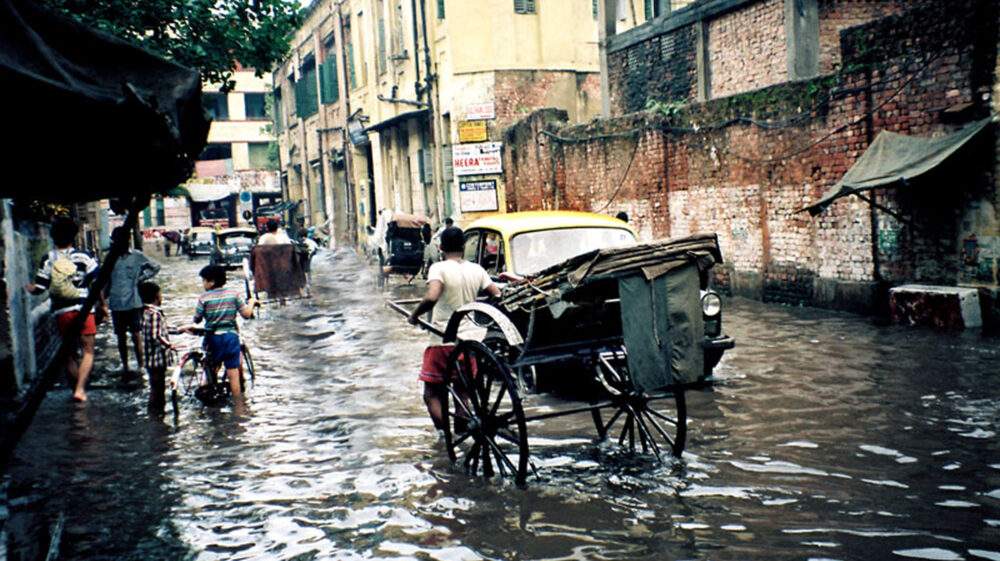
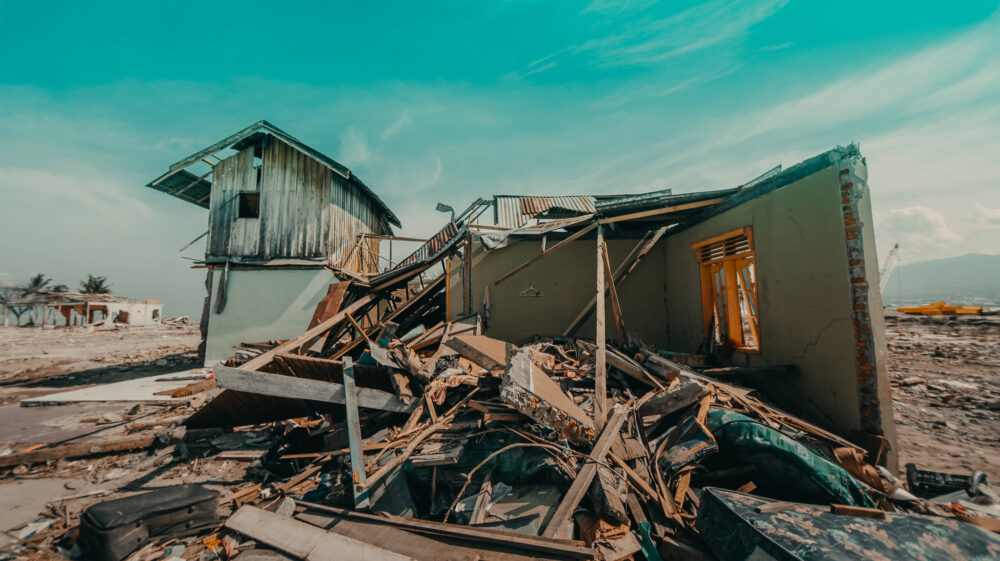
Loss and damage is already happening, trapping people in poverty and threatening their human rights. By 2030, the economic costs in developing countries are expected to reach $200–580 billion. Yet eight years after the creation of the Warsaw International Mechanism on Loss and Damage, affected communities are still getting only minimal help, mainly as post-disaster humanitarian aid.
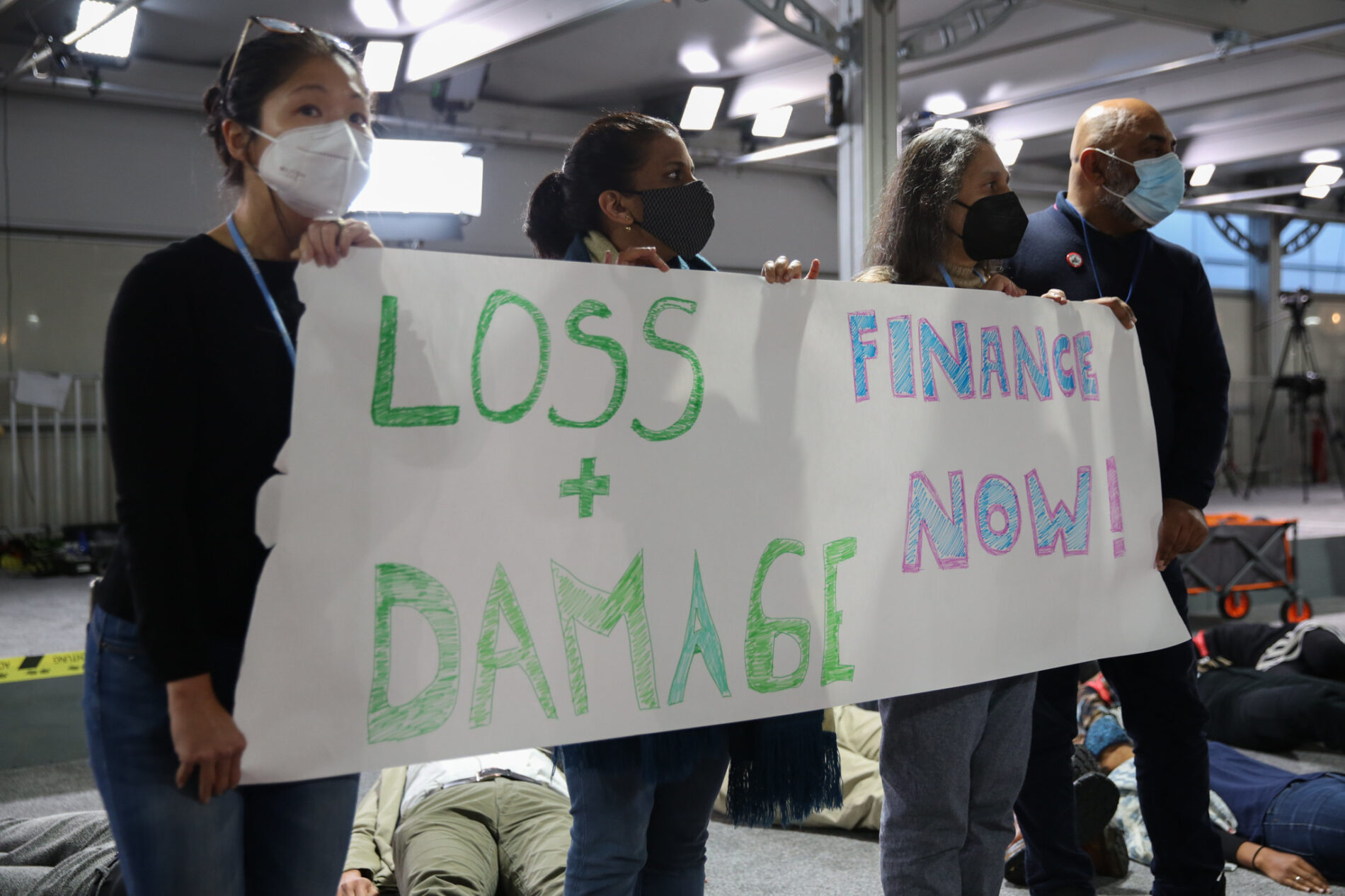
Developing country negotiators and activists saw Cop26 as a make-or-break point for loss and damage. They pushed hard for a dedicated fund, but it was ultimately excluded from the negotiated outcome. Instead, the “Glasgow Dialogue” was established to explore ways to fund loss and damage.
Civil society representatives demand finance for loss and damage at COP26.
Photo: “UNFCCC_COP26_13Nov21_CivilSocietyAction_KiaraWorth-65” by UNclimatechange, CC BY-NC-SA 2.0
The process will run through 2024, so those in urgent need may still not get any help for several years. Yet this is the first time the need for dedicated loss and damage finance has been recognized in a Cop decision. It is important to seize this opportunity.
It is important to seize this opportunity to get dedicated support for people on the front lines of climate impacts, urgently and based on need.
In a recent briefing paper, my colleagues and I laid out principles for financing loss and damage that could help guide the upcoming discussions:
Tangible progress on loss and damage finance is an urgent humanitarian priority. It is also essential to safeguard the perceived legitimacy of the negotiations and protect vulnerable countries’ development gains. By following these principles, climate negotiators can break the stalemate on loss and damage and provide much-needed support to the people on the front lines of climate change.
Zoha Shawoo is an associate scientist at Stockholm Environment Institute.
Project / This project aimed to provide options for the design of a fund for the Executive Committee of the Warsaw International Mechanism under the UNFCCC.
Perspective / The concept of loss and damage is gaining traction in discussions. This shift marks a turning point for how to think about climate finance and climate justice.
Perspective / SEI's Zoha Shawoo outlines three key opportunities for climate finance negotiators at COP26 to start grappling with the debt crisis of developing countries.
Press / Loss and damage support for countries experiencing catastrophic effects of climate change has stalled for eight years. This SEI analysis charts a way forward.