Photo: Deepak kumar / Unsplash
The impacts of and solutions to environmental change are never gender-neutral. SEI’s work explores the gender dimensions of vulnerability, and opportunities for women to play a greater role in shaping sustainable development.
Adaptation to climate change is a key area of SEI's research. In particular, we focus on adaptation policy and finance under the UN Framework Convention on Climate Change, vulnerability assessments, capacity building and community-based adaptation.
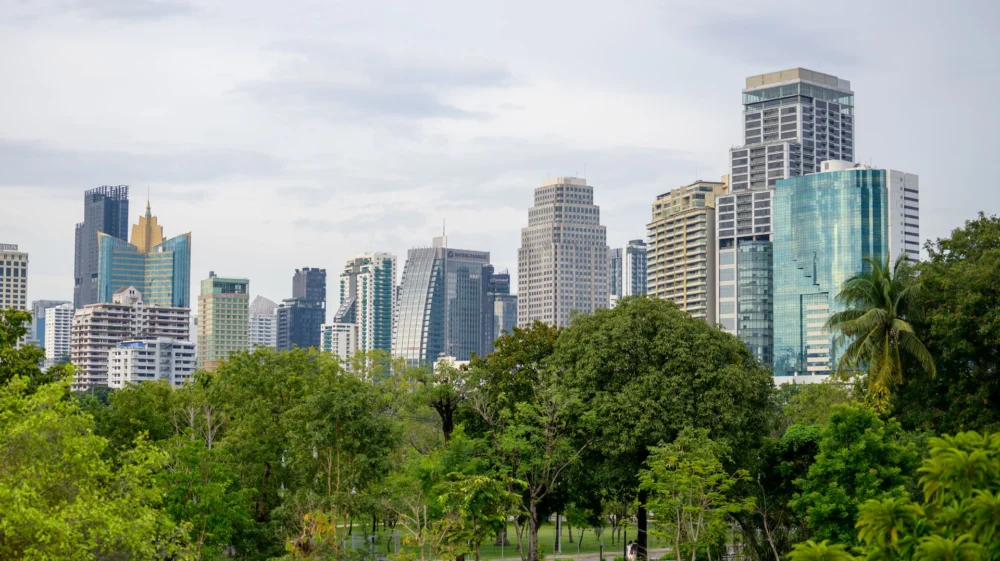
Feature / At the Bangkok Climate Action Week 2026, SEI Asia will showcase research and build pathways for climate action through science, dialogue, and engagement.
Technical "solutions" for human health or the environment introduced through development interventions, such as clean cookstoves, often fail to take hold because people never truly embrace them. SEI explores individual and household behaviour to better understand how and why people take up new technologies.
Past event / This dialogue explored the challenges and opportunities of international aid to women’s organizations, with insights from Elisabeth Olivius and experts.
Our research recognizes that disaster risk and development are closely linked: it is development processes that largely determine who and what is exposed to risk as well how much, and how effectively they can respond. SEI works to integrate disaster risk reduction with equitable, sustainable and resilient development.
Journal article / This study explores at risks in informal settlements from hazards and inequalities, highlighting the potential of nature-based solutions for equitable planning.
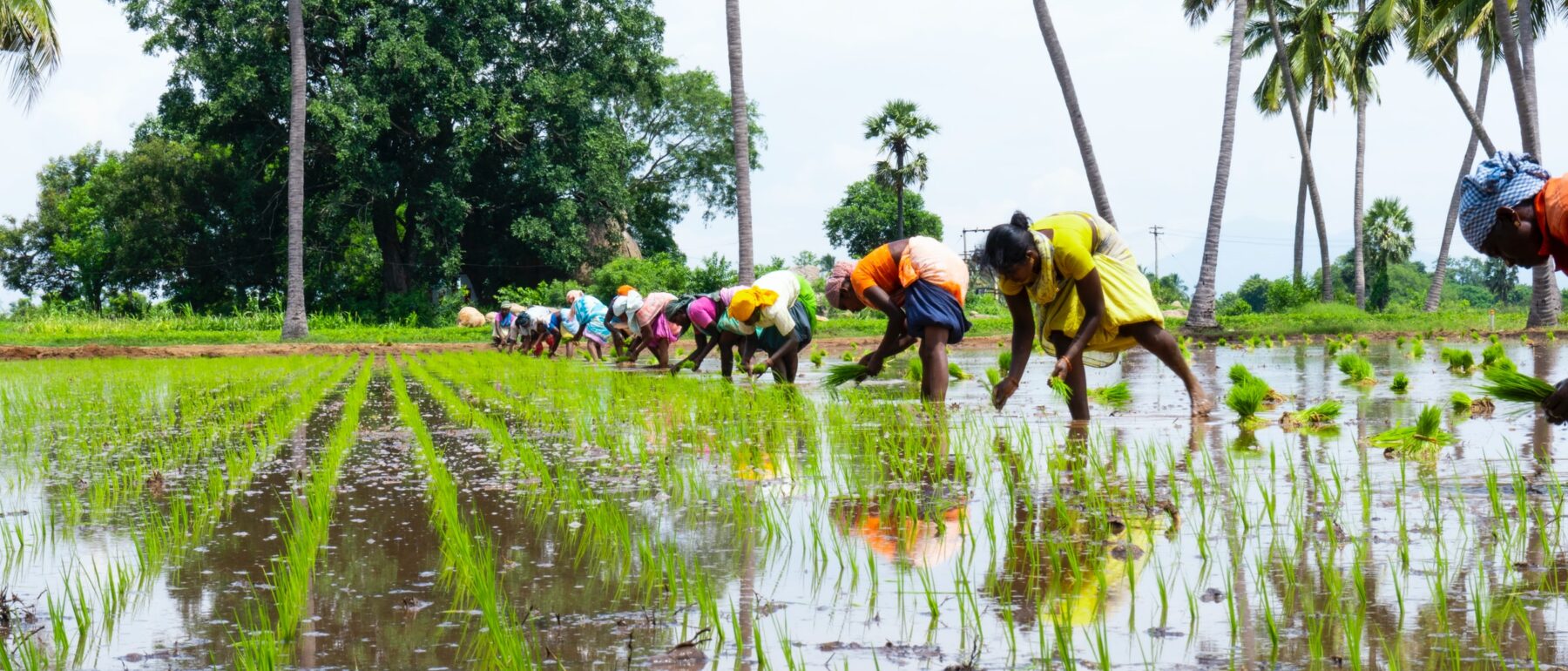
How can we meet the nutritional needs and expectations of a growing world population? And how do we do it without compromising long-term sustainability? SEI research explores the transition to sustainable food and agricultural systems.
Perspective / This piece looks at the gap between policy labels and lived reality when livelihood practices are branded as nature-based solutions.
Around 2.4 billion people use biomass fuels – wood, charcoal and animal dung – for their domestic energy needs. These are typically burned in inefficient stoves or on open fires, with serious consequences for health and the environment. SEI identifies and designs actions to help households transition to cleaner technologies and energy sources.
Perspective / By reducing cooking time and fuel collection burdens, energy-efficient wood-burning stoves and biogas have empowered women.
Sustainable development has important consequences for lives and livelihoods. SEI research explores the conditions that support broad-based participation in development processes, particularly by disadvantaged, vulnerable and marginalized groups.
Journal article / Eight UK organizations who run volunteer biological recording schemes gathered to evaluate their engagement and activities with underrepresented groups.
Tackling climate change and pollution demands a rapid shift to renewable sources of energy. Our research, analysis and policy work looks at opportunities for driving the necessary transition to clean energy.
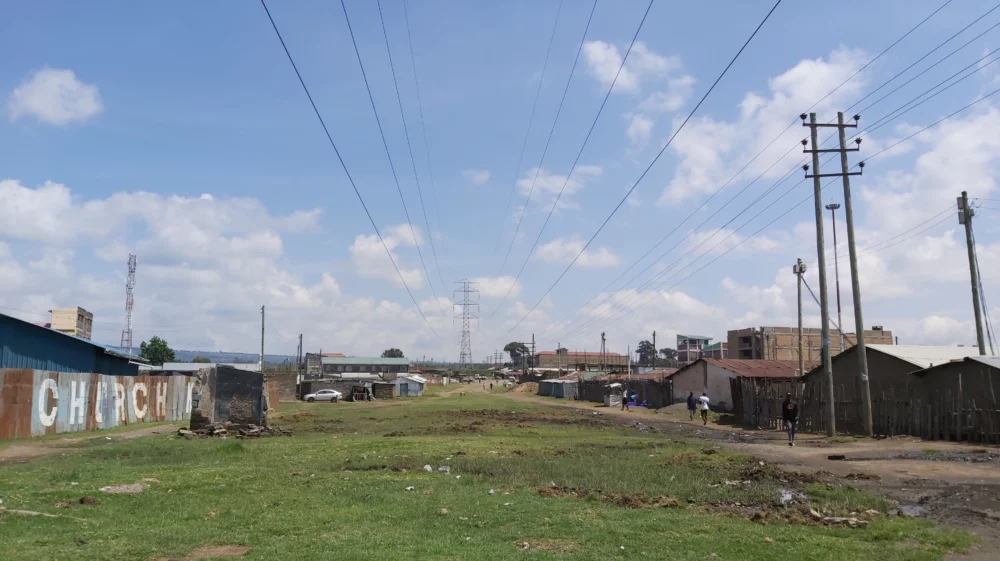
Media coverage / In a Daily Nation Opinion, SEI Researcher Cassilde Muhoza explains why Kenya’s expansion of renewable energy has not automatically translated into lower tariffs
Building on a long legacy of pioneering work, SEI explores ways to provide equitable, universal access to hygiene and sanitation, with a focus on systems that offer multiple benefits in terms of health, environmental sustainability, livelihoods and food security.
Journal article / This study shows how climate adaptation planning for sanitation in Nairobi reinforces inequality by favouring sewer systems over equitable solutions.