Photo: CHUTTERSNAP / Unsplash
Transformations in resource use, supply chains, consumption and production, individual behaviour and innovation will all be needed if we are to prosper and at the same time move toward more equitable and sustainable economies. SEI provides tools and knowledge to help bring about change.
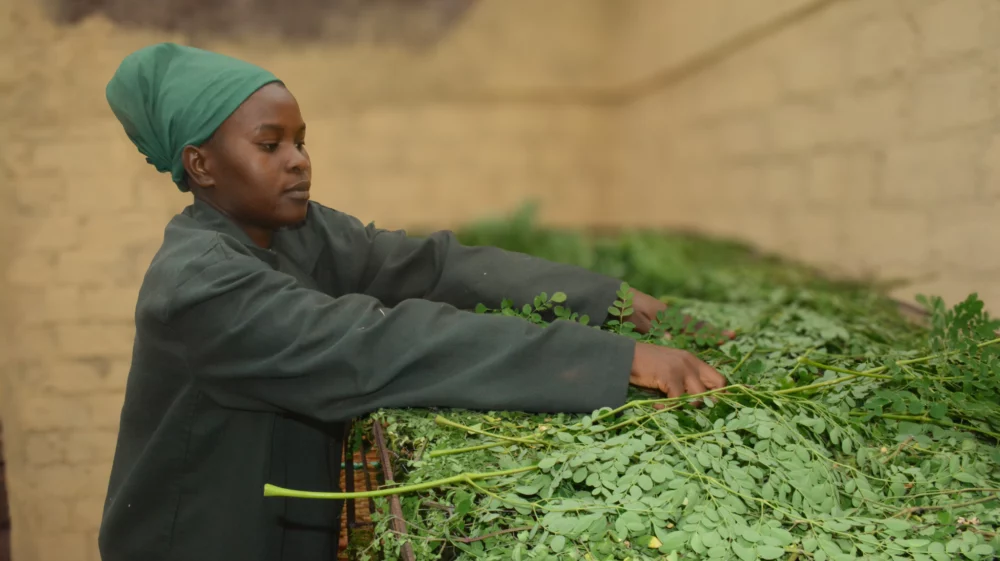
Revolutionizing the use of biomass is one of the most promising pathways to more sustainable production and consumption. SEI research explores the many facets of developing knowledge-based bioeconomies, from growing biomass to the governance of science, technology and innovation.
Event on 19 October – 30 October in Yerevan / Join SEI at CBD COP17 in Armenia where our research will help advance global biodiversity action and sustainable development.
Media advisory / SEI invites journalists to a media briefing where its experts will share their perspectives on key topics ahead of the UN Biodiversity Conference (COP17).
Other publication / This is the third in a series of biennial status reports tracking progress in the region.
Businesses have a pivotal role to play in sustainable development, and are increasingly showing leadership in this field. SEI looks at how to promote and support this role through policy and knowledge sharing, as well as partnering directly with businesses to explore more sustainable pathways.
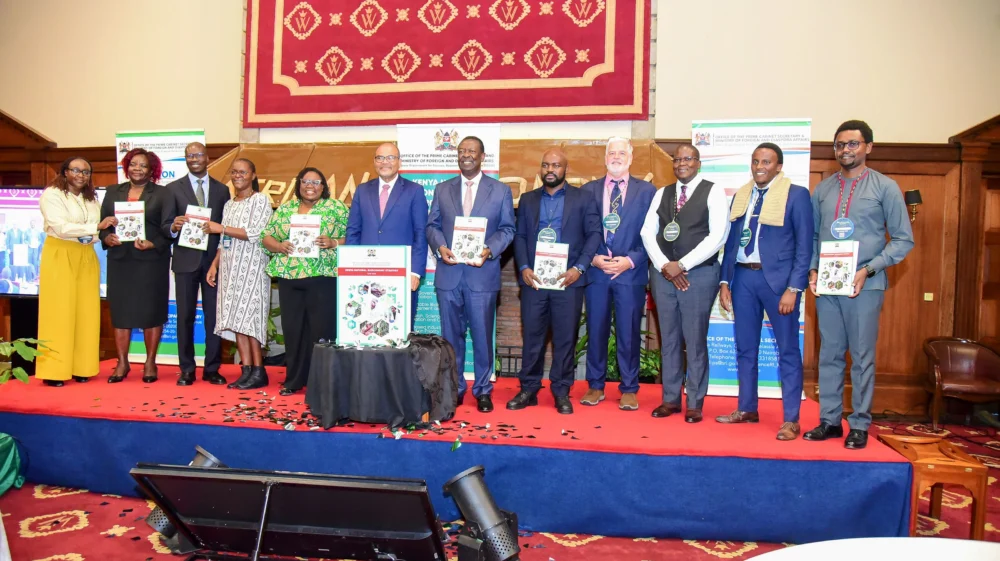
Feature / Kenya has launched its first National Bioeconomy Strategy, becoming one of a small number of African countries with a dedicated national bioeconomy strategy.
Perspective / This article offers lessons from Labuan Bajo, Indonesia, on turning circular economy policy into local action.
Other publication / This brief captures outcomes of a high-level meeting on bioeconomy convened by SEI and NatureFinance.
Our research focuses on the effectiveness, efficiency and fairness of the international climate finance regime, but also looks beyond it, at how the global financial system at large either supports or undermines the societal transitions needed to achieve sustainable development.
Journal article / This research maps evidence on how physical and transition climate risks affect real estate valuations, drawing on 130 academic and grey literature sources.
Technological innovation can play a central role in transforming society for sustainable outcomes. SEI examines the conditions that enable new, green technologies to flourish.
Perspective / A small group of Asian philanthropists is funding the risky climate solutions others will not, and SEI can learn from how they work.
Other publication / This report aims to explain what factors are influencing the viability of different technology options.
Feature / Resilient Coasts – Caribbean Sea has officially been endorsed as a Decade Action under the UN Decade of Ocean Science for Sustainable Development.
Today’s global economy is characterized by often long, complex supply chains that bring commodities, goods and services to consumers, and economic benefits to producers. Applying innovative tools and analytical approaches, SEI explores the sustainability implications and potentials of global supply chains and broader consumption-to-production systems.
Event on 19 October – 30 October in Yerevan / Join SEI at CBD COP17 in Armenia where our research will help advance global biodiversity action and sustainable development.
Past event / Explore how GEIC and ENCORE can help decision-makers understand global supply chains and assess environmental, security and other risks.
Media advisory / SEI invites journalists to a media briefing where its experts will share their perspectives on key topics ahead of the UN Biodiversity Conference (COP17).
How would our lives look in a sustainable future? How can we measure and mitigate the impacts of our consumption? How can individuals and communities contribute to broader societal transitions? SEI research develops tools and knowledge to support more sustainable consumption patterns and lifestyles.
Journal article / This article maps consumer carbon footprints by urban density in Europe, revealing what drives the changes.
Past event / SEI Asia's Cynthia McDougall will join an ESCAP panel on climate change, care work and futures at the APFN conference in Bangkok.
Past event / Join SEI experts for the annual Swedish political forum in Visby, as they share their insights on security, AI, climate, energy, oceans and industry transition.
Past event / Join experts to explore how electric mobility can support climate action while making transport fair for countries, regions and communities.
Press release / Mapping the footprint of UK supply chains reveals international impacts on water stress, deforestation-related carbon emissions and wildlife extinction risks.