Deforestation and corruption are among the problems Indonesia faces as its coal mining sector expands.
Over the last decade, Indonesian coal production has risen dramatically. The country is now one of the world’s largest exporters of coal, and the largest exporter of steam coal.
This expansion comes at a time of transition for the international coal industry. Renewable energy costs are becoming competitive with coal-based electricity, the international community is ramping up ambition to tackle climate change, and financial institutions (especially international banks and pension funds) are showing a weakening appetite for coal assets.
Within Indonesia, coal’s expansion come with a raft of problems. Here are five of them, as detailed in a new SEI working paper that explores the deep intertwining of coal mining within Indonesia’s political landscape.
Photo: May Thazin Aung/SEI
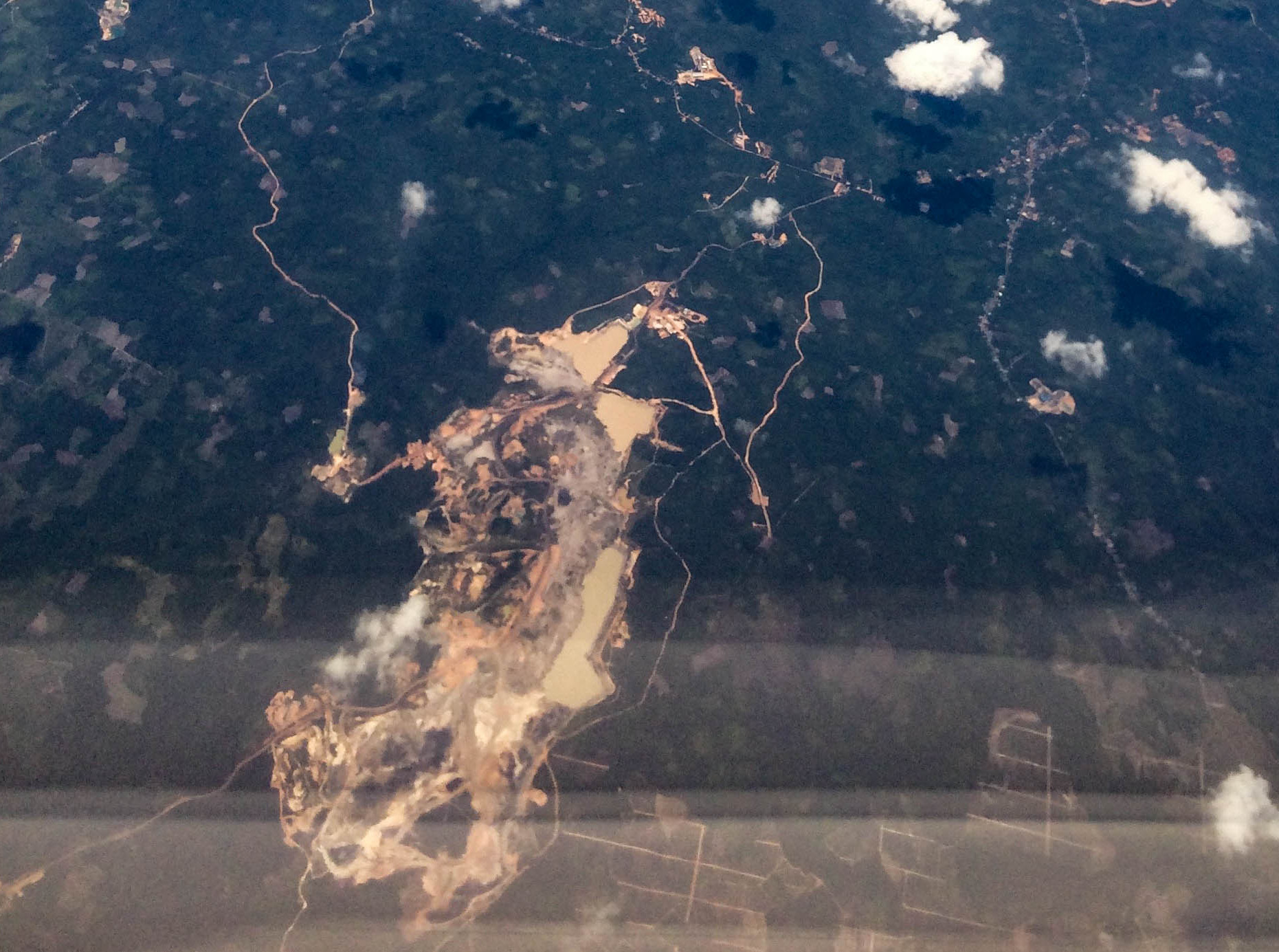
Mining permits cover roughly 6.3 million hectares of Conservation Forest and Protected Forest areas, despite laws against such activities, according to Indonesia’s Corruption Eradication Commission. This situation could worsen with the development of a new Russian-financed railway that will open up new areas of Kalimantan for coal and palm oil activities.
Photo: “Dayak Mothers” by UN Women Asia and the Pacific, CC BY-NC-ND 2.0
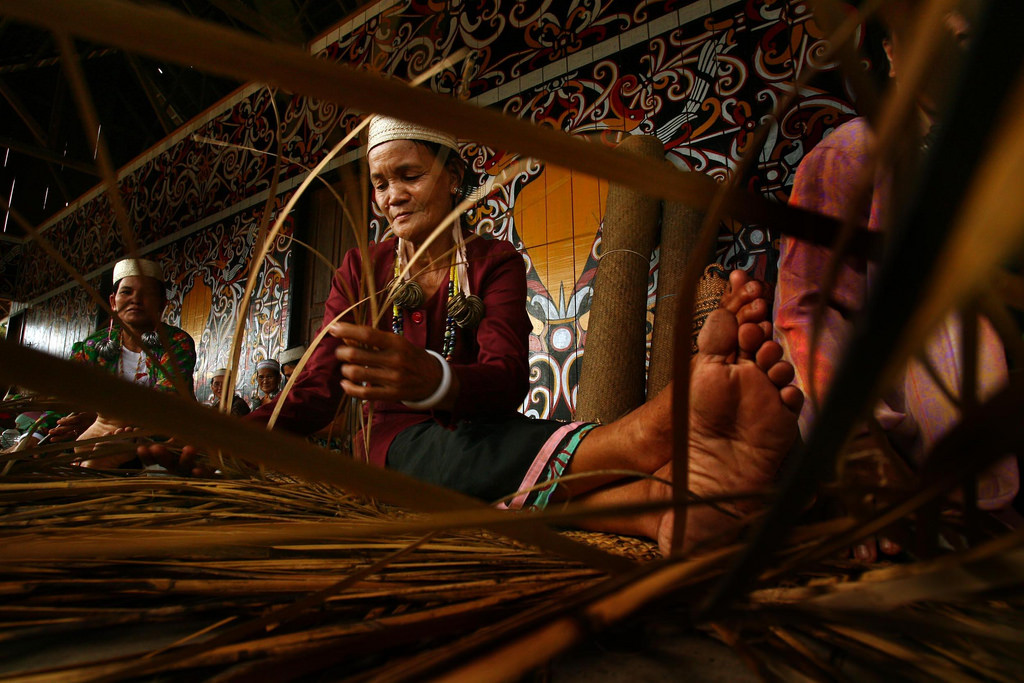
Mining concessions are not supposed to be issued inside residential areas, but district regents (bupatis) nonetheless have issued such permits, sometimes displacing residents. In one case, an entire village was allegedly moved for one mine; in another, local Dayak people in Kalimantan claimed to have lost community forests and other land to mining.
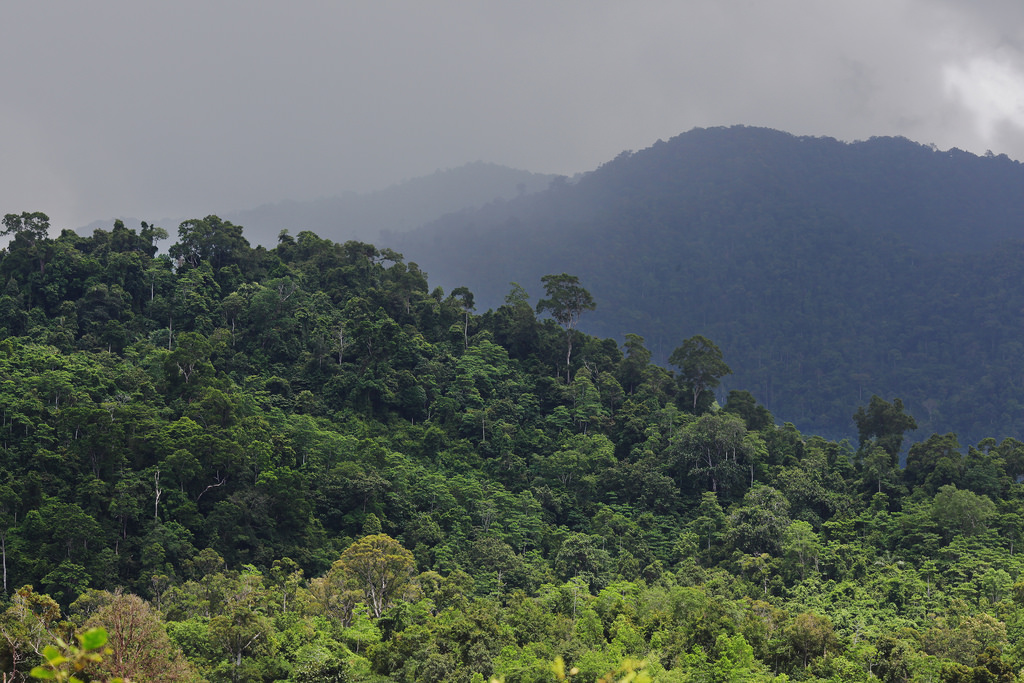
Aceh province in northern Indonesia contains the largest single forested area in south east Asia.
Photo: “Ulu Masen forest, Aceh, Indonesia” by DFID – UK Department for International Development, CC BY-NC-ND 2.0
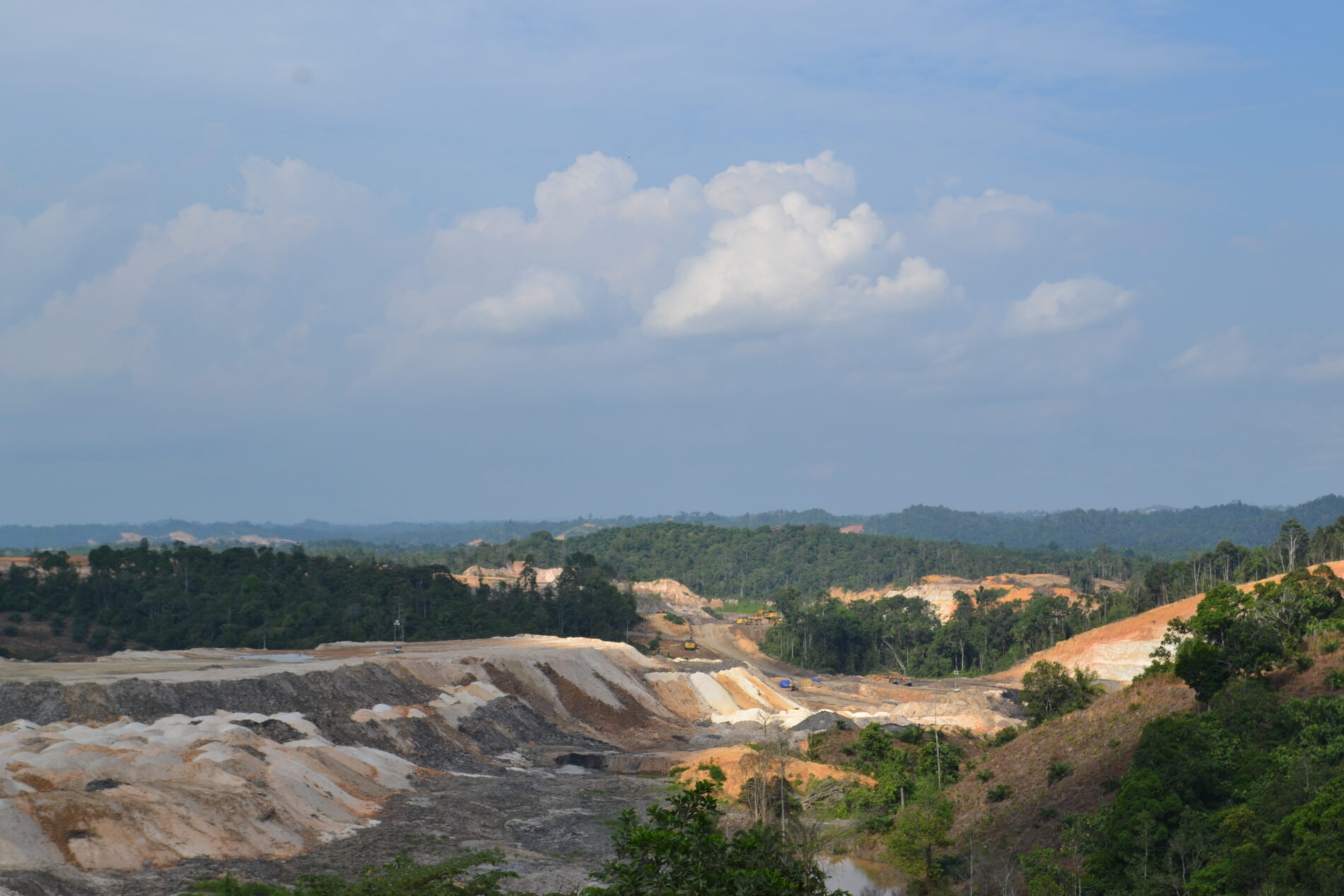
Indonesia has seen a proliferation of illegal mining, both outside permitted areas and with inactive permits. Such mining accounts for as much as 80 million tonnes per year, according to some estimates.
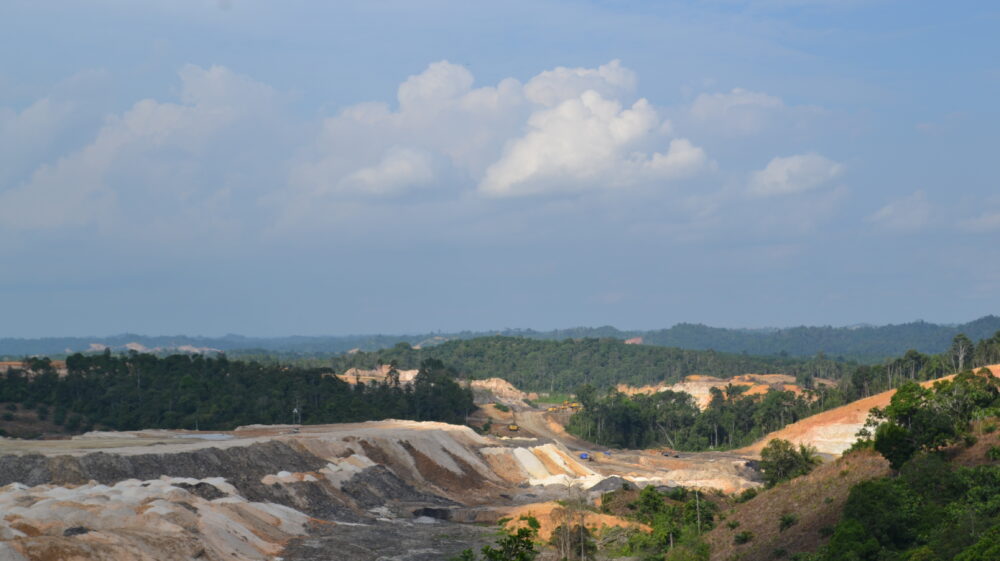
Open cut mining, Indonesia.
Credit: May Thazin Aung / SEI
More than 20 people – mostly children – have drowned in abandoned mining pits in East Kalimantan. Though companies are required to perform mine reclamation, implementation and enforcement has been weak. In 2016, the government established a commission in East Kalimantan to review reclamation implementation and make recommendations to the Province.
Photo: “Rupiah” by Adam Cohn, CC BY-ND 2.0
Corruption is rampant in the coal mining sector, with companies paying government officials to use unauthorized waterways for transport and obtain mining permits.
The Indonesian government has tried to address these problems through a number of policy and regulatory changes, including a policy to improve land permitting regulation and a program to screen mining licenses for compliance. But there are no clear signs that coal production will stop expanding anytime soon.
SEI working paper / This paper explores the complex dynamics that could affect Indonesia’s future coal production and export levels.
SEI working paper / Analysis of the political factors that shape subsidies to coal extraction in Colombia, and why and how those subsidies have been promoted.
Initiative / This SEI initiative creates a platform for high-quality, timely and policy-relevant research and communications on various facets of fossil fuel development.