The first European Climate Risk Assessment caused shockwaves in 2024 among policymakers and the media by exposing huge vulnerabilities in Europe’s climate preparedness. SEI played an integral role in producing the report, commissioned by the European Environment Agency and designed to inform the priorities of the new EU Commission.
The European Climate Risk Assessment (EUCRA), published in April 2024, is the first comprehensive assessment of major climate risks facing the continent. The report delivers a clear and unequivocal message: climate risks facing Europe have reached a critical level and require urgent, decisive action from European policymakers.
SEI researchers played an integral role in the production of the report, designing its methodological framework and co-authoring several chapters.
Mandated by the European Commission and published by the European Environment Agency (EEA), the report has become the agency’s most impactful scientific report to date. It is already influencing the new Commission’s priorities for climate adaptation and reshaping how the issue is framed and designed at national levels.
In 2021, the EU Adaptation Strategy laid out the need for an updated climate risk assessment. Yet as 2022 unfolded into the hottest summer on record, and Europe experienced its worst droughts in 500 years and most devastating wildfires, the urgent need for such an assessment came into sharp focus.
Calls followed from the European Parliament for the EU Commission to produce the EUCRA as soon as possible. Tasked with managing the production of the report, the EU Commission asked the European Environment Agency to mobilize the European Topic Centre for Climate Change and Adaptation (ETC-CA) – a consortium of leading European research institutions – to design and deliver the EUCRA over the course of a year.
SEI was one of the key partners in conceptualizing, managing and writing the report. Its four main objectives were to identify adaptation policy priorities for the new Commission; inform EU policy in climate-sensitive sectors; support the EU in prioritizing adaptation-related investments; and provide a reference for national and regional climate risk assessments.
The report identified 36 major climate risks for Europe, drawing on both quantitative and qualitative lines of evidence, climate data, scenarios and impact projections, socio-economic data and scenarios, consultations with experts and stakeholder groups.
The report was published on 11 March 2024 and generated over 3055 online news stories in its first week, including in Financial Times, The Guardian, Reuters, Al-Jazeera, Politico, Euronews, AP News and PBS. The EEA’s publication page received 33 851 unique page views during the first week, and an additional 40 000 views in the following six months, making it the EEA’s most impactful report to date.
The report was produced at a time when EU policymakers had to make tough decisions on security in Europe, often coming at the expense of the EU’s much flagged international climate leadership and green agenda. The authors stressed that the EU must maintain its focus on climate action despite geopolitical challenges and pushback from some industries affected by Green Deal legislation. They argued that European policymakers have a responsibility to fulfil their climate commitments and avoid the tremendous risks posed by inaction.
The report’s patron, the EU Commission, deemed the EUCRA successful in meeting all four objectives and recognized the scale of its policy impact. Climate risks have since been integrated into key policy discussions across the Commission, with some member states aligning their methodological approaches and using the report’s findings in national political discussions.
On the heels of the EUCRA, the Commission published the communication Managing Climate Risks – Protecting People and Prosperity, which outlines actions at EU and member state levels to strengthen resilience, and commits to work with other EU institutions, member states and other stakeholders to act on the report’s findings. The EUCRA also informed discussions on climate risks in the European Parliament, Council Working Parties, the European Economic and Social Committee, the European Investment Bank, European Central Banks and the European Food Safety Authority.
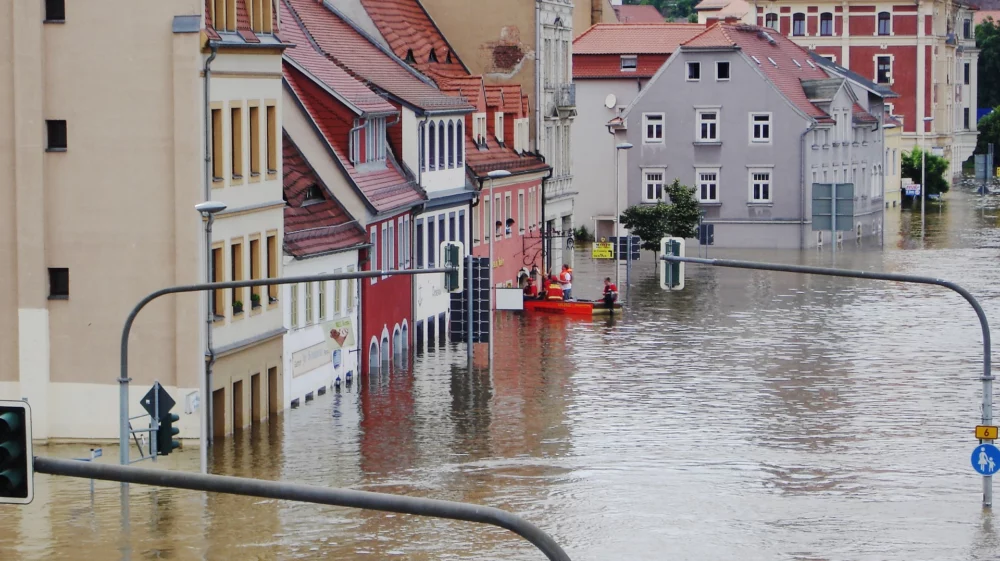
The European Council and Committee of the Regions welcomed the report and called on the Commission to produce regular climate risk assessments, a sentiment echoed by the European Parliament in its September 2024 resolution on the devastating floods in Central and Eastern Europe.
The EUCRA has also delivered impact at the Nordic level. SEI presented findings from research on climate risks to global supply chains to the Nordic Council of Ministers on 9 May 2024. This prompted Nordic climate and environment ministers to launch a project together to develop public-private partnerships to strengthen supply chain resilience.
Stakeholder feedback revealed that the report’s broader impact included influencing NATO’s Civil Protection Group’s efforts on supply chain resilience.
SEI and partners are currently in early discussions with the EEA on developing a second European climate risk assessment.
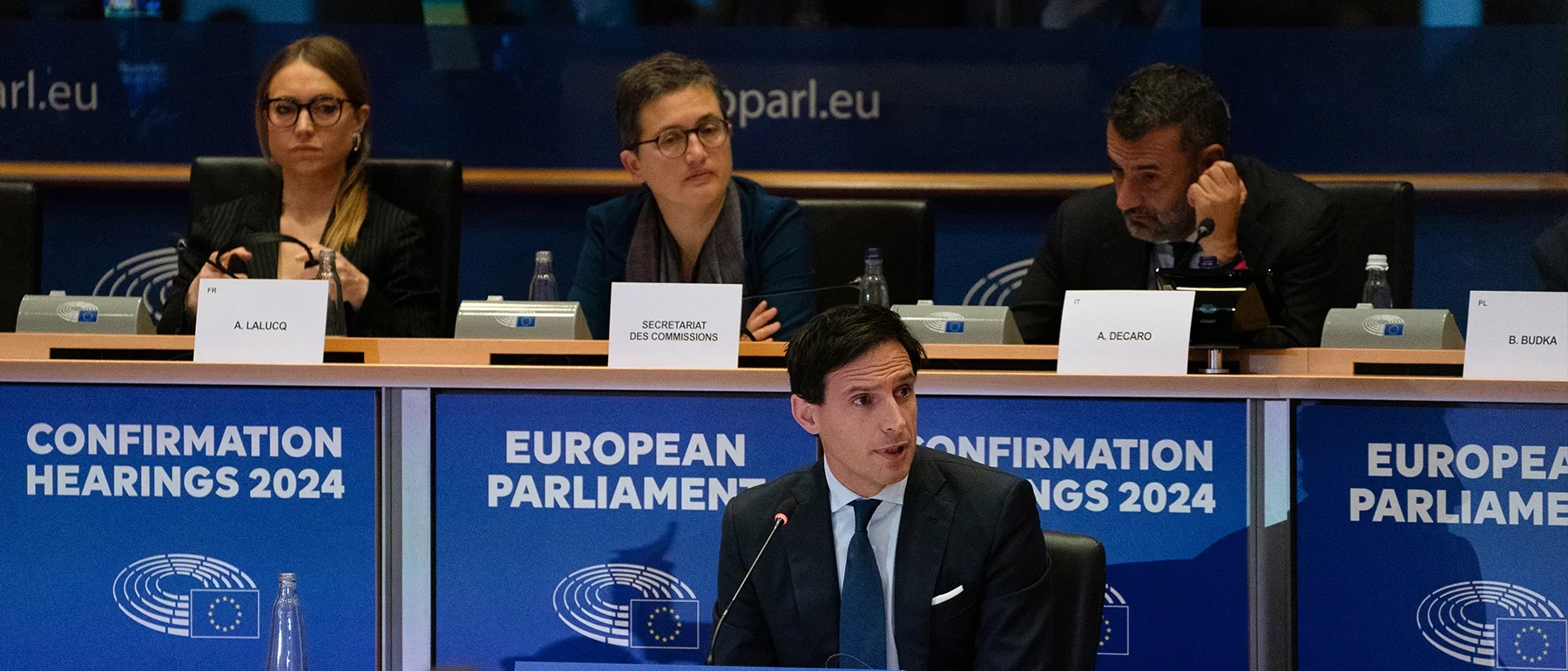
We will need to improve the climate resilience of our societies and our economies and therefore I will drive forward a European climate adaptation plan … and build on the European Climate Risk Assessment published earlier this year. It is about saving lives and saving livelihoods.
Wopke Hoekstra, DG CLIMA Commissioner-designate
Other publication / SEI researchers have contributed to the first European Climate Risk Assessment (EUCRA).
Feature / Mikaelsson discusses the first-of-its-kind assessment, emphasizing the urgency of adapting policies to mitigate climate risks.
Press release / Berget AI releases an open-source method for calculating carbon emissions of every individual AI request, developed with SEI, WattTime and Klimatkollen.