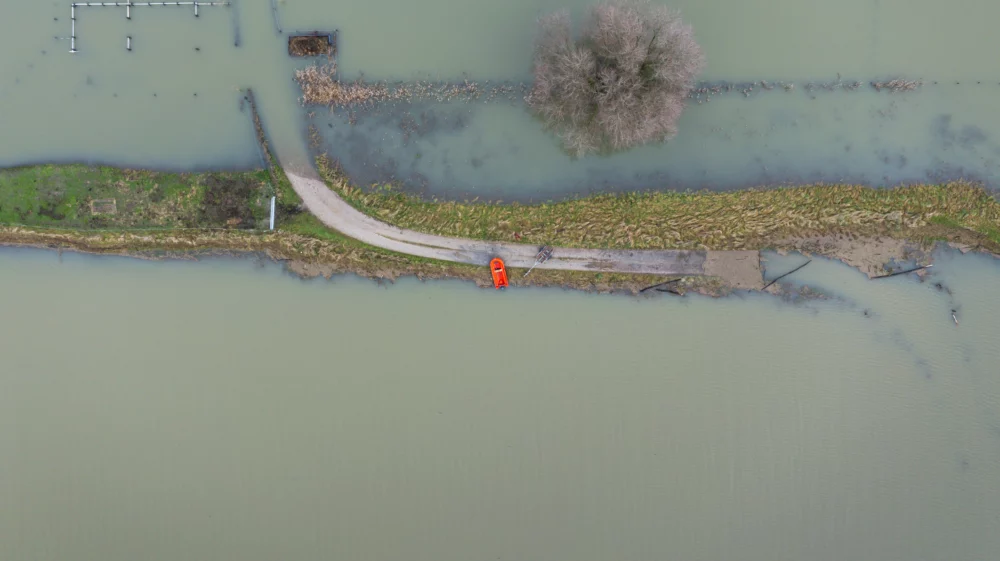
The EU-funded Horizon Europe project, DIRECTED, seeks to reduce vulnerability to extreme weather events, and to foster disaster-resilient societies. The project aims to design a new system that integrates climate risk-assessment tools, disaster-warning systems and disaster-communication approaches. The goal is to help emergency agencies better prepare for and respond to such crises.
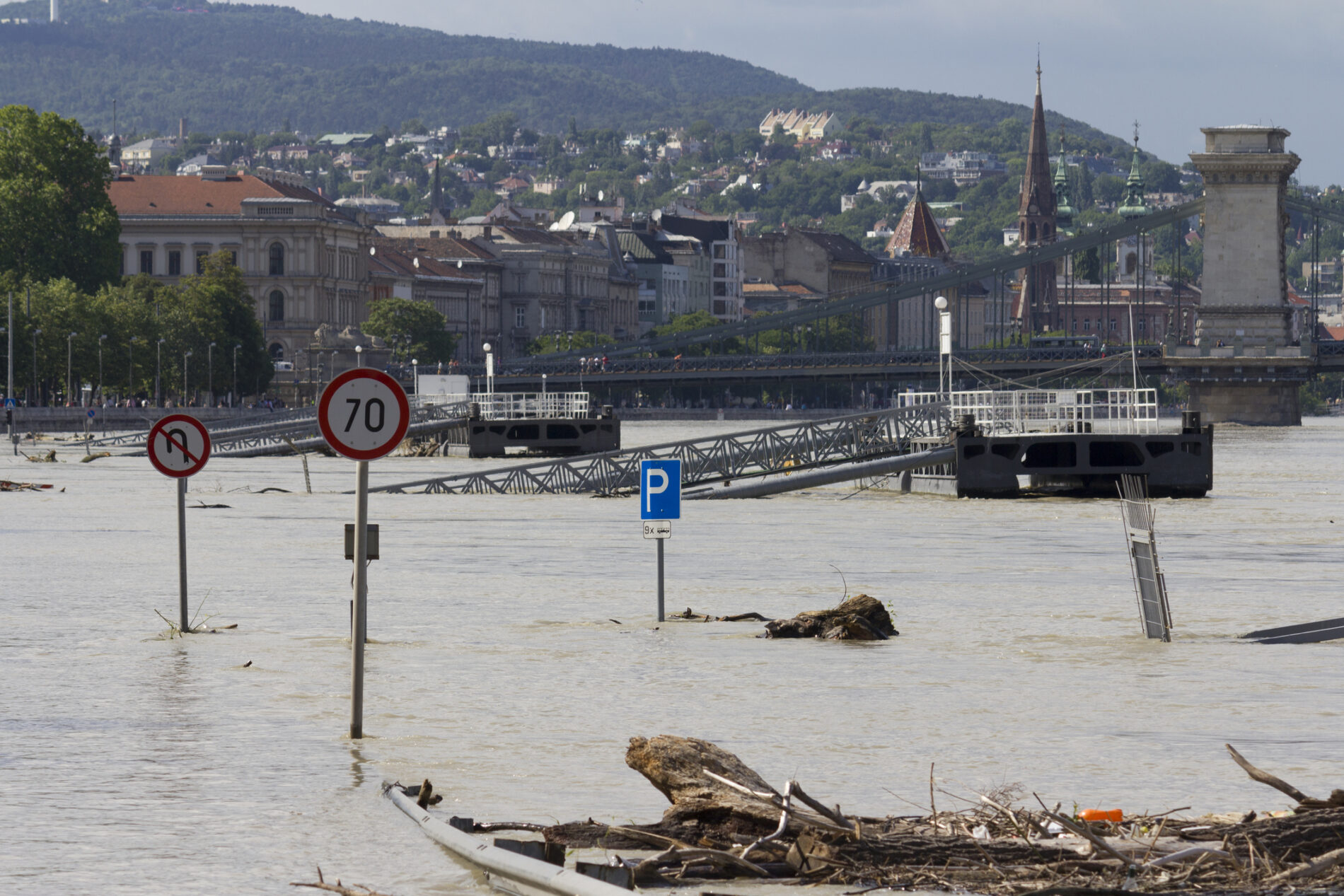
The flooded Danube River in Budapest. Photo: sndr / Getty Images.
Photo: sndr / Getty Images
The DIRECTED project provides an opportunity to advance several signature areas of SEI research regarding co-production, climate services and knowledge management.
It will advance the Tandem framework and related guidance to support the application of Risk-Tandem.
Feature / Responding to escalating climate impacts and adaptation needs, SEI has updated its Tandem guidance to improve collaborative climate decisions and actions.
Feature / The SEI Initiative on Climate Services generated new insights about co-design and co-production proocesses to integrate climate science into adaptation policy.
Furthermore, it will advance the work started in PLACARD on transforming knowledge management using taxonomies.
Project / This project will establish a comprehensive coordination and knowledge exchange platform for climate change adaptation and disaster risk reduction.
Other publication / This report suggests ways to improve knowledge management for the climate change adaptation and disaster risk reduction communities.
DIRECTED also connects to activities under the EU-funded MAIA project to leverage synergies between existing Horizon Europe initiatives.
Project / MAIA is an EU Horizon Europe project that seeks to expand the impact and uptake of European climate research.
DIRECTED will also develop and scale up the Connectivity Hub by linking to the Data Fabric architecture.
Journal article / This perspective argues for transdisciplinary approaches to foster interoperability of information for disaster risk and climate adaptation needs.
Journal article / This article outlines key capacities needed for locally led knowledge co-production processes to address disaster risk and climate change adaptation.
Journal article / This journal article outlines the Risk-Tandem Framework, which uses transdisciplinary knowledge co-production to help address the governance of climate risks.
Perspective / Serious games offer a way to help foster the trust that underpins needed collaboration on climate, environment and sustainable development issues.
Perspective / In this perspective, SEI's Janne Parviainen argues that the impacts of Storm Boris show why Europe must rethink its approach to addressing rising flood risks.
Tool / Tandem guidance is an interactive, online tool to help scientists and decision-makers collaborate to improve climate change adaptation planning and policies.
Tool / Tandem guidance is an interactive, online tool to help scientists and decision-makers collaborate to improve climate change adaptation planning and policies.