Decision-makers, practitioners and the public will all make different demands of biodiversity loss data; users cannot assume a single indicator will produce all the necessary information. Those looking to assess land use impacts on biodiversity must match their choice of indicator to the relevant temporal, spatial and ecological concerns of their analyses.
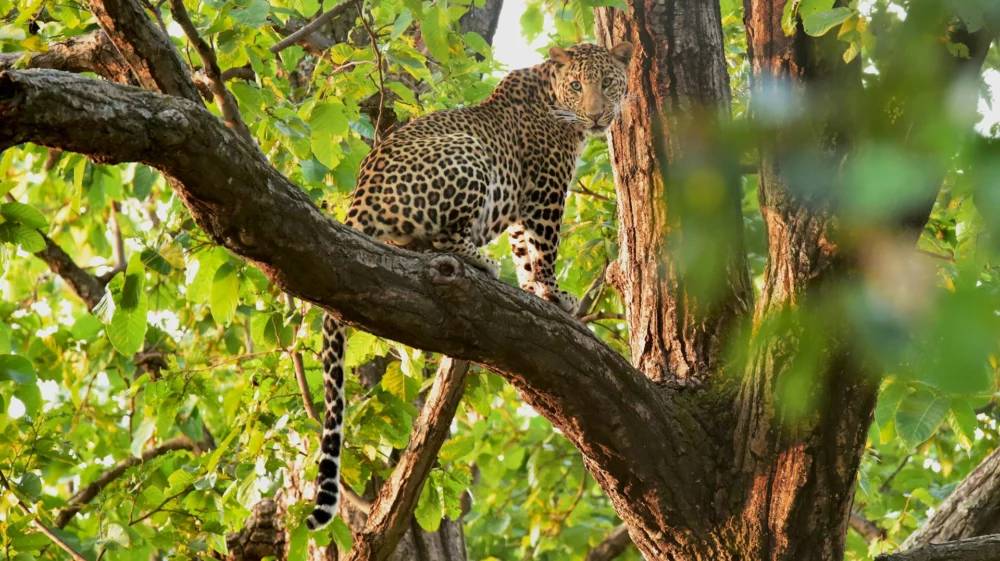
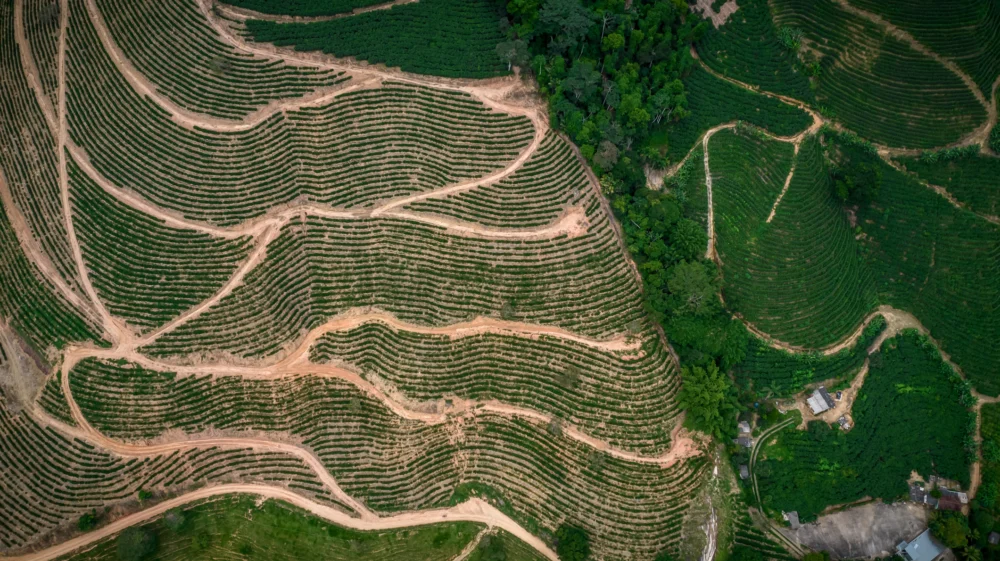
The Jalapão State Park is a protected area within the Brazilian Cerrado ecoregion.
Biodiversity indicators can offer a wealth of evidence to help address land use change impacts on biodiversity. To generate robust, evidence-based actions to tackle biodiversity loss it is important to understand the information that the indicators provide and to apply it appropriately to the analysis at hand.
In this paper, the authors used standardised input data to estimate the biodiversity impact of land use change driven by agriculture in the Brazilian Cerrado. They worked with three globally recognized indicators:
The authors found that, for the Cerrado, the Countryside Species-Area Relationship and Species Habitat Index indicators were the most useful for exploring historical questions about land use change impacts. However, attempts to understand impact risk hotspots and extinction mitigation could benefit more from approaches using the Species Threat Abatement and Restoration indicator.
Journal article / LIFE quantifies and maps the extinction risk impacts of land-cover changes, using data on over 30 000 vertebrate species.
Journal article / New legislation may present challenges for suppliers: Brazil's coffee sector faces few barriers to compliance, but other sectors may face significant hurdles.
Journal article / New mapping techniques indicate that deforestation related to rubber production is at least two to three times higher than previous estimates have suggested.