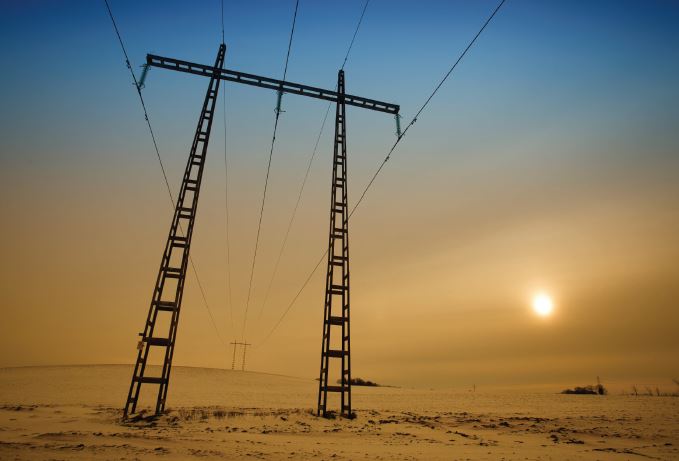
This study identifies drivers that can make the Swedish transmission grid fit to support a carbon-neutral Nordic power system, as well as barriers to doing so.
Photos: “Powerful sunny day” by Håkan Dahlström, CC BY 2.0
EU climate and energy policy aims to reduce CO2 emissions by 80% before 2050. To achieve this, the electricity sector will have to be 95–100% decarbonised. To allow further integration of renewable energy sources (RES), the transmission grid must be strengthened and expanded in Sweden, across the Nordic countries, and between the Nordic region and Europe.
While the study shows that Svenska Kraftnät, the Swedish transmission grid operator, is key for integrating renewable energy into Sweden’s grid, it appears that the most important drivers are indirect. For example, concern over climate change is a strong driver, which in turn demands development of the grid, while the impetus toward an integrated European market also drives grid development as a means to overcome bottlenecks that affect the energy market.
The study also identifies and analyses a range of other drivers, including various adminstrative instruments (in particular that which stipulates an obligation to connect all producers of power to the grid), Sweden’s bidding areas (i.e. electricity pricing zones), and the core values and planning practices of Svenska Kraftnät.
Barriers to development include issues in investment planning, and in the rules and attitudes related to the concession process. There are also conflicts between the performance of the national energy industry and health and environmental concerns, as well as around questions of land use.
The study concludes with summary and discussion of the results.
The research was carried out under the NORSTRAT project (Nordic Power Road Map 2050), funded by the Nordic Energy Research programme Sustainable Energy Systems 2050. The NORSTRAT project aims to build knowledge about options for a carbon neutral and integrated Nordic power system in the period to 2050.
Download the project report (PDF: 2.4MB)
Event on 19 October in Dublin / SEI's Francis X. Johnson joins a Global Bioeconomy Summit 2026 panel on how biofuels can accelerate a sustainable bioeconomy.
SEI working paper / This SEI working paper analyses the role that financial guarantees may play in supporting renewable energy provision in underserved humanitarian contexts.
SEI report / This report analyses the extent to which African policies and practice aid the value and trade of critical minerals for the continent's renewable energy future.