Tourism is important to the Andaman Coast and to Thailand as a whole, accounting for 6.4 per cent of Thailand’s GDP and 10.6 per cent of total employment. Consequently, damage from the 2004 Indian Ocean tsunami necessitated a strong and immediate response not only for humanitarian reasons but also economic ones. It was crucial to try to restore consumer confidence, tourist flows and livelihoods.
This work sought to try to analyse the commonalities and differences in recovery patterns in three tsunami-affected tourism destinations, and to explain the differences in destination vulnerability and their levels of resilience levels.
By identifying and understanding the factors that contribute to tourism destination vulnerability provides policy makers and community-based organizations building more robust and resilient destination communities responding to risks.
Download policy brief (pdf 389 kb)
Perspective / Conservationist policies could be more effective if they respected the spiritual beliefs that already guide forest use, preserve biodiversity and livelihoods.
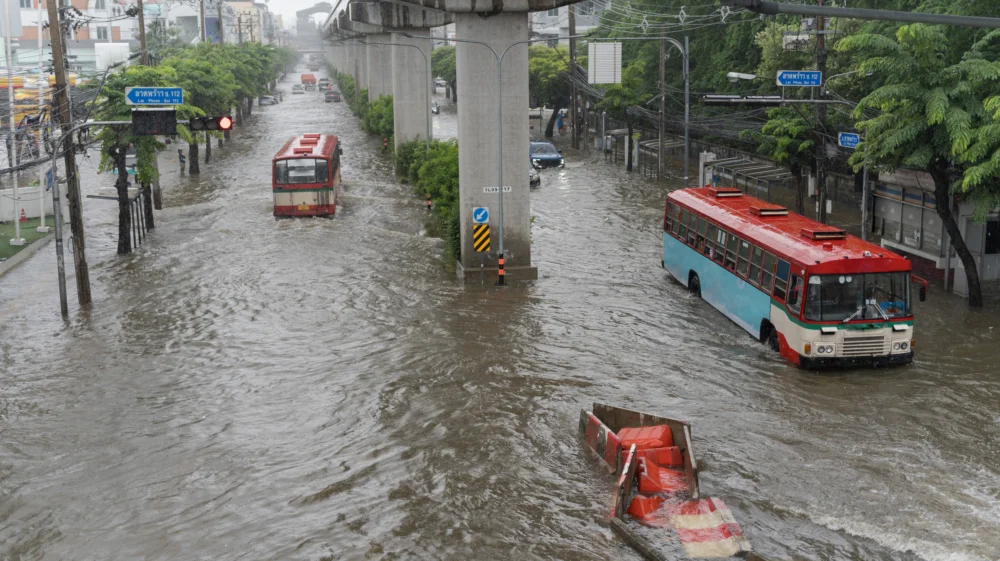
Perspective / Flooding in Bangkok in late September exposed a critical gap: forecasts identified the threat days in advance, warnings and preparedness did not translate fast.
Event on 08 December / In this fourth CS Co-labs discussion session we will explore the use of digital tools in different aspects of citizen science projects.