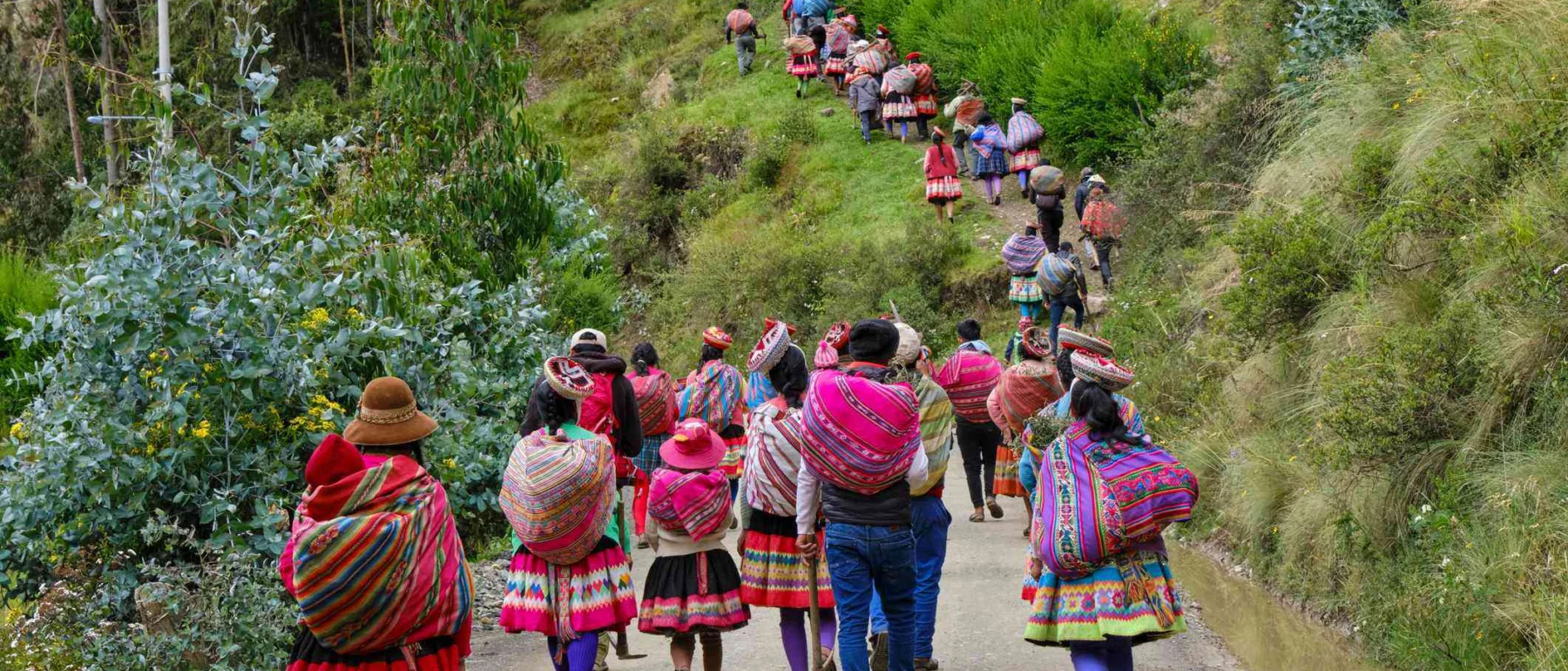
In observance of the International Day of the World’s Indigenous Peoples on 9 August, Alice Chartard reflects about the growing role of – and growing interest in – Indigenous Peoples’ knowledge to strengthen climate change adaptation.
Indigenous Peoples hold diverse knowledge, experience and perspectives rooted in long-standing relationships with their lands, waters and environments. Their knowledge is increasingly being considered in science and adaptation processes at national and global levels – for example, through National Adaptation Plans, the Intergovernmental Panel on Climate Change, the Intergovernmental Science-Policy Platform on Biodiversity and Ecosystem Services, and the Local Communities and Indigenous Peoples Platform of the UN Framework Convention on Climate Change.
Though there is still a long way to go to ensure that these processes engage meaningfully and equitably with Indigenous Peoples, there is also increasing recognition that adaptation efforts can be strengthened by engaging with diverse knowledge systems.
With this in mind, to observe the International Day of the World’s Indigenous Peoples (9 August), I outline five themes that have emerged from our work on weADAPT exploring the intersection Indigenous knowledge with climate change adaptation.
The knowledge of Indigenous Peoples is often regarded as information that can be documented, transferred or applied in other contexts. This does not reflect full understanding of such knowledge. Many examples featured on weADAPT show that Indigenous Peoples’ knowledge is embedded within governance systems, livelihoods, values and long-standing relationships with place. Understanding these wider systems is essential for meaningful adaptation.
Efforts to engage with Indigenous People and their knowledge are becoming increasingly common across climate adaptation and policy. Yet many contributors emphasize that inclusion alone is not enough. Meaningful engagement requires addressing power imbalances and ensuring that Indigenous People are partners in decision-making, not simply sources of knowledge.
Further reading:
Indigenous communities have adapted to environmental change for millennia and continue to lead adaptation through stewardship, biodiversity conservation and locally led action. However, accelerating climate change and ongoing pressures on land, livelihoods and rights are making it increasingly difficult to sustain these sources of resilience.
Further reading:
Recognition alone does not guarantee equitable outcomes. Adaptation efforts are most effective when recognition of Indigenous Peoples’ knowledge is accompanied by secure rights, meaningful representation and equitable access to resources.
Many of the most promising adaptation approaches create space for different ways of knowing and understanding environmental change. When Indigenous, local and scientific knowledge are brought into dialogue, they can provide complementary insights that strengthen adaptation planning and decision-making.
Further reading:
Those of us at weADAPT recognize that more can and should be done to amplify Indigenous voices and knowledge systems. To help address this issue, weADAPT is exploring the development of a new theme on “Diverse Knowledge Systems for Adaptation” to create a stronger space for learning, exchange and collaboration across different knowledge systems. We would love your insights into how this space can be made useful, inclusive and impactful. We are keen to hear from Indigenous Peoples’ organizations, and practitioners, researchers and knowledge holders interested in sharing content, providing feedback, or helping to co-create and shape this emerging area of work. Have ideas? Get in touch with us by writing to [email protected].
Tool / weADAPT is SEI's pioneering, user-led platform and network for climate change adaptation.
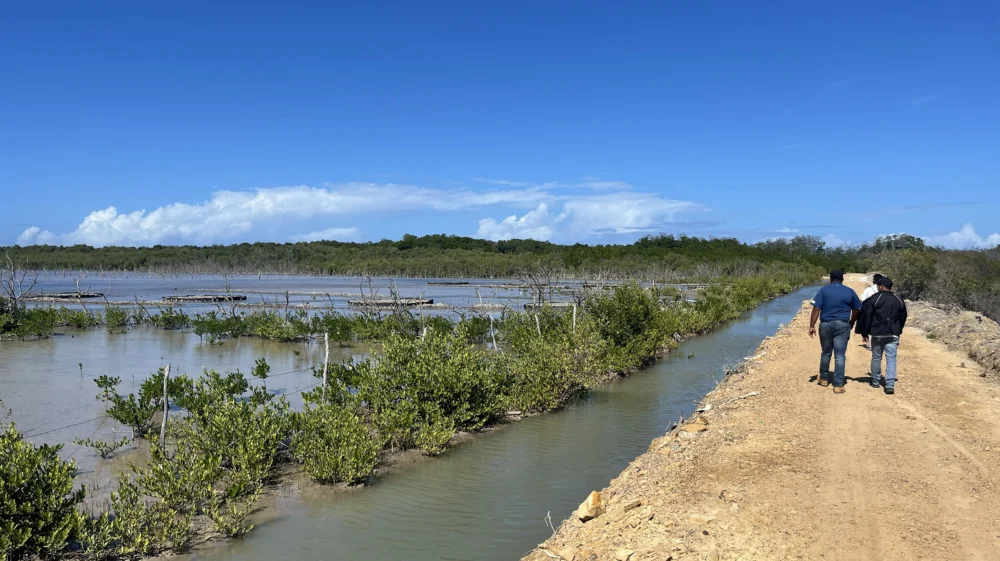
Feature / Mangroves are returning to Montecristi, where an SEI-led living lab is piloting a comprehensive restoration approach.
Feature / SEI US introduces a new research program focused on climate forecasting and capacity building.
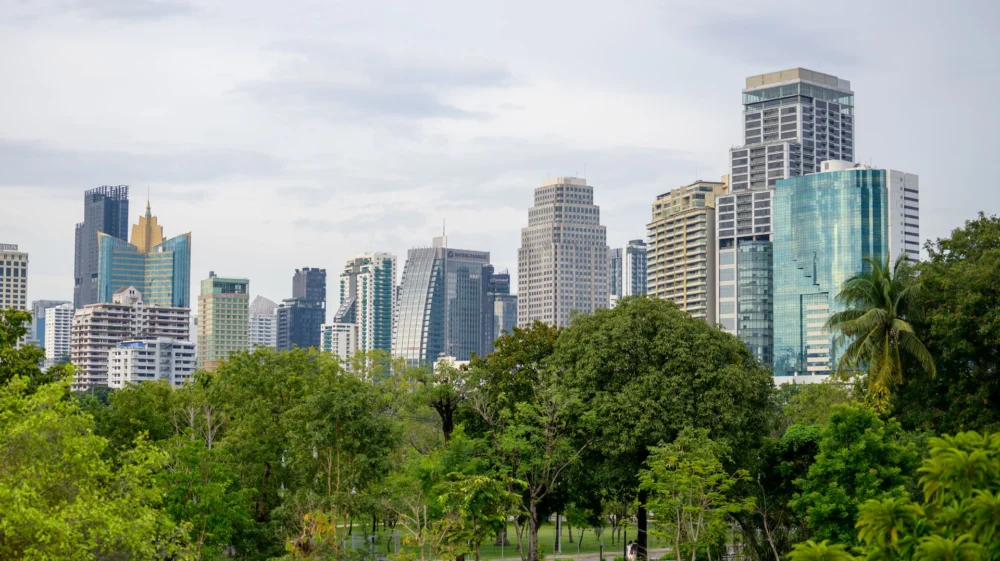
Feature / At the Bangkok Climate Action Week 2026, SEI Asia will showcase research and build pathways for climate action through science, dialogue, and engagement.