As this week’s heatwave reveals, the UK will adapt to climate change – but a question is how. Will it leave people to cope largely on their own with disruption to education, health and the economy? Or will the UK find ways to adapt strategically, using measures that help address the impacts of climate change along with many of the country’s other challenges.
The threat sounds eerily familiar: Some 10 000 people are likely to die, with the elderly and those with pre-existing conditions most at risk. Health care services are likely to struggle to cope. Schools and businesses will likely shut down with increasing frequency.
But this threat arises not from the prospect of another pandemic, but from heat stress driven by rising temperatures in the UK and worldwide as the result of global overheating.
The widespread disruptions from record heat in the UK this week – with 1000 schools closing, hospitals cancelling appointments, and the Met Office urging travel only for essential reasons – are a tepid curtain raiser. The future is expected to bring increasing flood damage (reaching as much as to £4.5 billion annually), soaring insurance costs (with some properties becoming uninsurable), and rising food prices. Acute climate hazards will cascade across critical services and infrastructure in unpredictable ways. No wonder the UK’s Climate Change Committee asserts that unchecked, these impacts will upend the UK’s “way of life”.
As the committee put it in the unprecedented adaptation report it published in May, “The UK was built for a climate that no longer exists today and will be increasingly distant in years to come.”
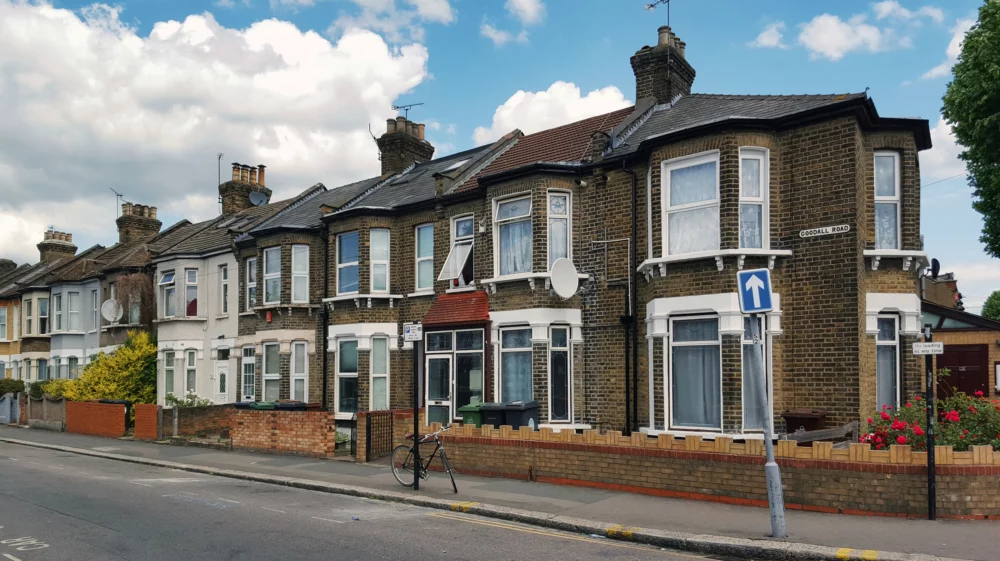
Public infrastructure and housing constructed in decades or centuries past make the UK especially vulnerable to high heat, as the Red Cross notes. Housing was built to trap heat. Air conditioning is a rarity. And British life and culture are ill-prepared to cope with heat.
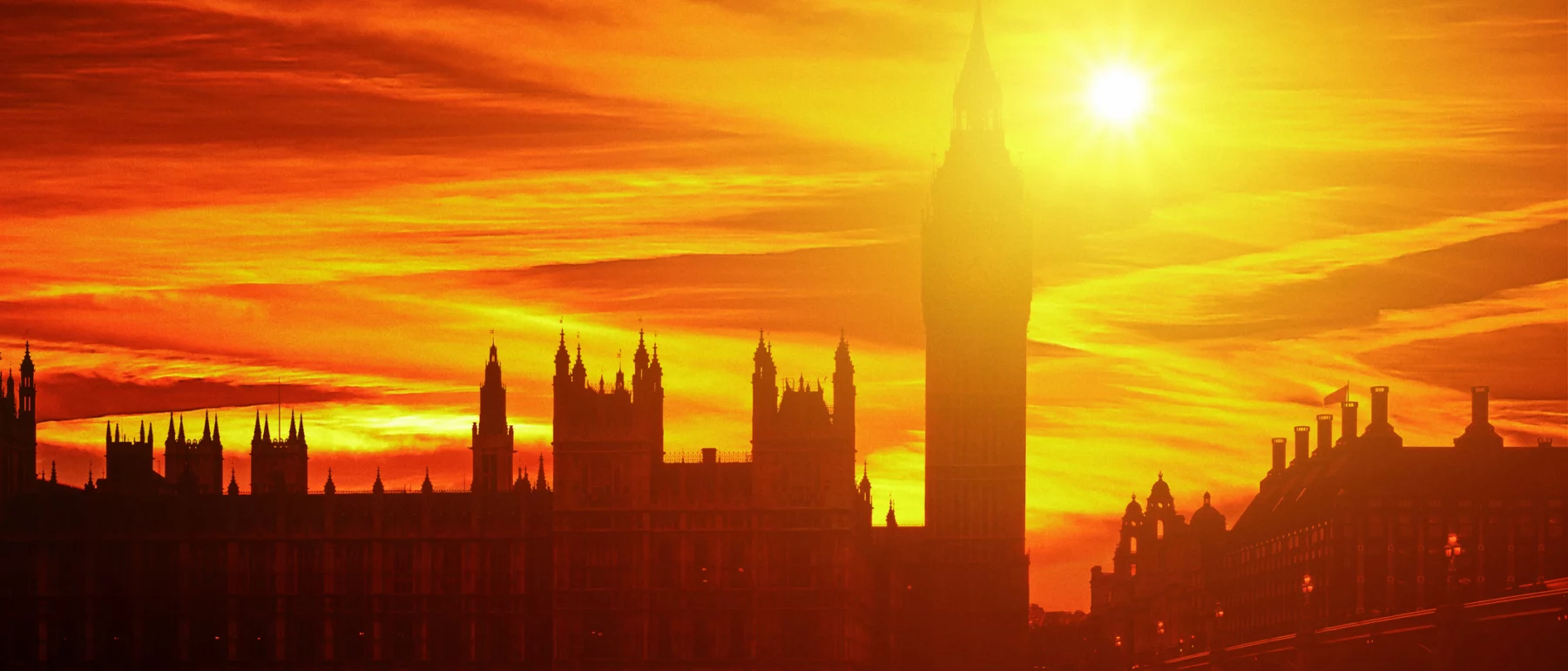
This week, temperatures reached up to 36°C, a new June record, putting British weaknesses and the consequences for health, education, transportation and wider economy onstage. The heat wave happened to coincide with London Climate Action Week – with the decision by the Zurich Climate Resilience Alliance cancel its planned London event on extreme heat “due to extreme heat” underlining its central message.
In the future, temperatures will rise to new heights more often, pushing to 40°C or 45°C – with national and global risks and emergencies mounting along with the temperatures.
To be clear, the UK will adapt to these risks because there is no choice. The scale and severity will force people to act one way or another – as this week’s responses demonstrate.
The question is what kind of adaptation this will be – whether it will be “sink or swim”. The country has consequential choices to make about who will bear the cost; how effective and expensive measures will be; and whether actions will be pro-active – trying to anticipate and limit impacts, or being more reactive, simply trying to cope with situations as they arise.
One pathway of responses – on stage this week – is ad hoc, improvisational and light touch in nature. These types of actions help people cope with crises at their worst but fail to address the real drivers of vulnerability. For example, this week, councils opened up “cool spaces” to offer refuge from the heat for those who could reach them. Those with the means bought fans or made other modifications to their homes to reduce heat build-up. But these are coping strategies only, draining the resources of local councils and placing extra demands on vulnerable people with already limited resources. For example, the closure of schools simply displaces the challenge of providing safe conditions for children to working families who must figure out what to do with their children in hot homes as they try to carry on with their own jobs.
A strategic approach is not only desirable but possible. Such an approach would use the adaptation crisis at hand as an opportunity to leverage adaptation investments – from public and private sectors – to address critical national and local issues. Our work at the Stockholm Environment Institute has shown that a more strategic, national governance approach would help the UK work to protect itself from risks – including those that arise from outside its borders.
Our ongoing work on locally led adaptation worldwide aims to better understand how actions that are driven and implemented by communities can help them improve their own resilience.
Efforts to meaningfully involve people of all kinds in policy decision-making can reap wider benefits – including building back the public’s eroding trust in governance institutions. An adaptive UK can emerge if people have opportunities to discuss how climate risks affect their neighbourhoods, to learn about how these risks link to other local challenges, and to devise ways to address these risks.
Such efforts can be a start towards creating community cohesion – a sorely needed commodity in the UK, where growing polarization and economic malaise have played parts in creating a new era of political instability.
Investing in critical infrastructure and retrofitting housing stock for resilience could be cast part of efforts to create new jobs and set the stage for British firms to offer new, globally exportable skills and technologies. Focusing on adaptation could be treated as an approach to help institutions across the country consider how to undercut national security risks and widening inequalities.
But currently, largely by inaction and distraction, the UK is limping along on a largely ineffective and haphazard path. As the Climate Change Committee bluntly stated, “What governments have been doing on adaptation clearly isn’t working.”
Ingredients for positive change are political stability, long-term planning, and coordination of limited resources. But perhaps the most crucial aspect involves leaders – at all governance levels – demonstrating that they understand the urgency and importance of adapting to climate change, and that they have the good British common sense to get on with it.
Press release / As El Niño intensifies across the Amazon, new research in Science highlights the urgent need to better protect the region’s remaining forests from disturbances.
Journal article / Publicly accessible housing data and machine learning hold genuine promise for large-scale urban retrofit strategy.
Past event / SEI colleagues are taking part in events at LCAW to highlight global leadership in industry and energy transitions, climate resilience finance, and adaptation.