Energy poverty is rising faster in Sweden than in any other EU member state while data centres arrive to claim a growing share of the grid. Jenny von Platten asks who all this energy is actually for.
As an energy poverty researcher, I usually try to schedule interviews during winter, assuming people are more willing to talk when cold homes and high bills are top of mind. But it is the end of June when we talk on the phone. He has not forgotten the electricity bills that exceeded his pension in February. And there is an election coming up.
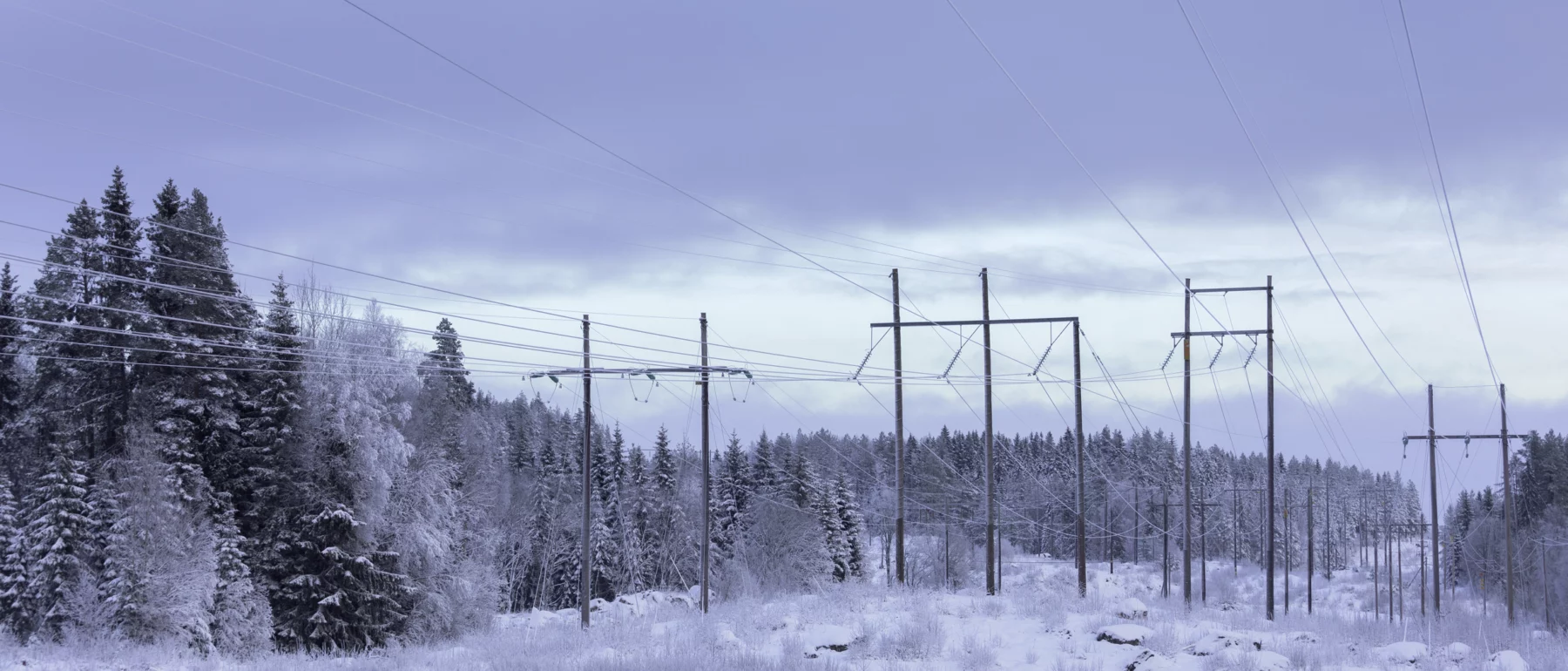
Households across the country are increasingly discontented as the Swedish electricity system struggles with capacity shortages, regional imbalances, and tangible price peaks. Regardless of the technical solutions put in place, Sweden is continually expected to see higher and more volatile electricity prices. This has to do with increasing energy use in northern Sweden, driven in part by data centres, and with electricity generation across northern Europe becoming more weather-dependent. Both put higher demand on user flexibility to maintain balance on increasingly strained grids during both short-term and long-term moments of scarcity.
Swedish households are adapting: between 2015–2024, Swedish households had the 3rd highest reductions in energy use among EU member states (-7%). But despite this, and despite still having relatively low electricity prices, energy poverty increased more rapidly in Sweden than in any other EU member state between 2021–2025, with a more than 300% increase in number of households unable to keep their homes adequately warm (from around 3% to 10% of households).
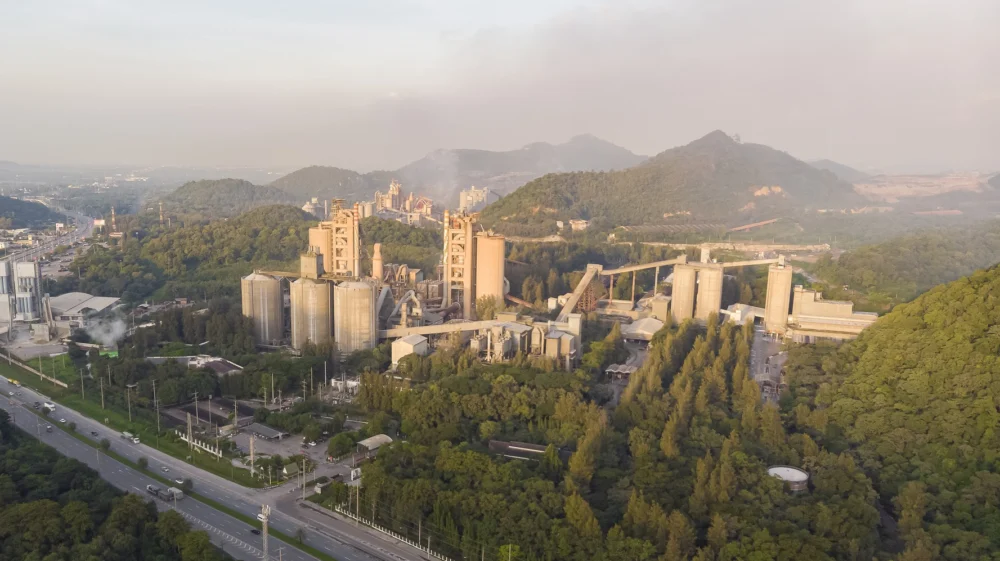
Nontheless, Sweden is still, from the outside, seen as a haven for electricity access. The establishment of new data centres has expanded over the past years as cold climate, access to land and renewable electricity are drawing these massive infrastructures to Sweden. Electricity prices also remain relatively low on average, but with sharp regional and seasonal peaks, often coinciding with when households’ energy demand for heating is the highest. Some researchers are calling this rapid expansion of digital infrastructure “digital colonialism”, referring to the way important assets, such as land and electricity, are being distributed without due democratic processes and with limited local benefits.
The cell reception is quite poor on his end, and at times we have a hard time hearing each other. But the man on the phone’s words echo many of the same fears and frustrations that I have seen online. In different forums, people are raging about the establishment of these energy-intensive facilities that are adding further unbalanced power struggles to an already volatile grid. Fears of continuing price increases surge alongside debates on the governmental subsidies to data centres, enacted through electricity tax reliefs of around 97%. Tech giants are thus granted both political and material advantages in accessing electricity, while households are left to manage the price volatility of an increasingly strained grid. Local businesses that are not granted the same subsidies as the international data centres might also struggle to make ends meet, potentially leading to what some researchers call “energy gentrification” where unfair struggles for electricity on a strained grid push away smaller and local businesses.
After telling me about how the energy efficiency investments he has made have not been enough to reduce his stress around electricity costs, the man on the phone mentions the promise of 30 000 jobs as Facebook (now Meta) set up in Luleå, and the outcome of merely 56 employees. He says that we are all being fooled. While scholars argue that we could create more jobs with less energy use in a care economy – one where the energy and CO2 intensity of paid labour is reduced by employing a larger share of the population in healthcare, care, education, and social services – data centres are rushing in the opposite direction: maximizing energy use, minimizing jobs (at facilities and beyond through the AI boom they enable). For anyone interested in a transformative sustainable transition – one that fundamentally redirects the values of our economies – this development is not only concerning, but detrimental.
We know that underconsumption and overconsumption of energy are connected, literally linked through cords in the ground and in the sky, yet we rarely consider how they could be mutually addressed. The reason for this is, of course, that it remains unpopular to talk about the reality of energy demand, let alone the potential limits of demand. We avoid the daunting question: “what is energy for?” As the number of energy-poor households is rapidly increasing in Sweden, I see through my research not only how political distrust is growing, but how distrust in the energy system’s ability to provide for them is growing as well. To the question “what is energy for?”, they are receiving a clear message: not for them.
People are gearing up with back-up generators, preparing to move into trailers, and keeping energy inefficient holes in the floor to store food. The ability to go off-grid is not only useful in case of power cuts, but also when prices are high. It is both protection and a privilege, and one that is far from available for everyone.
As we are about to hang up, the man on the phone emphasizes that he has done everything in his power to keep his energy costs down, but it has not been enough. I contemplate how to respond, but before I get the chance to say anything, the line breaks up. Can you hear me? he asks.
Can you hear me?
Project / SEI serves as Sweden’s antenna to EPAH, linking local communities and national expertise to EU energy poverty policy.
Project / This project explores how a lack of access to energy for mobility and transport interacts with energy access in the home impacts quality of life.
Project / This project traces how experiences of energy poverty in Sweden have changed since the 1950s to inform more critical, sufficiency-oriented energy policymaking.
Press release / One of the world’s oldest construction materials, clay, could help deliver lower-carbon cement, according to a new report from LeadIT.
Journal article / The authors use the iSDG-Sweden system dynamics model to study the impacts and dynamics of combined degrowth policies in a high-income country.
Project / SAFEWIN studies how offshore wind power can be combined with environmental monitoring and the protection of critical infrastructure.