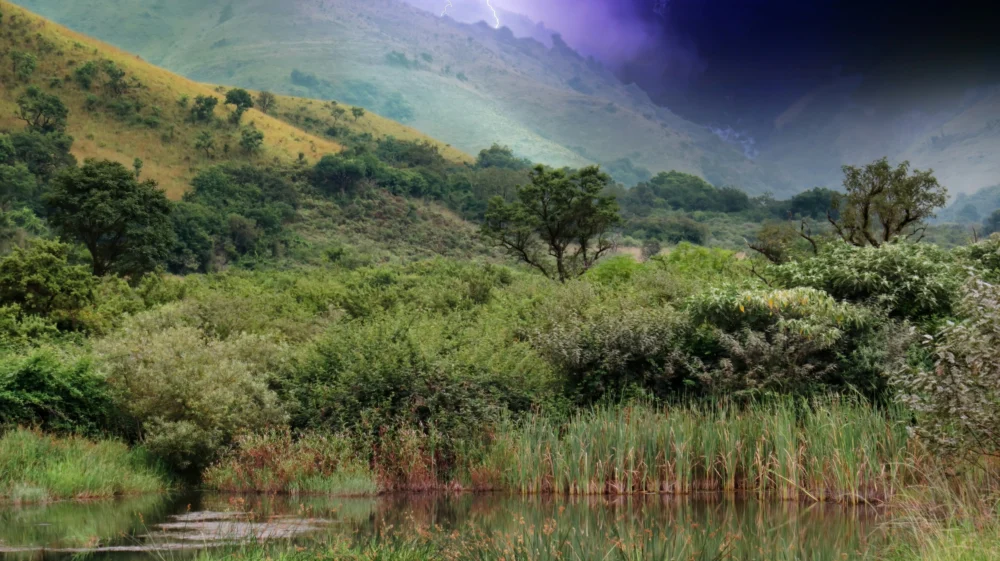
Though climate change adaptation often seems like a technical or logistical challenge, it is also a deeply human concern, involving what we choose to save, what we choose to let go, and how we connect to places we may never see in person. In this perspective, Peter Lange argues why distant losses matter, and why empathy, imagination and cultural memory are as crucial to climate adaptation as technology and finance.
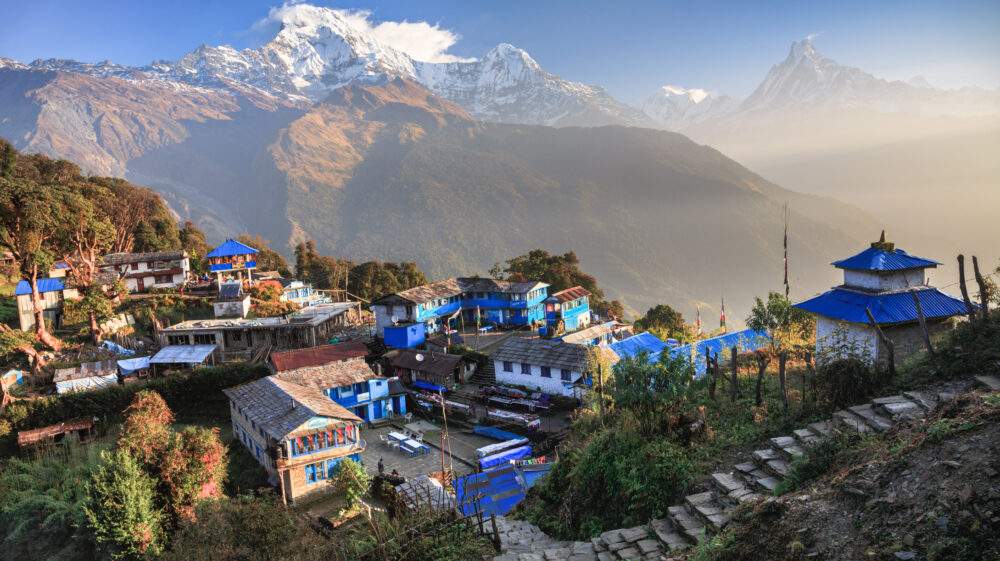
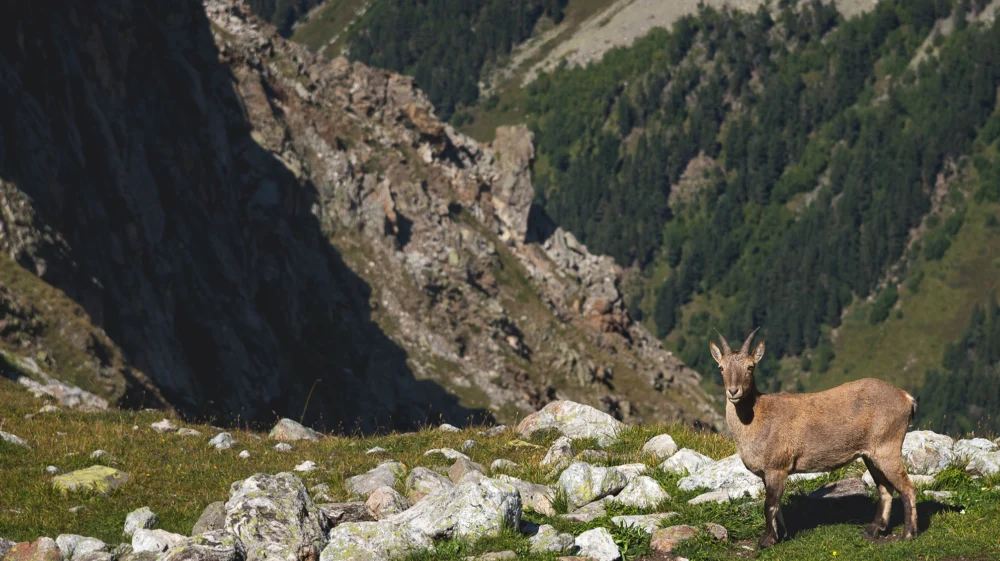
In May 2025 in Switzerland, the collapse of a glacier buried the town of Blatten in rubble. Right now in Siberia, the last thirty speakers of Chulym grow older, their language fading with each passing season. Somewhere in the Amazon the final living individual of a beautiful species of birds is chirping, looking in vain for a mate.
I might never trek that glacier, hear that tongue, or see that bird – but the idea of their loss still feels personal to me. Even if I cannot personally experience them, I am happy knowing they exist. They are a critical element of the imaginative tapestry of human experience, essential to the richness of the world. They are what make it a boundless, endlessly original place that can never be imitated.
These locations, languages and species form the archive of the world, and like at the Library of Alexandria a fire is lapping at the walls. Do we each run in and save our favourite books? Or do we work together to extinguish that which threatens what we all hold dear?
Recognizing the importance of saving things that we may never enjoy ourselves is a critical psychological hurdle that mankind must overcome if we are to successfully address climate change. We cannot each tend to our corner and ignore the global problem – cannot just save our own books – because every element of the problem is inexorably intertwined.
As pressing as our personal concerns are – the mundane, routine urgencies of bills, getting kids to school, making dinner, doing the laundry – we must carve out a sliver of our mental space for the things we may never see with our own eyes. The preservation of our shared global environmental and cultural heritage is not an act of charity for others; it is a quiet form of self-respect. It is what keeps the world from becoming smaller.
The case for the material urgency of the battle against climate change has been well made, and of course it must continue to be made. But it is important to remember the intangible aspect of the case for action. Yes, we want to save the environment to protect our self – so that we can still grow food, breathe clean air, and avoid destruction from massive storms, desertification, and rising sea levels. But also, we should want to save the environment for its own sake.
The treasures of the Earth are worth fighting for in and of themselves. Like works of art and books in a library, their beauty is accessible not merely when they are directly experienced, but in the fact of knowing that we still can. Remembering the abstract, transcendental case for our stewardship of nature is as important to stirring us to collective action as the “practical” argument. We must continue telling the stories and cataloguing the losses that accompany our environmental tragedy so that we never forget that the stakes of this crisis go beyond cost-benefit concerns – there is something deeply human and spiritual at risk too.
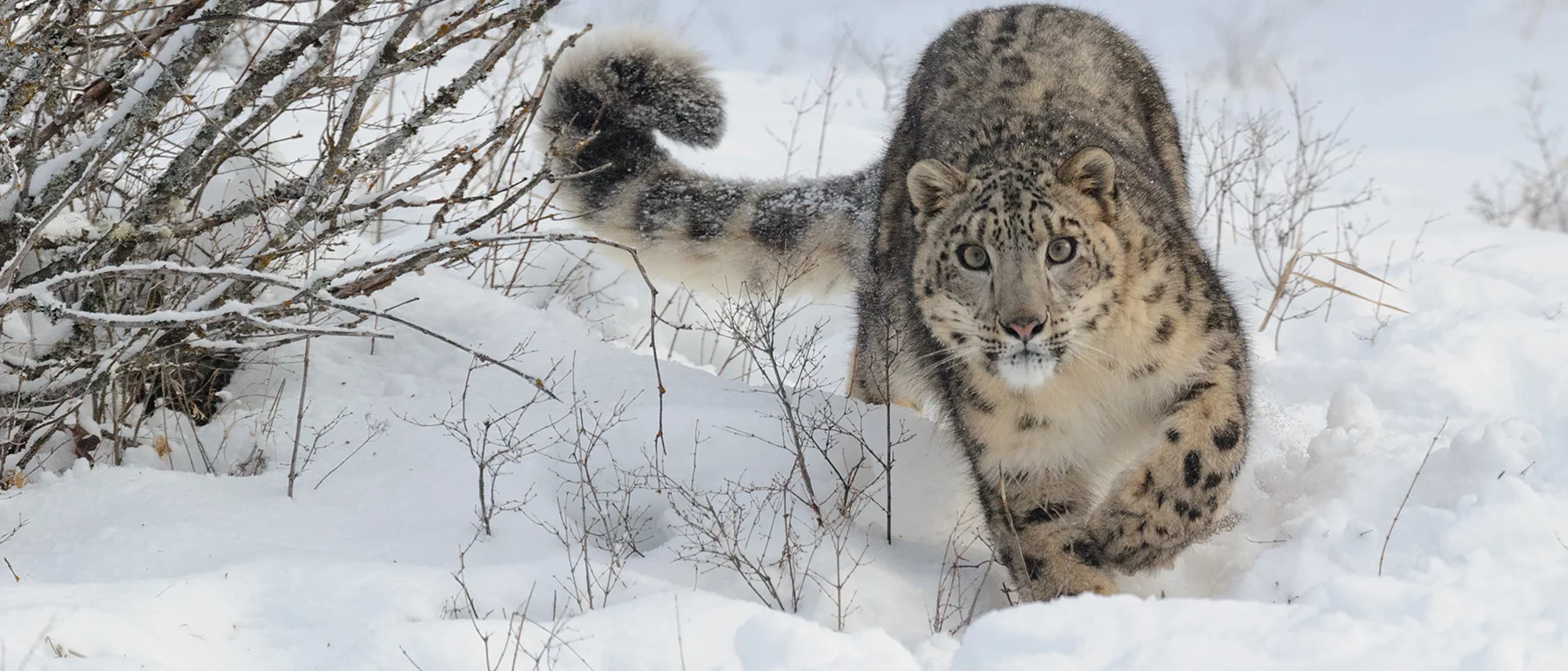
When treasures are lost, along with them go the echoes of their creators. We lose the intangible ecological, social, and cultural meanings that successions of generations have inherited and adapted and carefully passed on – forms of knowledge that elude the split-second, predictive categorizations of the artificial intelligence era. There is something of value in the untranslatable words from a language that encode a unique worldview; the mythic significance of the snow leopard, long revered in the highlands of Central Asia as a guardian of hidden places; and the millennia-spanning climatic diary embedded in the palimpsests of pollen on a glacier. These might not present a practical use in any immediate sense, but they are testaments to ways of being that remind us the world was never ours alone.
So, what can you do? Start with something simple but profound: pick one thing – one language, one species, one story, one place – that you will learn about and share. Read a poem in a dying language. Volunteer at a conservation project. Talk to your children about a species they’ll never see. Let that story into your life. Let it matter to you. Because if enough people care about small, distant things, they stop being so small – and they stop feeling so distant.
Peter Lange is completing a master’s degree in environment, politics and development at King’s College London. He holds a bachelor’s degree in political science from the Norwegian University of Science and Technology (NTNU), which included a year of exchange studies in Sociology at UC Berkeley. His academic focus lies at the intersection of climate adaptation, international governance, and geopolitics.
In the spring of 2025, Peter was an intern with SEI Oxford on the Adaptation at Altitude program, which focuses on adaptation in mountainous regions. The internship has helped shape his dissertation and deepened his interest in science-policy linkages and global climate cooperation.
Originally from Norway, Peter served as a conscript in the military and worked in the Coast Guard, experiences that continue to inform his perspective on resilience and adaptation.
Peter can be reached at [email protected]
Program / The Adaptation at Altitude program seeks to help mountain communities adapt to climate change.
Feature / Mangroves are returning to Montecristi, where an SEI-led living lab is piloting a comprehensive restoration approach.
Feature / Biodiversity action is falling short – SEI shares five recommendations for building more resilient societies ahead of COP17.
Feature / SEI US introduces a new research program focused on climate forecasting and capacity building.