This study examines how value-led design can mediate between traditional cosmologies and scientific climate knowledge to strengthen adaptation.
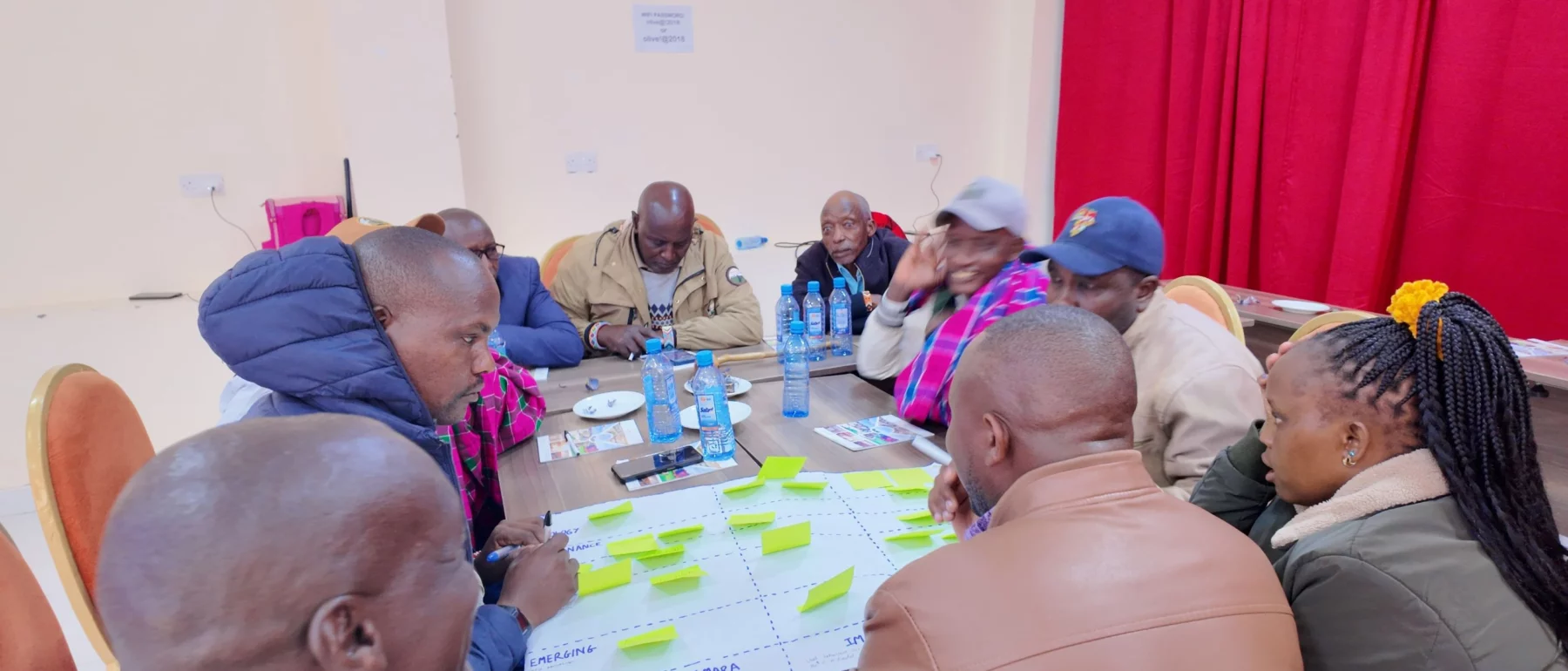
This study applies the multi-level perspective (MLP) as a participatory reflection tool to work with pastoralist communities in Kenya’s Maasai Mara region. Findings show how value-led design can advance equity by embedding community voices and centring values in decision-making, contributing to broader debates on design’s role in fostering systemic transitions amid climate uncertainty, and safeguarding against maladaptation.
The study presents the MLP as a tool for value-led design, connecting abstract climate data and local knowledge, enabling communities to reinterpret climate projections through cultural worldviews and identifying locally grounded adaptation strategies. By following this method, researchers and practitioners can support communities to imagine, negotiate, and sustain equitable, regenerative futures that are scientifically informed and grounded in cultural values.
The authors posit that design, understood as a systemic, participatory, and futures-oriented practice, is a key approach for navigating complex climate challenges in Kenyan’s arid and semi-arid lands (ASALs). It shows how value-led design approaches can advance equity by embedding community voices and centring values in decision-making. It also contributes to broader debates on design’s role in fostering regenerative models,
systemic transitions, and more equitable futures in climate uncertainty.
The paper frames design as a critical skill and interpretive lens for sustainability transitions, safeguarding against maladaptation. The authors argue that by linking climate science with participatory design practices and grounding systemic reflection in local contexts, design enables communities to articulate visions of the future that are both desirable and ecologically feasible, and socially and culturally resonant. They argue that design emerges as a bridge between knowledge and action, science and society, and short-term adaptation and long-term transformation.
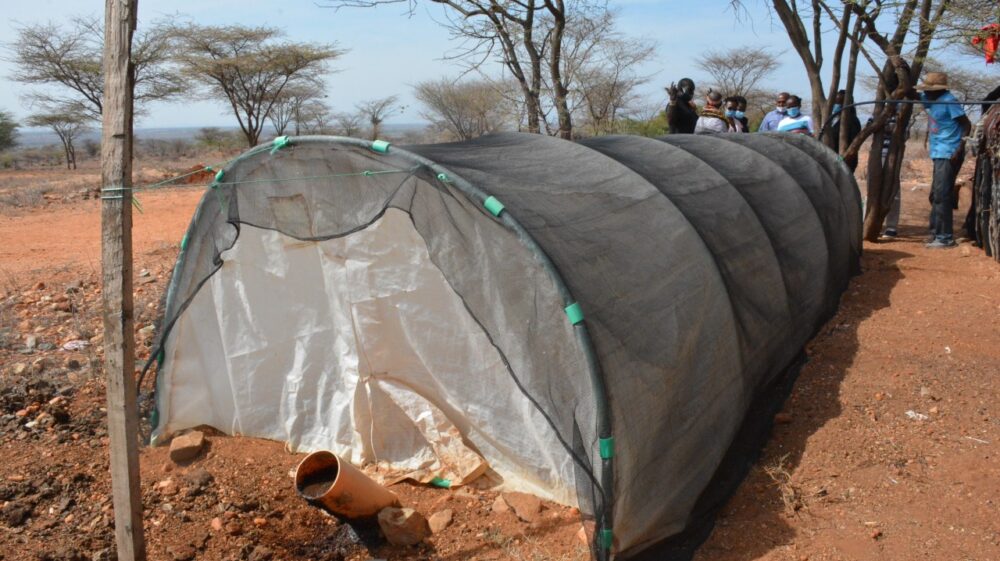
Project / The IMARA program aimed to increase the resilience of marginalized households to climate-change-related shocks.
Media advisory / Experts from SEI will be at CBD COP17 in Yerevan from 19–30 October and are available for commentary and analysis.
Media advisory / SEI invites journalists to a media briefing where its experts will share their perspectives on key topics ahead of the UN Biodiversity Conference (COP17).
Past event / The SEI-hosted Adaptation Research Alliance, with support from SEI Africa, will host the workshop to connect adaptation research with policy and practice.