part of The Paris Agreement 10 years later
Start readingIn Greek mythology, Sisyphus, having incurred the wrath of Zeus, was banished to the underworld, forced to push a large boulder to the top of a hill, only for it to roll back again when he neared the top. He was fated to repeat his task for all of eternity.
In late 2025, it wouldn’t be a large stretch of the imagination to liken this story to the state of global climate action.
In 2015 when the Paris Agreement was signed, I was just about to graduate university. I was young and optimistic about the future state of the world, certain that the achievement of the first truly universal climate accord in history was a sign we were headed in the right direction.
However, 10 years later, my optimism has dimmed.
The political landscape today looks almost unrecognizable to the decade-old scene, a time when there remained a sense of global “order” – that is, a trust that countries would play by the rules and support collective goals.
That system of multilateralism has since disintegrated. While the decline may have been longer in the making, 2025 has seen the system tip into crisis, with governments shifting aid, development and climate budgets towards defence, undermining essential humanitarian and environmental responsibilities.
In June 2025, NATO leaders agreed to invest 5% of their countries’ GDP on defence and security-related spending by 2035 – a massive rise from 2% which has been constant since 2002. Meanwhile, countries including France, the Netherlands, the UK and the US slashed foreign aid budgets. These decisions signal profound shifts in national priorities. As an article published by Nature Communications in May shows, rising military spending jeopardizes climate targets, not only because it diverts critical funding, but also because the military industrial complex is one of the world’s biggest carbon polluters.
Meanwhile, the latest Emissions Gap report shows increases of greenhouse gas emissions in “all major sectors and categories”. The latest pledges in countries’ Nationally Determined Contributions to the Paris Agreement have “barely moved the needle” on temperature projections.
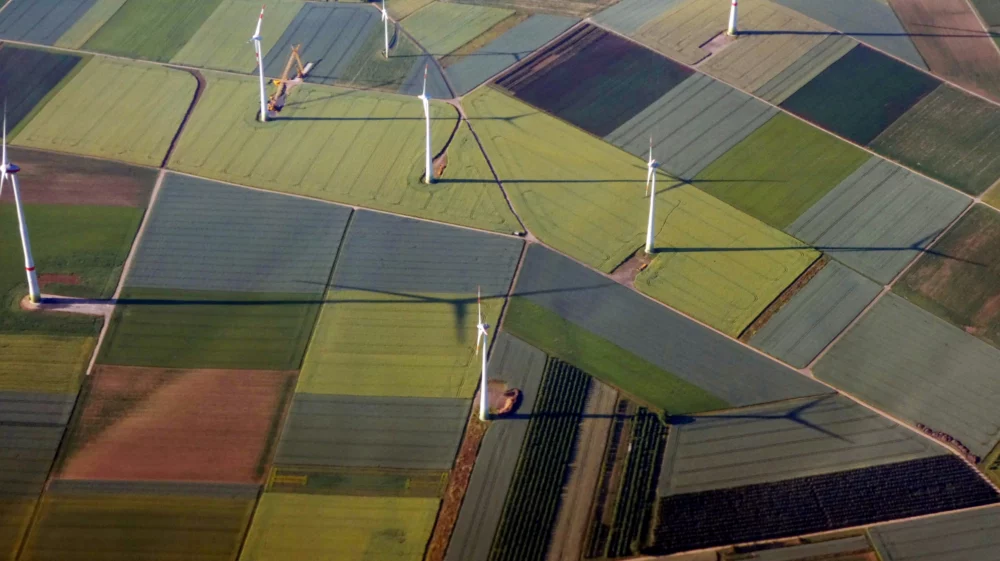
The first decade since the Paris Agreement has seen some successes: the rapid scaling of renewable energy, expansion of climate finance mechanisms, and the establishment of the historic Loss and Damage Fund. But it also shows that voluntary pledges alone are insufficient.
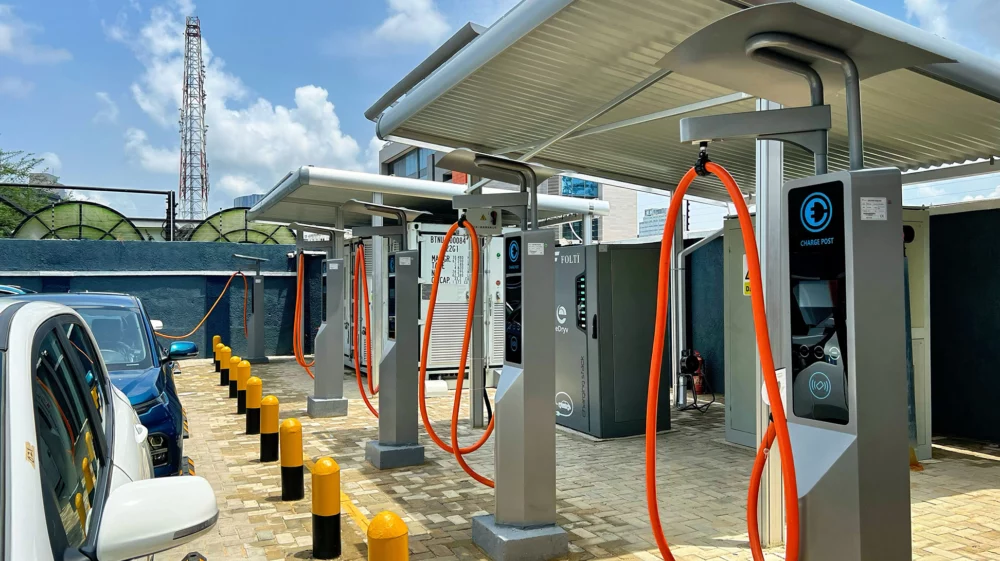
Moreover, in a landscape where billionaires increasingly shape political priorities, Bill Gates’s recent critique of what he called the “doomsday view of climate change” downplays the urgency of the world’s mission and provides fodder for climate sceptics. His premise is that investing in global health and human capital rather than near-term emissions reduction will create the conditions for economic growth, which in turn enables technological innovations such as renewable energy, electric vehicles and carbon capture.
While this argument has merit, it creates a false dichotomy: Why choose between immediate climate action and long-term development when both are necessary? With military and defence spending increasing, and development and aid budgets shrinking, achieving this balance becomes far more difficult.
Beyond this unhelpful critique is the world’s increasing reliance on market-driven solutions for climate transition. While such mechanisms play a critical role, they cannot replace the systemic shifts that only government coordination and regulation can achieve. The “marketization” of climate change has its pitfalls: greenwashing business-as-usual practices and perpetuating – or widening – global inequality, as analysis of climate capitalism has shown. Mining for critical minerals for renewable technologies, for instance, often mirrors the same exploitative labour practices as fossil fuel extraction.
Ultimately, multilateralism is essential to achieving climate goals. This is because climate is by its very essence a global problem. However, at present, geopolitical and economic forces are hollowing out the foundations that multilateralism requires: strong state regulatory and redistributive capacities, trust (in institutions, in science), and shared public purpose. Instead, political sentiment is shifting towards national security, competition and short-term interests.
The 2025 Emissions Gap report affirms that pursuing the 1.5C temperature goal is a legal, moral and political obligation for governments, linking climate change to human rights. In this regard, the Paris Agreement creates an essential political architecture and common language that was unprecedented in 2015. However, without shared responsibility and political will, climate commitments risk remaining aspirational rather than enforceable.
The myth of Sisyphus can be seen as a testament to human endurance in the face of adversity. But if the decade since the Paris Agreement teaches us anything, it is that persistence without structural change is futile. To meet the challenges of the next 10 years, states must rebuild trust in multilateralism, strengthen systems of climate accountability, and champion just transition frameworks that link climate mitigation and adaptation to social equity. Sisyphus alone could not push the boulder, but through global solidarity we might finally get it to the top.
This is perspective is part of a series by SEI researchers worldwide marking the 10th anniversary of the Paris Agreement by examining the lessons from its first decade and the implications for the next.
Other publication / This report focuses on how clay, one of the world's oldest construction materials, has the potential to drive a lower-carbon future for the cement industry.
Media coverage / SEI's Jason Veysey co-authors an op-ed on how countries can go beyond national plans and platforms to achieve truly resilient decarbonized energy systems.
SEI report / A six-step roadmap for transport businesses in Nigeria to cut their emissions – and at the same time improve their operations and finances.