Editor’s choice
Editor’s choice
This paper reviews current practices and investigates key barriers and enablers in implementing citizens and stakeholders’ engagement in climate adaptation action.
Despite growing efforts to address climate change impacts, an adaptation implementation gap persists, where administrative, financial, cultural, and organizational challenges hinder the translation of climate change policies into action. As one of several approaches to bridge this gap, meaningful stakeholder engagement in adaptation is widely recognized as crucial for enhancing action effectiveness, acceptance, stakeholder empowerment, learning and social justice.
Stakeholder engagement in climate adaptation has increased over the past decade, however it remains limited. To understand how to improve engagement, the authors adopted a mixed-method approach that includes a systematic literature review (n = 123 papers), interviews (n = 20) and online surveys (n = 51) with European adaptation practitioners. The findings reveal a critical disconnect: while operational enablers for engagement are widely recognized, their implementation is frequently undermined by persistent, often overlooked structural institutional and social barriers related to governance, resources, and capacity to engage.
Consequently, the range of current engagement practices remains narrow, confined to specific solutions, socio-economic sectors, phases of the adaptation cycle and passive engagement approaches. Advancing engagement requires moving beyond operational guidelines to address these systemic constraints. Key enablers to promote change include strengthening local institutions’ capacity and resources, embedding engagement mandates across sectors, diversifying methods, and meaningfully empowering citizens to engage. This can be achieved not only by raising awareness and disseminating knowledge, but also by building capacities, providing economic resources, and fostering trust.
Project / Adaptation AGORA will support the adaptation to climate change by leveraging and step-forwarding best practices, innovative approaches and policy instruments.
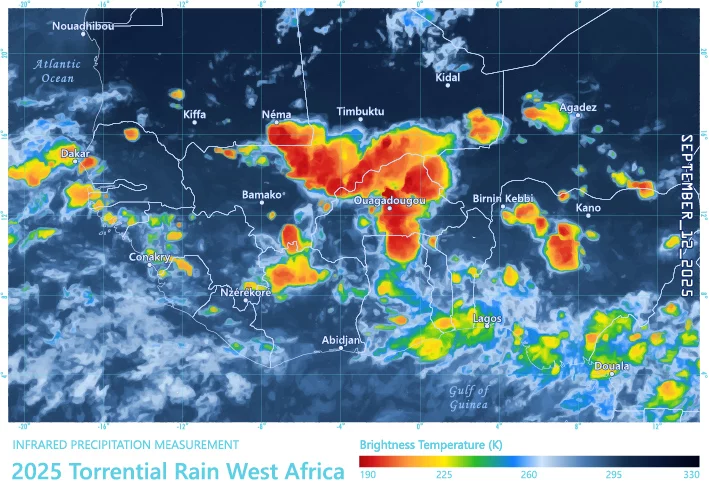
Project / The WISER program strives to bolster global resilience to climate change by transforming the development and use of co-produced weather and climate services.
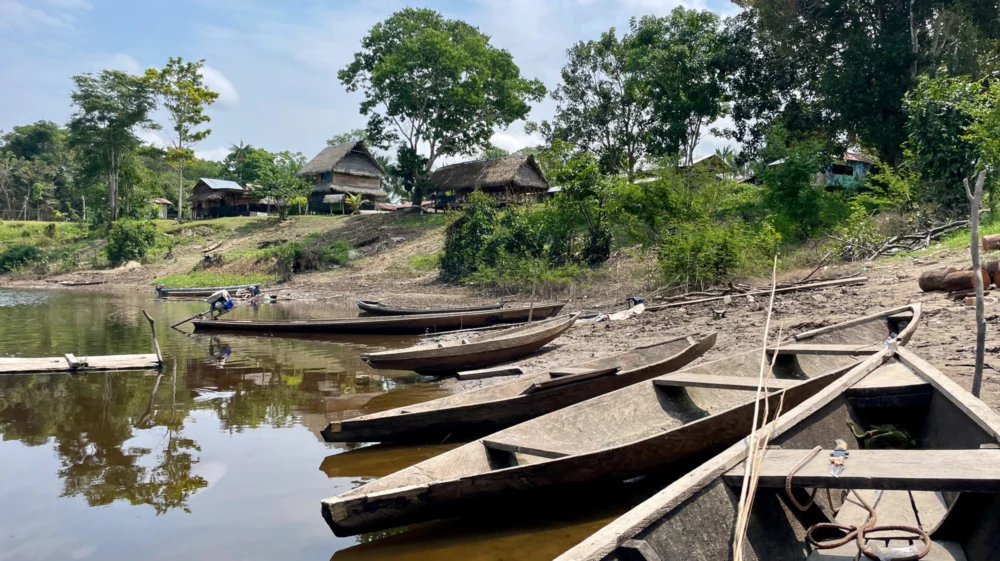
Journal article / Science and policy must engage with Indigenous and local knowledge systems to address accelerating biocultural loss in the Amazon region.
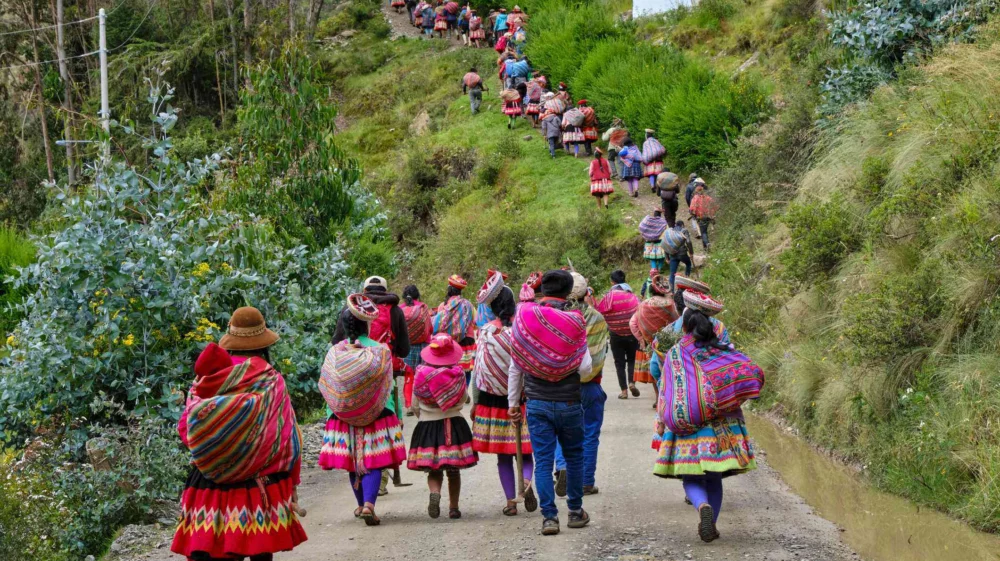
Perspective / To observe the International Day of the World’s Indigenous Peoples, Alice Chautard reflects on the growing role of Indigenous knowledge in climate adaptation.