A multidisciplinary group of researchers has come together to warn against “biodiversity leakage” – the displacement of nature-damaging human activities by protecting or restoring areas of land. Tackling this issue effectively requires collaboration between conservationists, commodity producers, decision-makers and governments.
Efforts to conserve the habitats of endangered animals, such as sea otters, could undermine conservation efforts elsewhere in the world through biodiversity leakage.
Photo: Chris Spain / Pexels
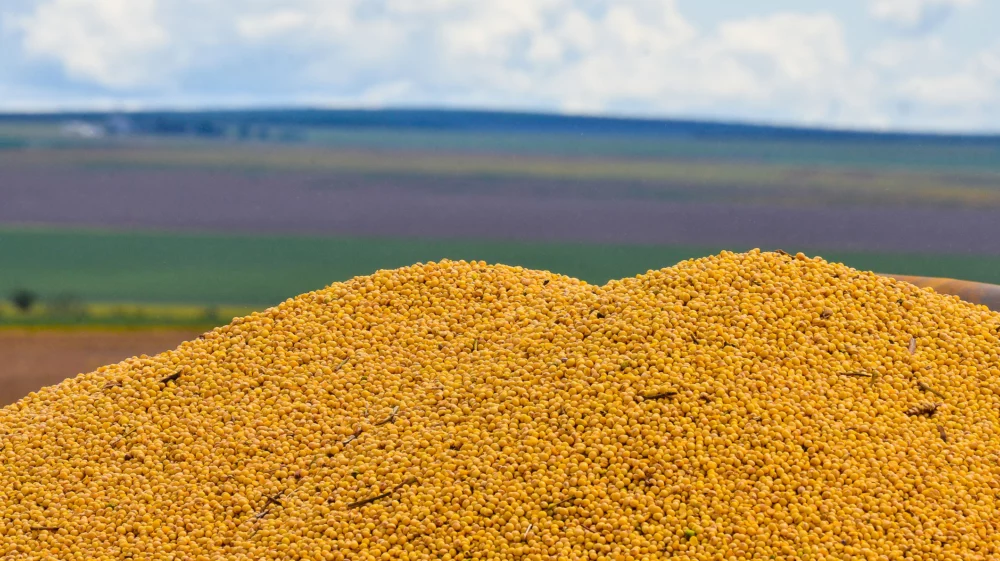
Biodiversity leakage is undermining global efforts to halt biodiversity loss. There are concerns that large-scale conservation initiatives in regions like Europe and China are causing production shortfalls for agricultural commodities. These are then driving land conversions – such as changing an area of forest to arable land – in more biodiverse, less well regulated parts of the world. Troublingly, even major initiatives like the Global Biodiversity Framework’s 30 x 30 target do not mention the problem.
The authors offer numerous ways to address biodiversity leakage, including:
These efforts will involve the coordination and input of many different parties. Fortunately, many of these actors are ready and motivated to tackle global biodiversity loss.
An open access version of this paper can be found on Andrew Balmford’s profile on the University of Cambridge website.
Journal article / LIFE quantifies and maps the extinction risk impacts of land-cover changes, using data on over 30 000 vertebrate species.
Journal article / Due to increasingly hybrid approaches in sustainability governance, researchers will need to attend to both chain and out-of-chain actors in their assessments.
Perspective / Conservationist policies could be more effective if they respected the spiritual beliefs that already guide forest use, preserve biodiversity and livelihoods.