This article presents a relational database that links data from field studies on habitat fragmentation to taxonomic nomenclature, spatial and temporal plot attributes, and environmental characteristics.
Habitat fragmentation studies have produced complex results that are challenging to synthesize. Inconsistencies among studies may result from variation in the choice of landscape metrics and response variables, which is often compounded by a lack of key statistical or methodological information. Collating primary datasets on biodiversity responses to fragmentation in a consistent and flexible database permits simple data retrieval for subsequent analyses.
The authors present a relational database that links such field data to taxonomic nomenclature, spatial and temporal plot attributes, and environmental characteristics. Field assessments include measurements of the response(s) (e.g., presence, abundance, ground cover) of one or more species linked to plots in fragments within a partially forested landscape.
The database currently holds 9830 unique species recorded in plots of 58 unique landscapes in six of eight realms: mammals 315, birds 1286, herptiles 460, insects 4521, spiders 204, other arthropods 85, gastropods 70, annelids 8, platyhelminthes 4, Onychophora 2, vascular plants 2112, nonvascular plants and lichens 320, and fungi 449. Three landscapes were sampled as long-term time series (>10 years). Seven hundred and eleven species are found in two or more landscapes.
Consolidating the substantial amount of primary data available on biodiversity responses to fragmentation in the context of land-use change and natural disturbances is an essential part of understanding the effects of increasing anthropogenic pressures on land. The consistent format of this database facilitates testing of generalizations concerning biologic responses to fragmentation across diverse systems and taxa. It also allows the re-examination of existing datasets with alternative landscape metrics and robust statistical methods, for example, helping to address pseudo-replication problems.
The database can thus help researchers in producing broad syntheses of the effects of land use. The database is dynamic and inclusive, and contributions from individual and large-scale data-collection efforts are welcome.
Read the article (external link to journal)
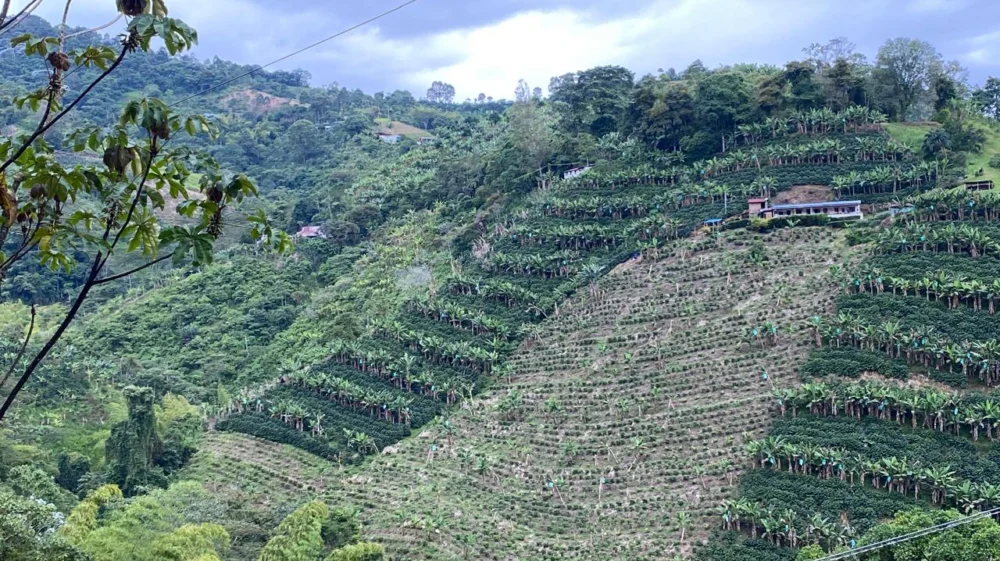
Feature / Coffee grower José María González Salazar is trying to preserve trees and crystal clear water through agroecology and multifunctional landscapes.
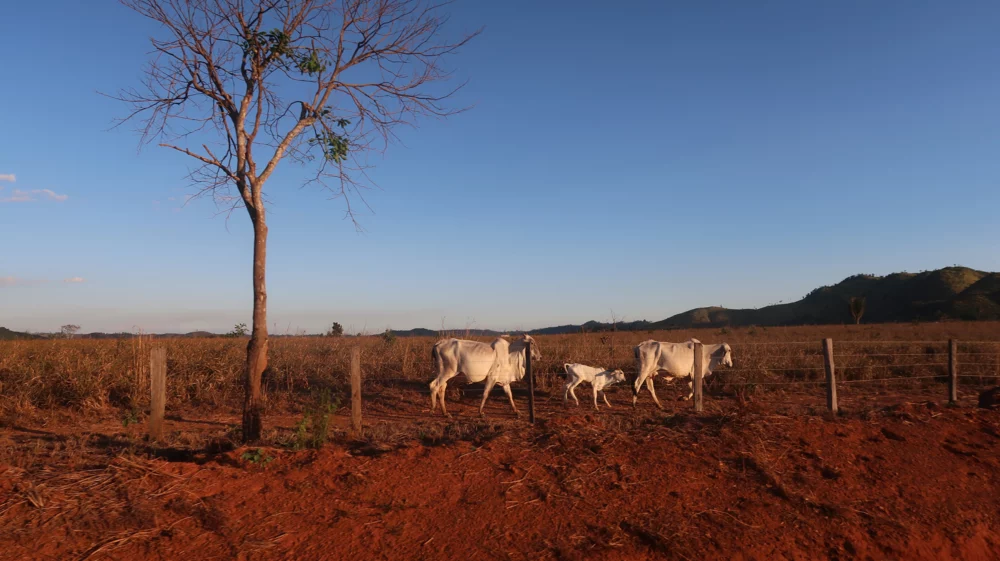
Journal article / This research explores how cattle ranching shapes the transition from forest frontiers to large-scale agriculture in the Brazilian and Colombian Amazon.
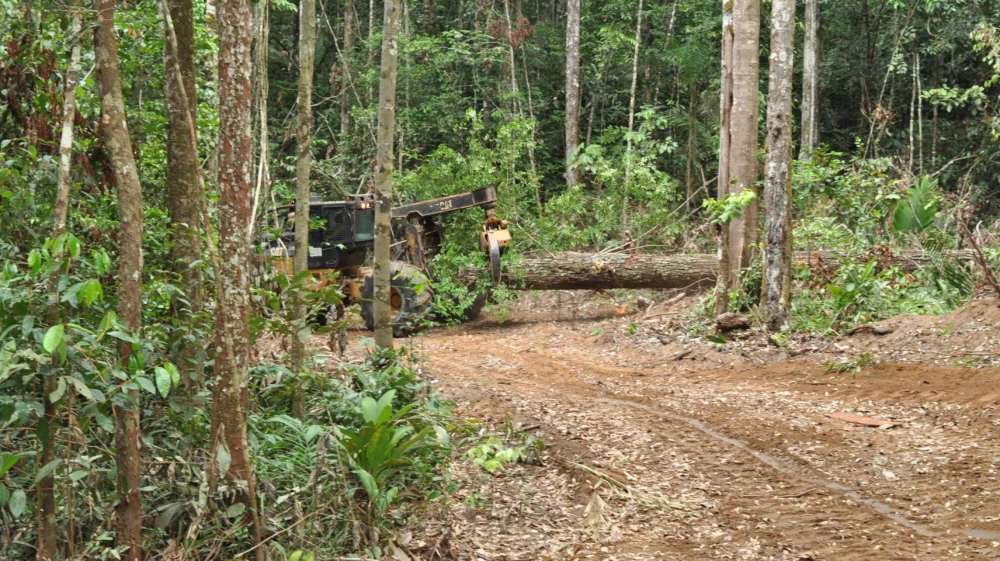
Journal article / This research compares the biodiversity, carbon and cost-effectiveness of forest protection, disturbance avoidance and restoration in the Brazilian Amazon.