On a three-hectare farm in Risaralda, coffee grower José María González Salazar is bringing back the shade trees that modernization removed. His story is one of many that SEI researchers heard in Colombia’s Campoalegre River Basin, where tourism, farming and conservation share the same land.
José María González Salazar remembers the landscape of his childhood as a place of trees, clear water and farms growing a variety of plants and animals.
I was fortunate to grow up in a beautiful region, with many trees and crystal-clear water. I remember every day. That is what I want to recreate on my farm through agroecology.
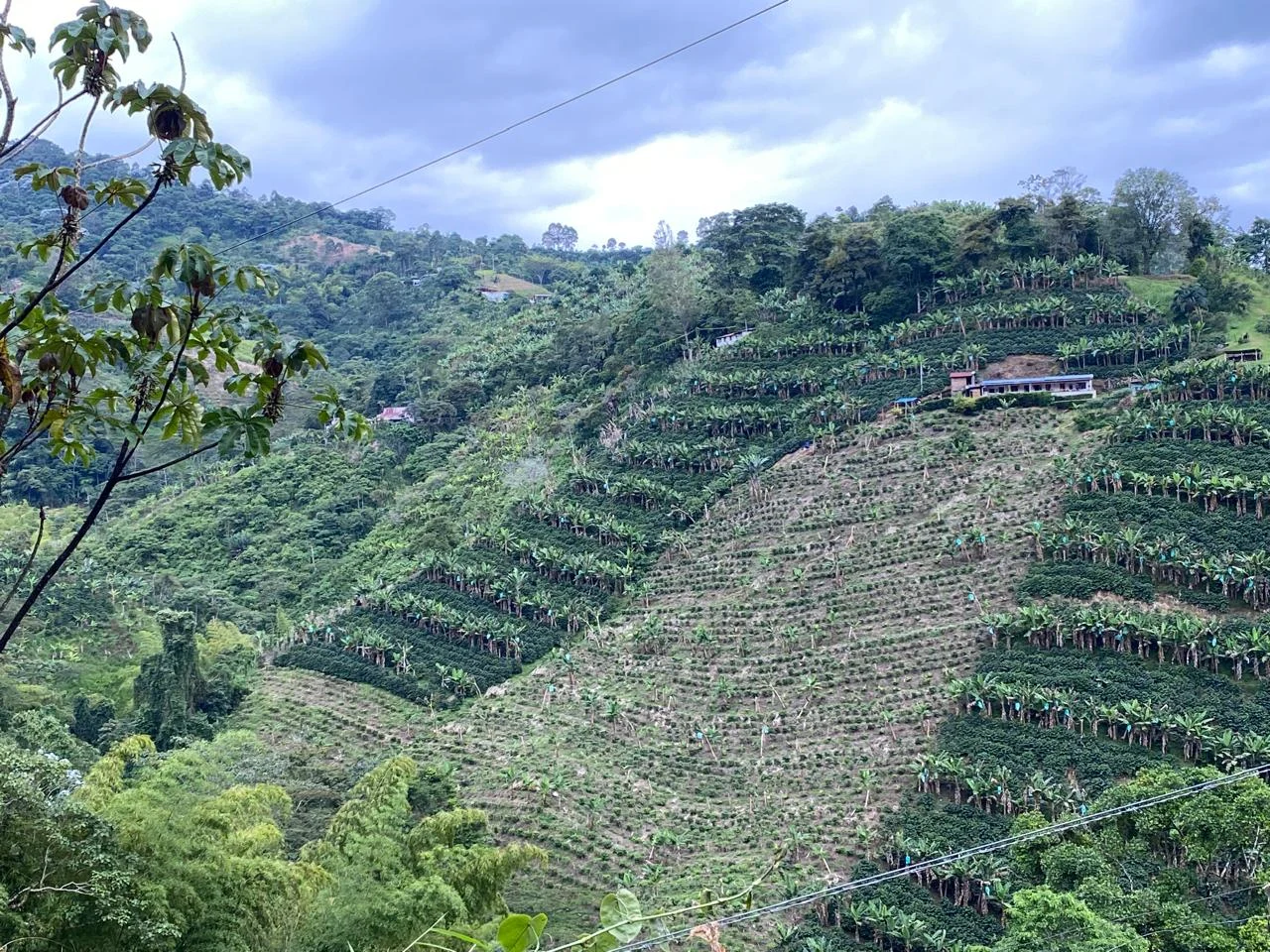
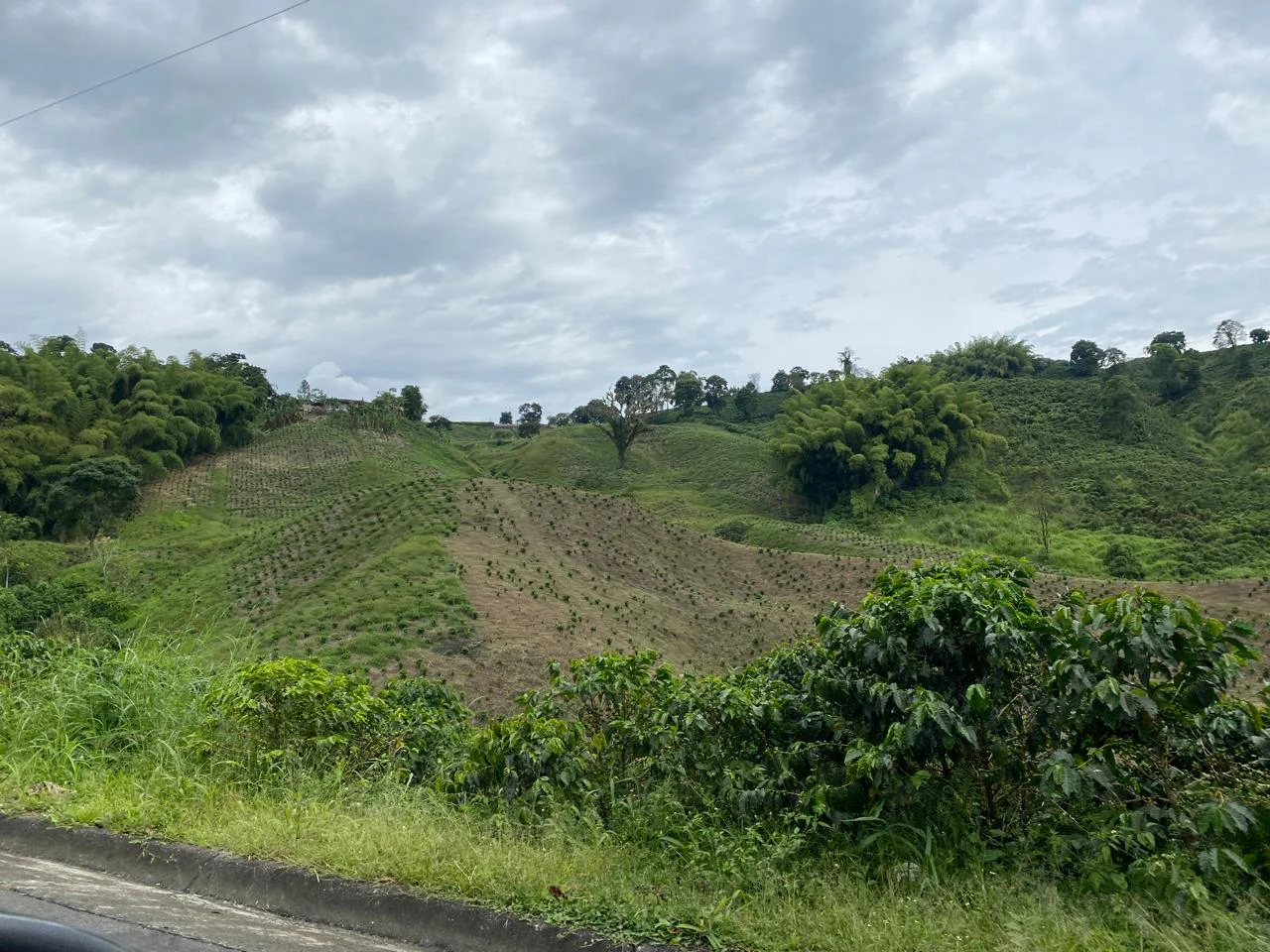
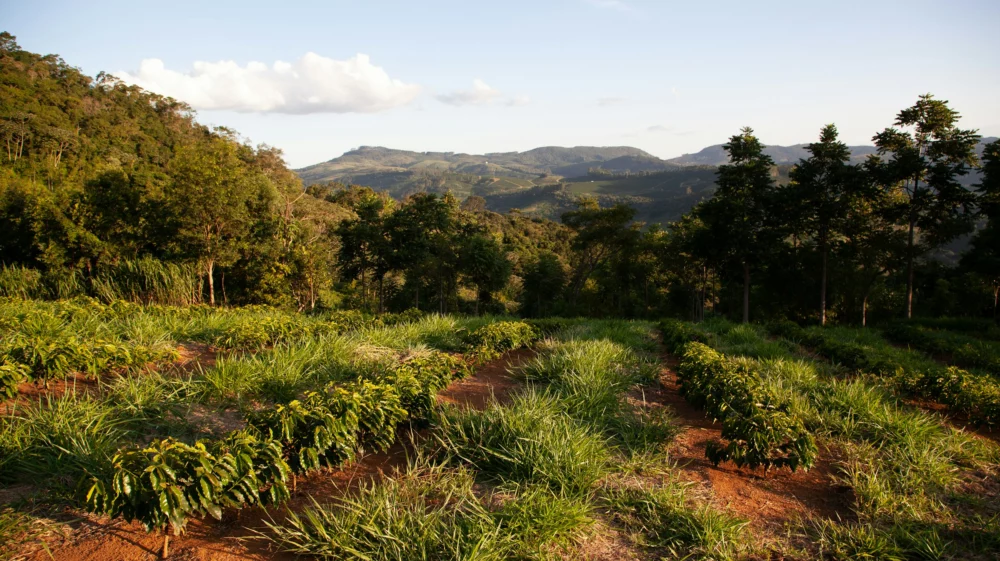
His family came from El Peñol, Antioquia. After being displaced by the construction of the Nare reservoir, they eventually rebuilt their lives in Risaralda. But the landscape around him was changing. For decades, modernization encouraged farmers to replace traditional shade-grown coffee with sun-grown monocultures. Trees were cut down, older coffee varieties were displaced, and diversified farms that once combined coffee with plantain, maize, beans, fruit trees and livestock became increasingly specialized. José María recalls that even access to agricultural credit could depend on removing shade trees.
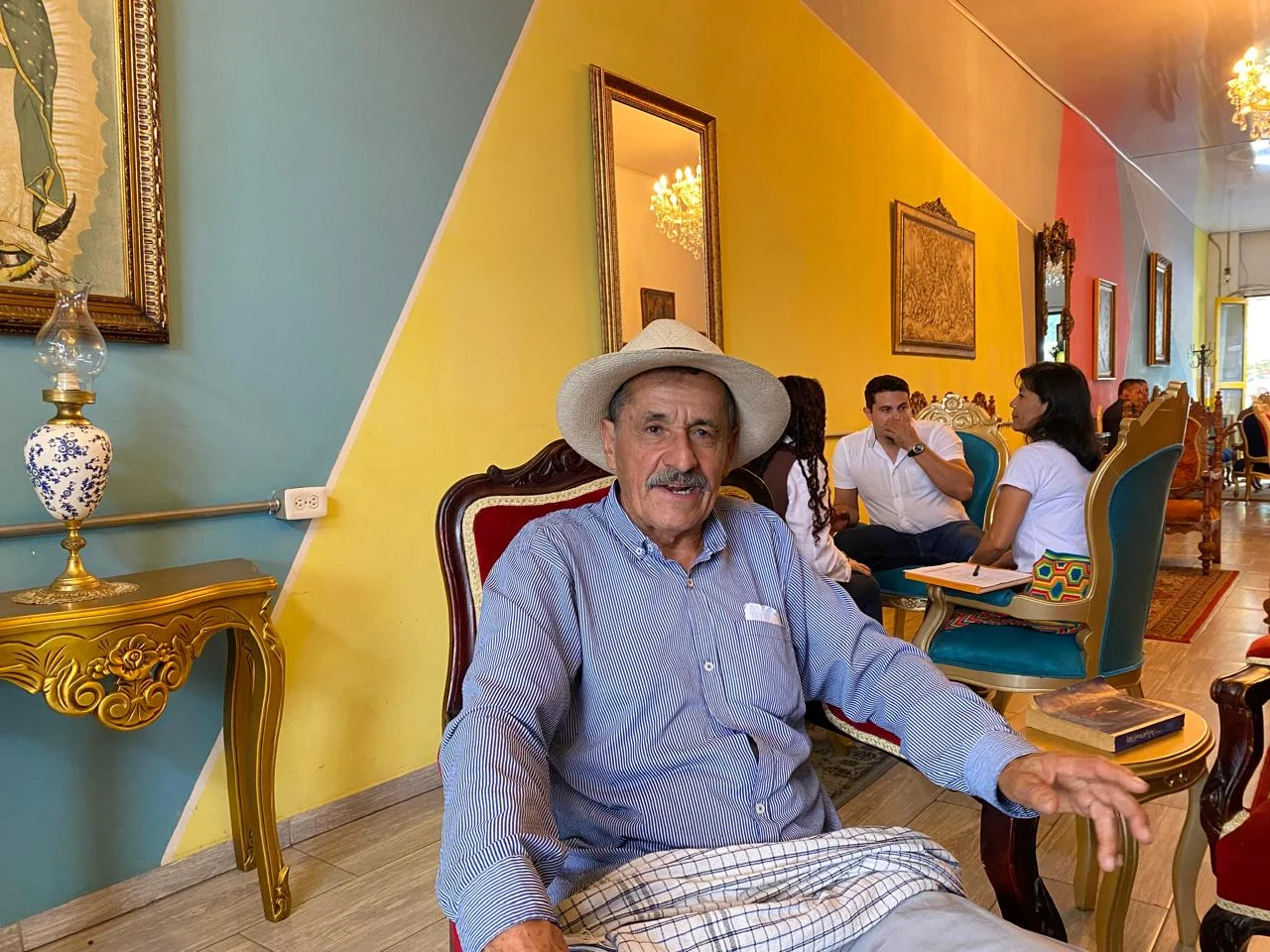
Coffee producer José María González
Mónica Trujillo / SEI
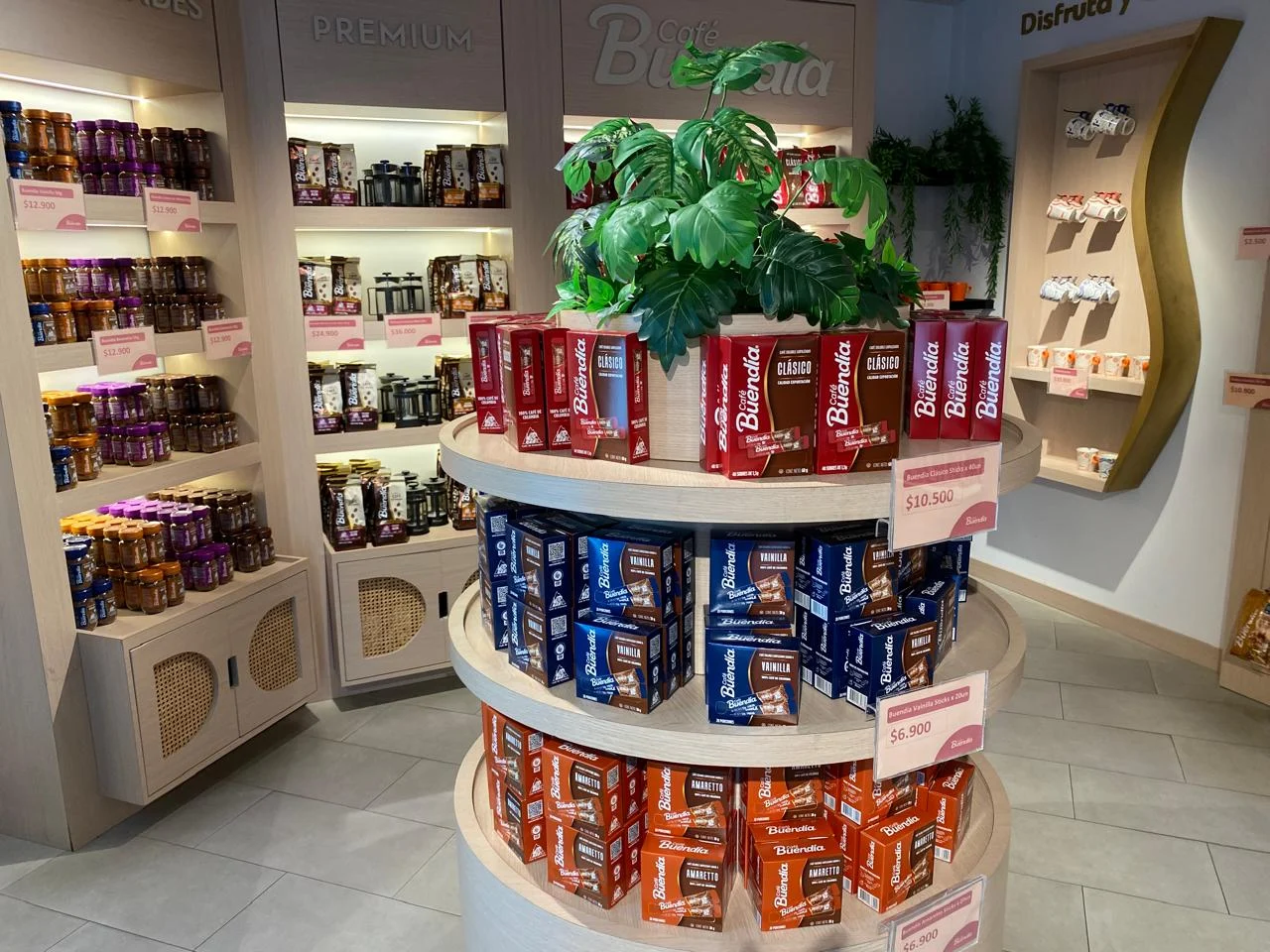
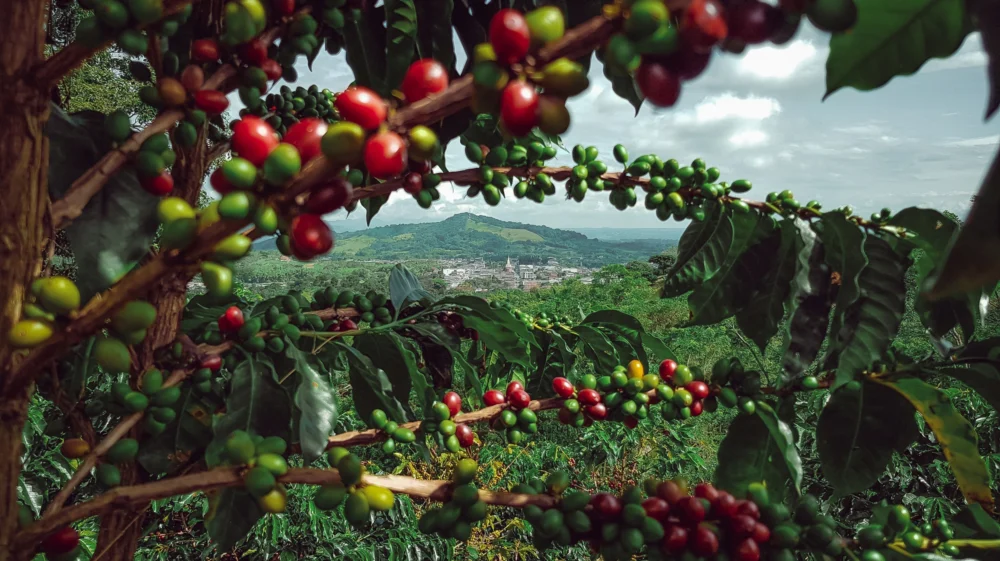
Today, on just three hectares in Marsella, Risaralda, José María is choosing a different path. He grows small lots of high-value specialty coffee under shade trees, applying agroecological practices that help restore soils and maintain a more diverse landscape. He also roasts and markets his own coffee, leads an association of high-quality coffee producers, and welcomes university and school groups to his farm to learn about soil restoration, environmental education and coffee culture. One of the association’s coffees, Amarillo Oro Marsella, illustrates how focus on quality can offer an alternative to producing larger volumes: according to José María, it can sell for 2,5 times more than conventional coffee.
Mónica Trujillo / SEI
His experience shows how specialty markets, local entrepreneurship, agroecology and education can work together to make biodiversity an asset for rural livelihoods. His philosophy is simple: “If you want to have soil, you need trees. If you want to have dirt—dust—then cut the trees.” For José María, bringing trees back to coffee is not about returning to the past; it is about building a more resilient future for coffee landscapes:
Without the countryside, there is no city.
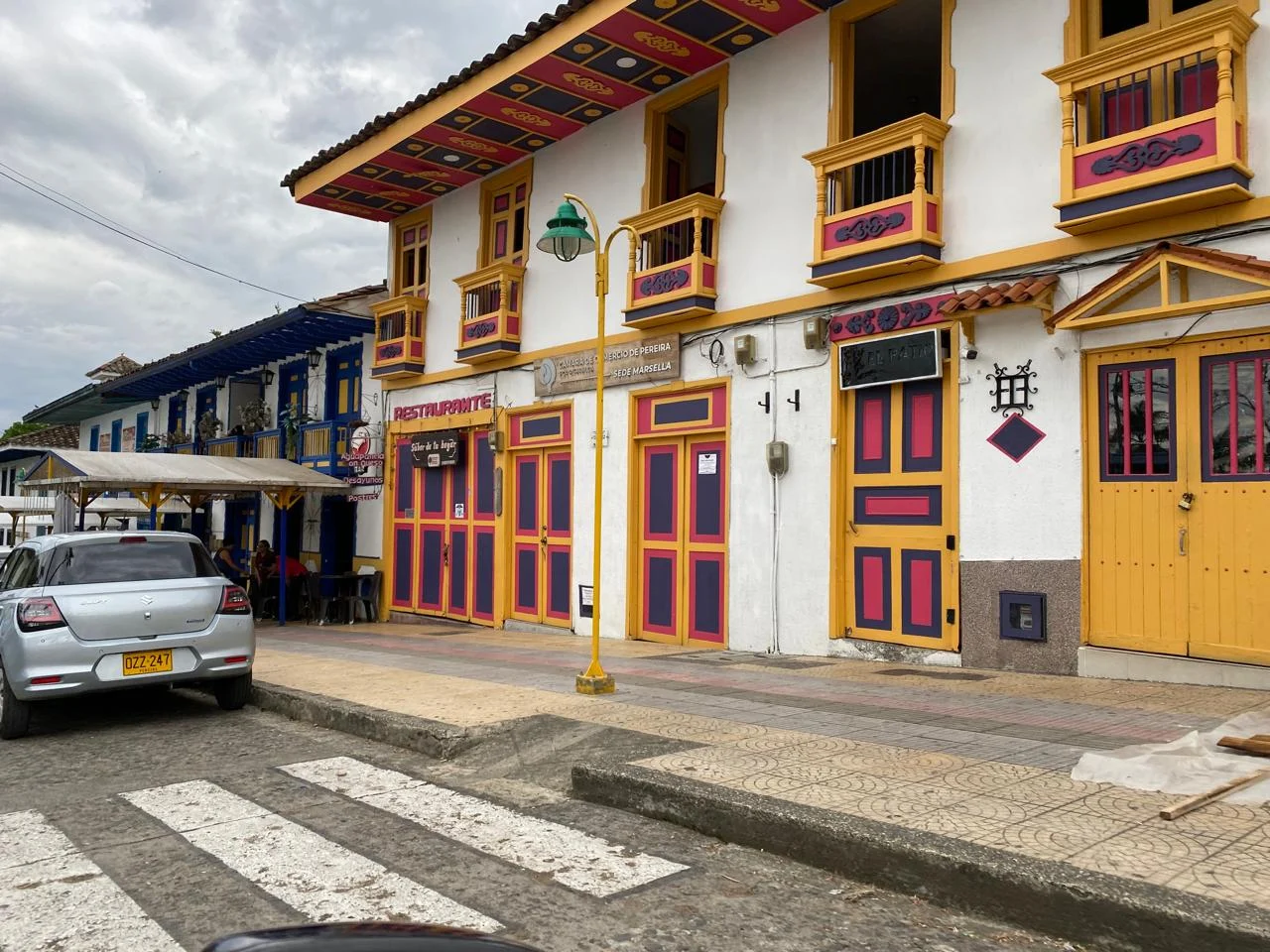
Marsella municipality
Mónica Trujillo / SEI
Mónica Trujillo / SEI
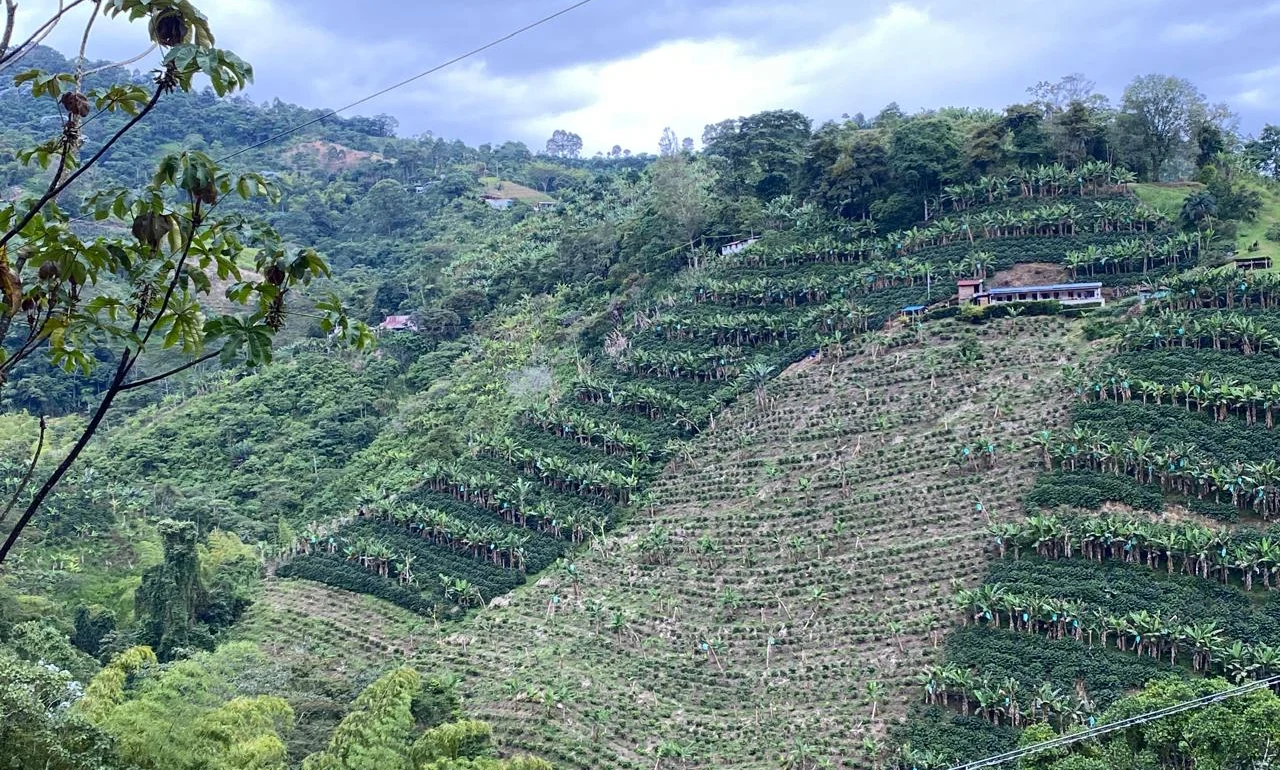
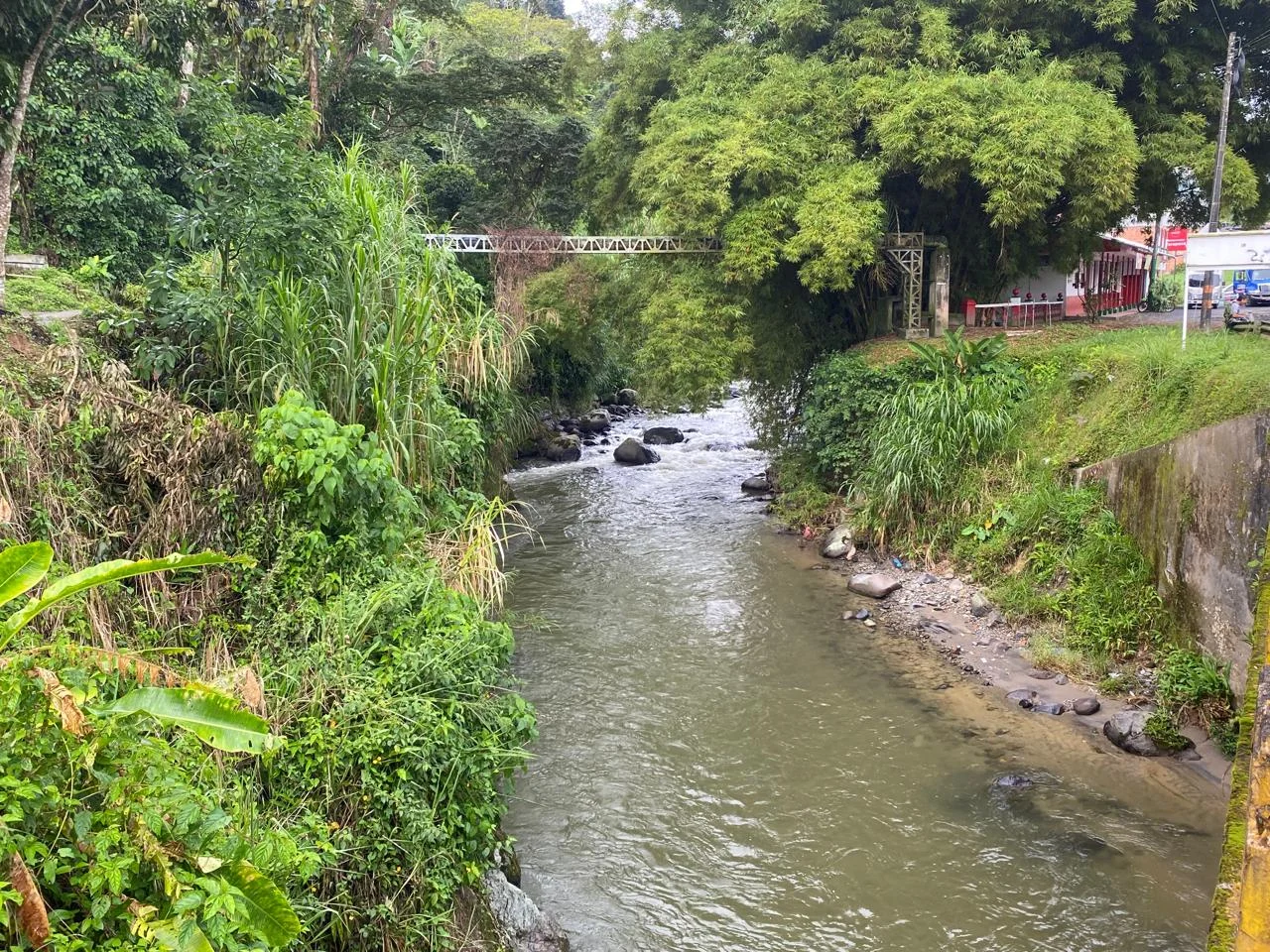
José María’s farm sits in the Campoalegre River Basin, in the departments of Risaralda and Caldas. Parts of the area fall within the Coffee Cultural Landscape of Colombia, a UNESCO World Heritage Site. Protected areas, nature-based tourism, coffee and plantain production, fruit farming, livestock systems and urban settlements all coexist here and contribute to the region’s social, environmental and economic development. The basin’s rich biodiversity and water resources form the ecological foundation that sustains livelihoods, supports local economies and provides environmental benefits such as water regulation, climate resilience and habitat conservation.
Mónica Trujillo / SEI
Mónica Trujillo / SEI
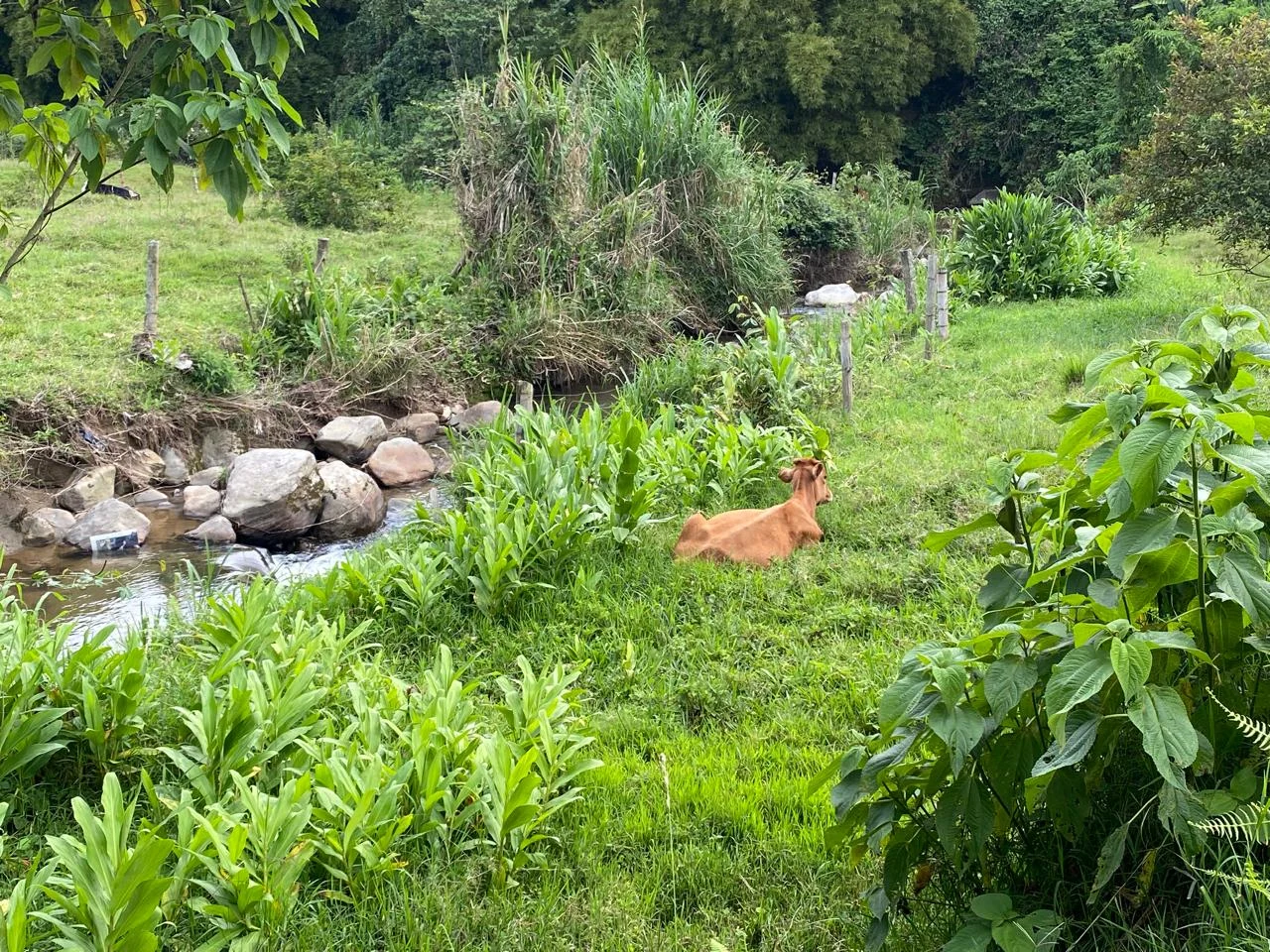
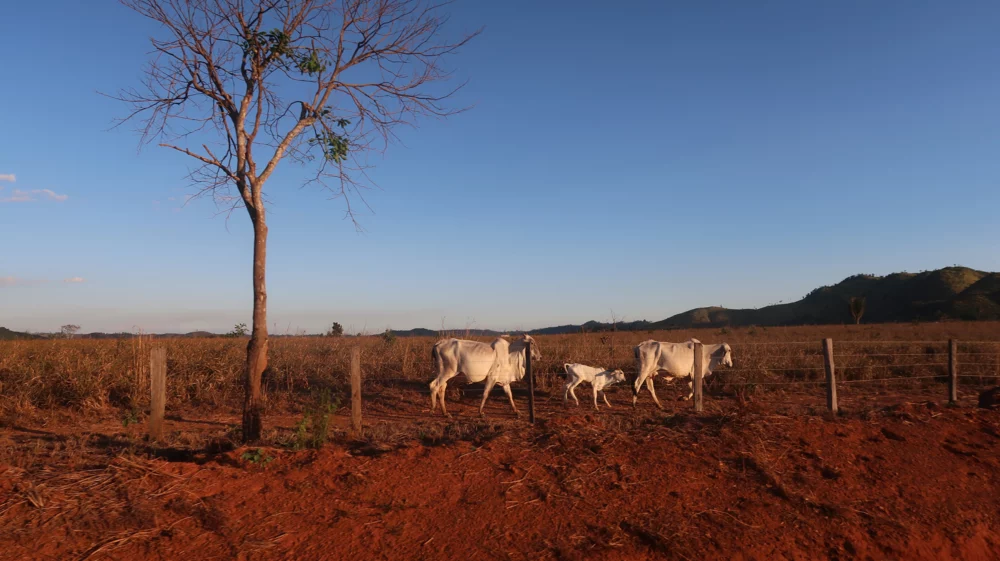
We travelled there to gather data for a project case study documenting how such multifunctional use of land could reduce pressure on ecosystems, improve agricultural sustainability and support livelihoods. In the upper basin, two major companies offer wellness, relaxation and nature tourism built around thermal springs surrounded by protected areas. The middle basin is dominated by coffee grown with plantain, alongside livestock, pig and poultry farming, avocados and other fruit crops.
Mónica Trujillo / SEI
Mónica Trujillo / SEI
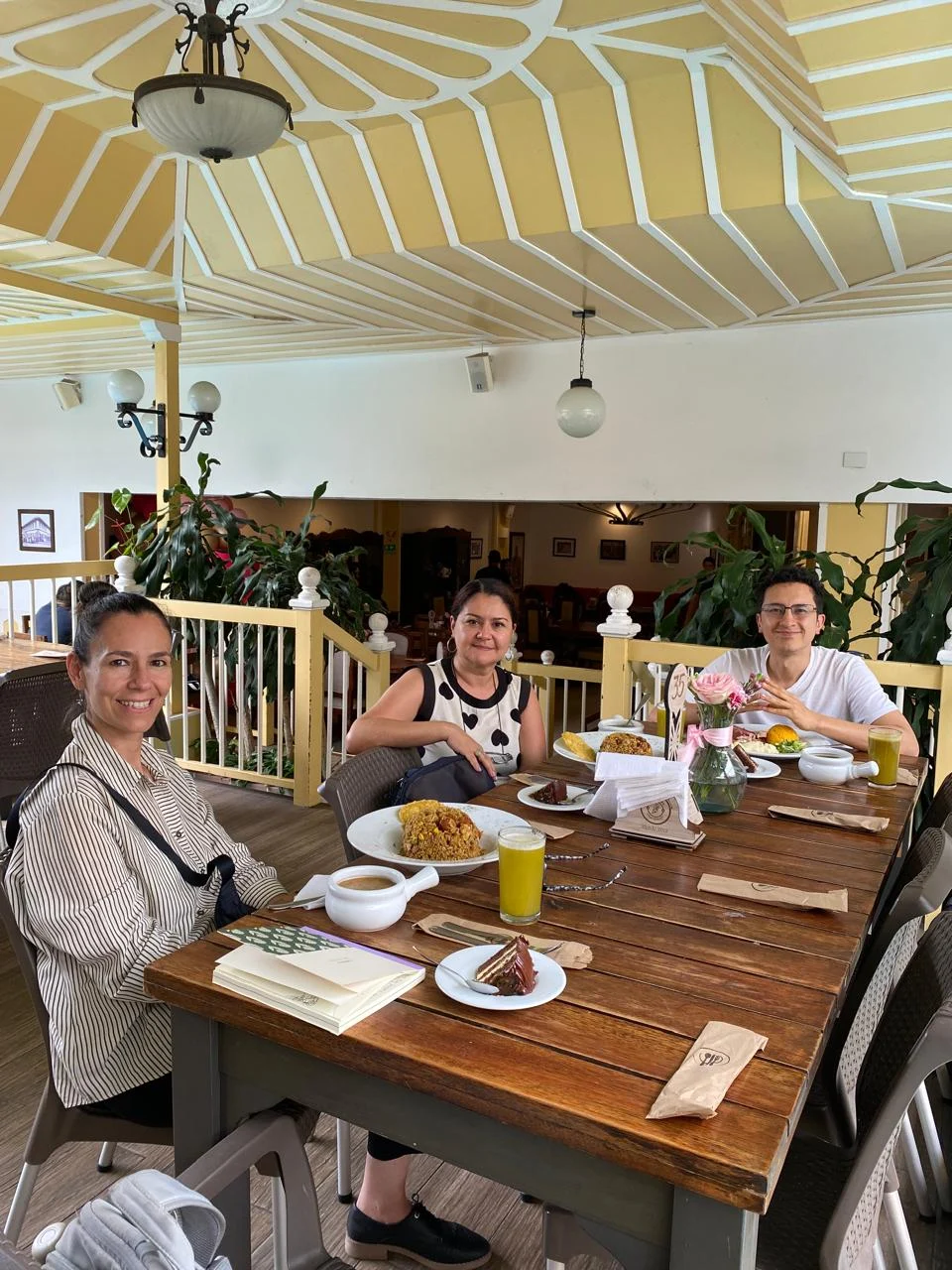
We interviewed 12 representatives from local and regional governments, environmental authorities, enterprises, coffee farmers and agricultural associations. They highlighted some emerging trade-offs and rapidly developing economic activities. Tourism, for example, has become a major source of employment and income, but its rapid expansion – mushrooming of restaurants, accommodation and other facilities in the upper basin – is causing social, environmental and land-use pressures. Commercial forestry plantations and the gradual expansion of avocado production alongside traditional activities such as coffee and livestock farming are adding to the pressure.
These findings show how dynamic multifunctional use of land can be: markets, investment and new economic activities can support livelihoods, but they can also simplify landscapes, increase competition for land and water, and disrupt beneficial natural processes. Maintaining healthy multifunctional landscapes requires anticipating these changes and strengthening governance so that economic diversification respects the ecological limits and functions of the basin.
In the face of climate change, degrading soils and the need to feed more and more people, the benefits of multifunctional landscapes need to be strengthened. Public institutions, local communities, producer organizations, businesses, universities, and research institutes are working together to do just that through environmental stewardship, sustainable production practices, and landscape restoration. Our case studies and decision-support tools will help those steering the landscape make informed choices that support growers like José María while at the same time preserving the “many trees and crystal-clear water” for generations to come.
One-SEI program / Finding synergies between otherwise competing land uses could reduce conflicts, prevent deforestation and biodiversity loss and support sustainable agriculture.
Journal article / This research explores how cattle ranching shapes the transition from forest frontiers to large-scale agriculture in the Brazilian and Colombian Amazon.
Feature / Trase identifies the leading coffee trading companies and estimate where traders and markets source coffee from within key coffee-producing countries.
Press release / New data from Trase reveals that the majority of the coffee imported globally comes from companies that supply the European market.