In this book chapter, Foster illustrates the difference between creative and arts-based approaches, and sketches out the implications of this for environmental and sustainability education.
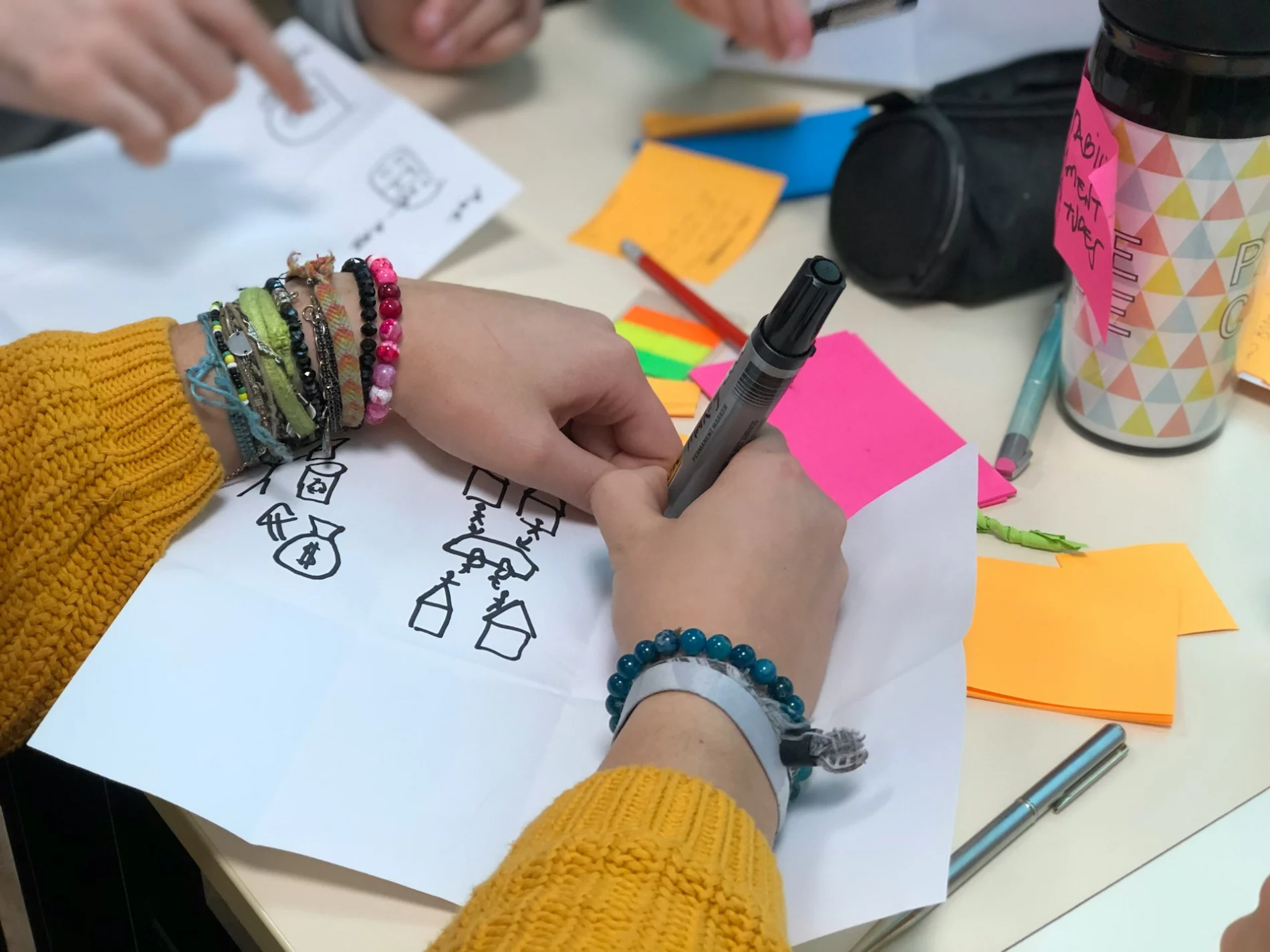
Creative and arts-based approaches can support the emotional wellbeing of environmental education research participants.
Photo: Amélie Mourichon / Unsplash
While creative and arts-based approaches use different methodologies in research and practice, both engage the imagination and enable people to communicate their thoughts in non-verbal ways. Arts-based research tends to be more of a participatory practice, yet both are frequently used to explore lived experiences within an educational context.
Foster’s work assesses the strengths and limitations of creative and arts-based approaches with a focus on their use in justice and futures thinking. Creative and arts-based approaches can be especially helpful for generating a sense of agency and autonomy: this is essential for supporting the emotional wellbeing of research participants in environmental and sustainability education spaces.
By engaging the imagination, both approaches offer a holistic learning experience, supporting the outcomes needed (i.e. a sense of empowerment, community capacity building, etc.) for a social and cultural response to the climate crisis.
Past event / Sarah Foster explained how creative approaches can make climate change and sustainability education more accessible, emotional and actionable.
Other publication / Principles like co-creation, reflexivity and transparency are well suited to tackle the current socio-environmental polycrises.
Feature / A roadmap being developed under SEI’s Green Agenda suggests clearer rules could strengthen science, protect local knowledge and ensure fairly shared benefits.