Co-creative approaches can be dynamic and complex, and they can also shape fairer and more balanced research. In this chapter, Safaya explores how co-creation and co-authorship enrich sustainability education research and practice, and identifies challenges and opportunities for implementation.
Principles like co-creation, reflexivity and transparency are well suited to tackle the current socio-environmental polycrises.
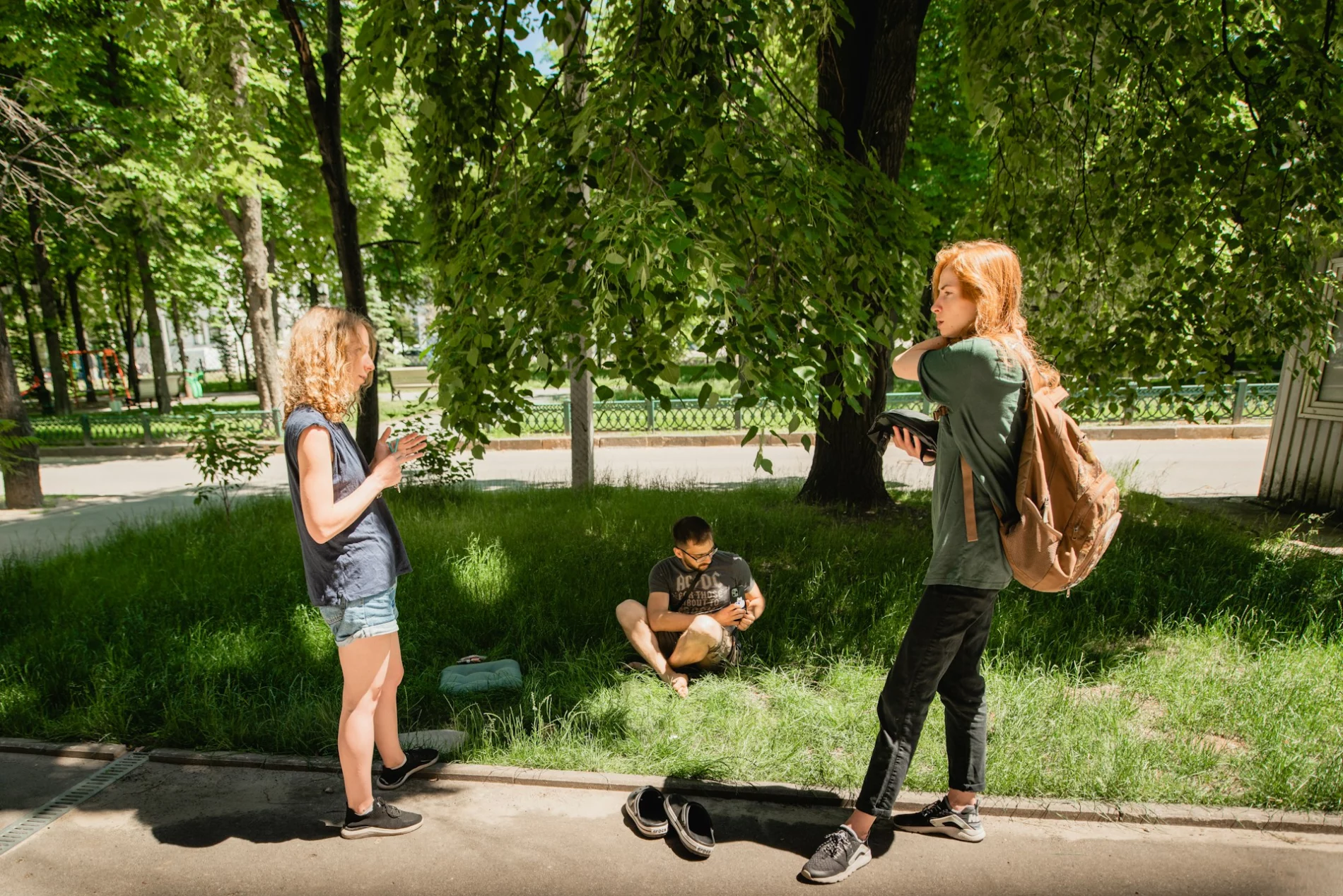
Photo: Dmitriy Frantsev / Unsplash
Participatory approaches like co-creation and co-authorship provide ways to conduct research which can challenge typical power dynamics. In this chapter, Safaya looks at definitions of co-design, co-production and co-dissemination practices, and considers what opportunities they offer for research.
Safaya analyzes examples of co-created and co-authored research from Australia, Hong Kong, England and Vietnam. The projects show different perspectives on the priorities, effectiveness and limitations of co-creation and co-authorship in practice. In particular, Safaya highlights where cultural shifts are needed to push back against dominant ideas of expertise and authority, and points to a range of barriers that may obstruct effective implementation of co-creation methods.
While there are challenges inherent in using these dynamic approaches, they are worth pursuing: the underlying values of transparency, equity and reflexivity promote the active involvement of different groups in conducting research. When done well – with genuinely balanced collaboration – co-created and co-authored research can have important ramifications for shaping just and fair societies.
Other publication / Why does creative and arts-based educational research matter? How does it contribute to larger conversations in environmental sustainability education?
Journal article / Data from surveys, interviews and written responses are used to explore the strategies used and challenges faced by organizers of citizen science events.
Journal article / Authors assessed the experiences of 87 citizen scientists in a project in Hong Kong. Their findings offer useful insights for citizen science implementation.