This review aims to illuminate the complex dynamics of EU accession decisions, providing valuable insights for policymakers, stakeholders and researchers working on the enlargement process.
The enlargement of the EU is an inherently political process, granting EU actors discretion over the pace of candidate countries’ accession. Despite their critical role, the factors influencing the decisions on the accession process are underrepresented in existing research literature on EU enlargement. To address this gap, the researchers conducted a comprehensive qualitative review of the literature discussing the accession processes of the “Big Bang” enlargement of 2004, the “Coda” enlargement of 2007, the accession of Croatia, and the ongoing processes involving the Western Balkans and the eastern “Trio” of Ukraine, Moldova and Georgia. From 76 reviewed studies, they identified 27 factors influencing EU candidacy and accession negotiations across different enlargement rounds.
These factors are categorized into four themes, with most serving as both facilitators and barriers depending on context. The reported findings indicate that normative and value-based factors are most influential at the beginning of the accession process, whereas economic concerns, member state interests and intra-EU political dynamics become predominant in later negotiations. Additionally, the authors observed significant variations in the influence of these factors across different enlargement rounds.
Project / Green Agenda supports Armenia, Moldova and Ukraine in their efforts to achieve climate neutrality through green transition.
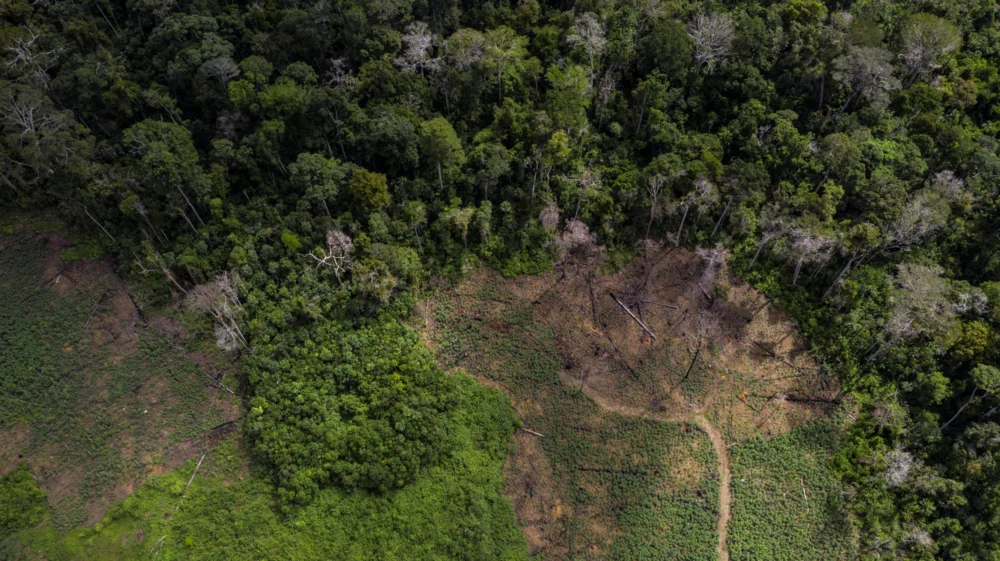
Press release / As El Niño intensifies across the Amazon, new research in Science highlights the urgent need to better protect the region’s remaining forests from disturbances.
Feature / Ukraine’s green recovery begins with documenting environmental destruction now -- essential to accountability, restoration and sustainable reconstruction.
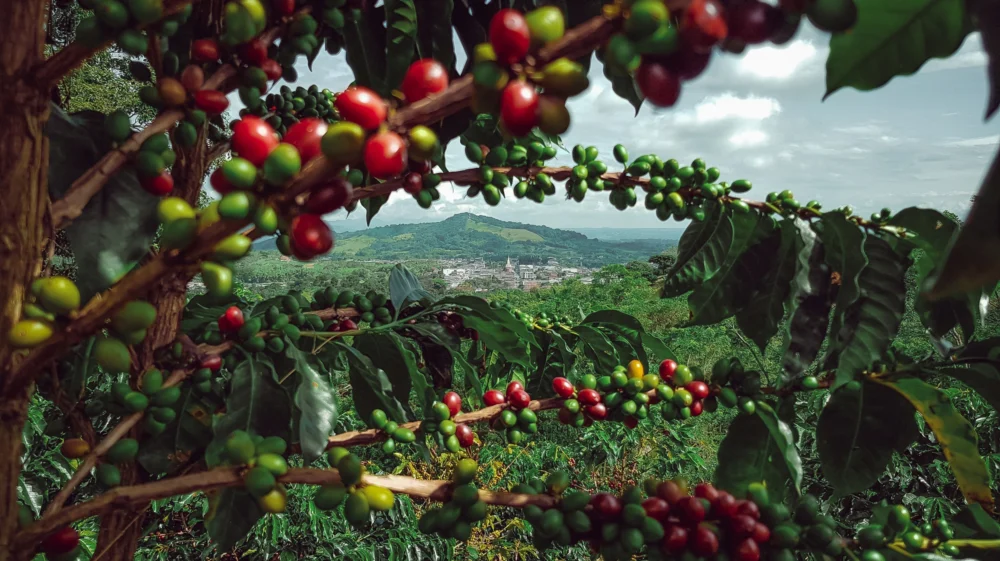
Feature / Trase identifies the leading coffee trading companies and estimate where traders and markets source coffee from within key coffee-producing countries.