Researchers linked the LIFE biodiversity metric with food consumption and production data to better quantify agriculture’s impacts on biodiversity and assess the potential of mitigation strategies. The biodiversity impact of producing different foods varies widely both across food types and within food types.
The study found that ruminant meat consumption was a critical factor in the per capita extinction impact of food consumption.
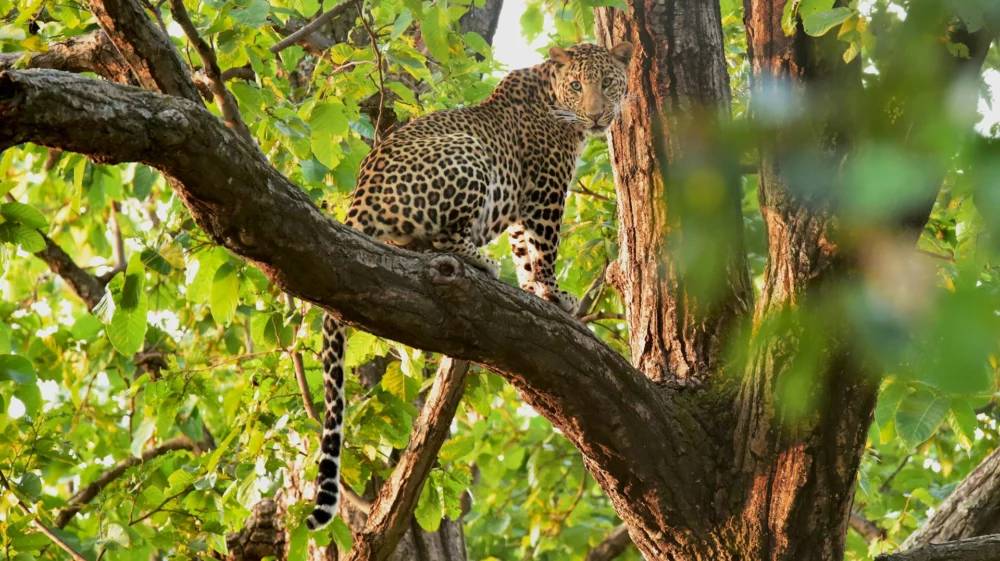
Photo: Shraga Kopstein / Unsplash
In this study, the authors combined information from the Land-cover change Impacts on Future Extinctions (LIFE) metric with national data on the consumption and provenance of 140 food types. They found that the impact of producing 1 kg of different food commodities on species extinction risks varies widely both across and within foods, in many cases by more than an order of magnitude. For example, the extinction risk impact of coffee produced in South America and sub-Saharan Africa is ten times greater than that produced in southeast Asia.
As well as assessing overall extinction risk impacts, the authors explored how consumption choices impacted extinction risk for six different countries: the United States, Japan, the United Kingdom, Brazil, Uganda and India. They found that ruminant meat consumption is a very substantial contribution to per capita extinction impact in every country, especially in the United States. A change in diet patterns holds considerable scope for reducing harm to nature.
As a general rule, the researchers found that animal products and commodities produced in tropical or sub-tropical regions have higher per kilogram impacts than those from temperate regions. Identifying this consistent pattern and others like it is critical to advance effective mitigation strategies for halting biodiversity loss.
Journal article / LIFE quantifies and maps the extinction risk impacts of land-cover changes, using data on over 30 000 vertebrate species.
Journal article / Reviewing the current strengths, challenges and future potentials of deforestation footprinting methodologies.
Journal article / Biodiversity metrics are complementary: research questions and indicator choice must be paired appropriately to draw the most useful conclusions.