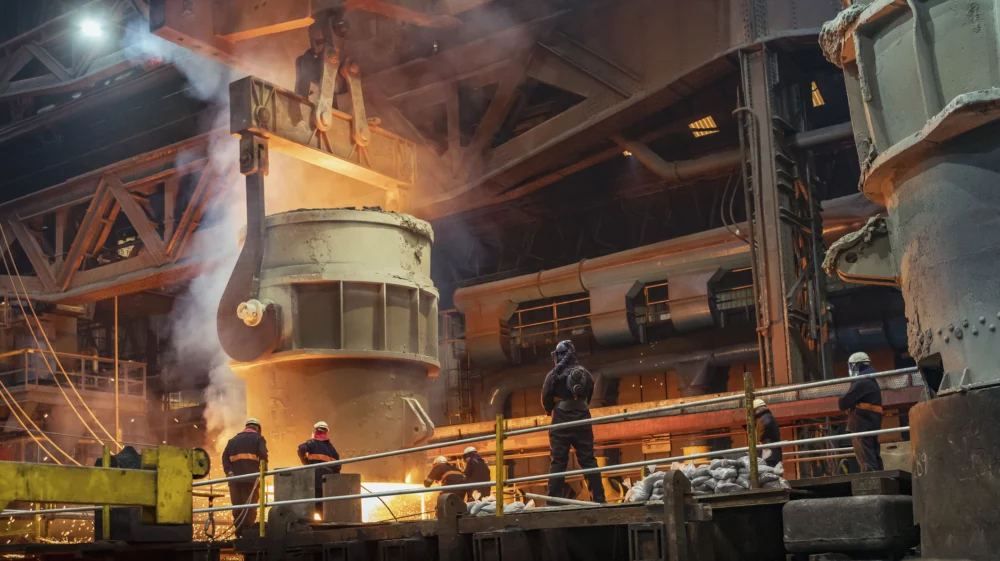
The Transforming Foundation Industries Research and Innovation (TransFIRe) project brought together over 40 investigators at 12 institutions with more than 130 companies, NGOs and governmental bodies. This major final report showcases the project’s achievements in identifying effective changes for long-term impacts.
Paper is one of the most difficult industries to decarbonize, along with steel and cement. This is due to extensive process heat, leading to significant levels of heat in exhaust flues or cooling waters.
Photo: baranozdemir / Getty images
The UK’s foundation industries contribute around 10% of the country’s CO2 emissions. The TransFIRe project has identified energy savings of up to 20% in the sector and has found that best practices could reduce CO2 emissions by up to 25%. Work conducted by the TransFIRe team and collaborators has already led to the diversion of 10 000 tonnes of waste from landfill in a three-year timeframe.
The report covers four key areas:
The report highlights, among other things, new tools for improving sustainability; co-designed business models; practical guidance on EDI strategies and other initiatives to develop the sector. The project participants and researchers have established a strong foundation for continued innovation and collaboration in the transition to a sustainable future.
SEI York researchers Steve Cinderby and Jean McKendree contributed to multiple chapters in the report, from their analysis of container glass reuse to exploring system-level policy approaches to decarbonizing the UK’s foundation industries.
The TransFIRe project was funded by UK Research and Innovation [Grant number EP/V054627/1].
Other publication / Researchers working with UKRI's Transforming Foundation Industries Research and Innovation Hub have collated findings and key messages from interviewees.
Journal article / Surveys show that industry stakeholders endorse moves to increase the percentage of remelted glass used, as well as supporting local refill and reuse schemes.
Other publication / This report analyses the net zero commitments of the world's top 50 steel producers.