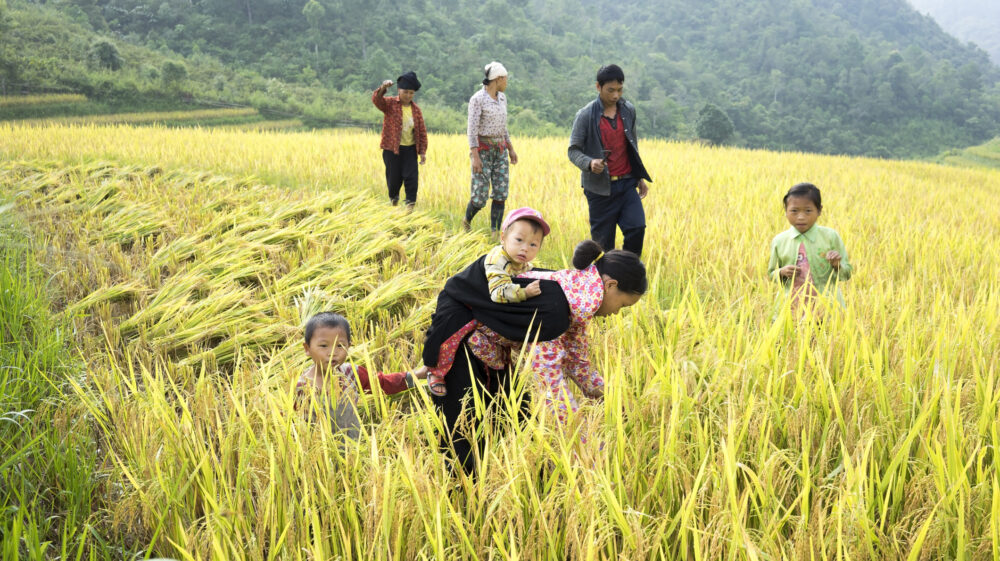
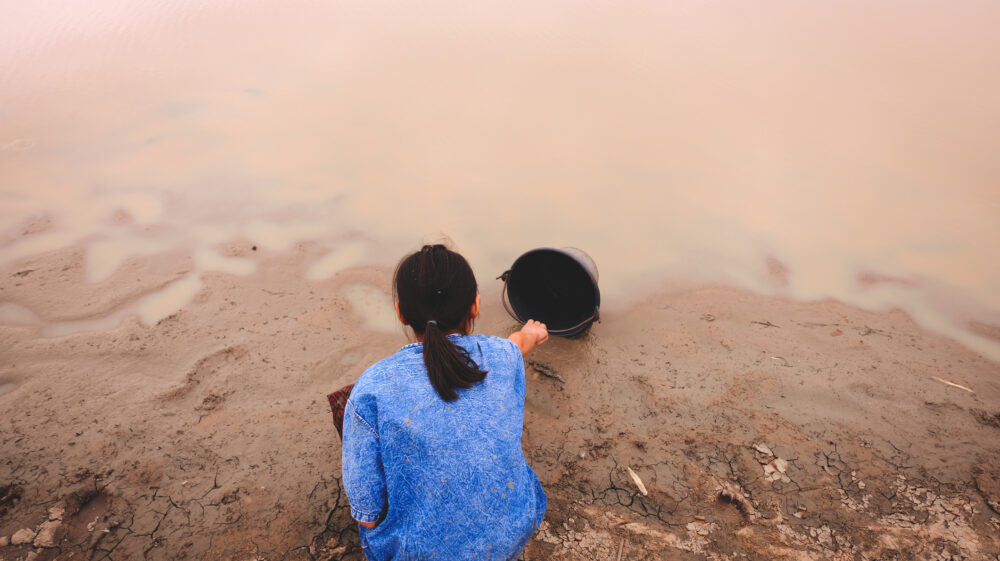
The increasing awareness of climate change impacts on mountains, mountain ecosystems, and mountain communities have started drawing attention to mountains during international debates. Policies that support adaptation to climate change in the mountains will not succeed unless they consider gender and how it interacts with other factors such as class/caste, ethnicity, and geography.
Climate change in combination with socioeconomic processes and opportunities have an especially severe impact on people living in remote mountain areas of the Hindu Kush Himalaya. What is less well known is how changes in climate will affect in the quality of lives, livelihoods, and resources of diverse groups of people of the region. The chapter argues that it is not only important but also necessary to link climate science and climate interventions with relevant contextual experiences of the different groups of people due their differential experiences and vulnerabilities. The chapter provides illustrative cases studies to demonstrate the differential experiences and vulnerabilities of women and men as a result of the dynamics of gender relations in the context of climate change.

Journal article / Gender and Caste Relations Amidst a Changing Political Situation in Nepal: Insights from a Farmer-managed Irrigation System
Other publication / The Routledge Handbook of Gender and Environment is reviewed by Andreea R. Torre, Research Fellow at SEI Asia.
Perspective / This year's Asia Pacific Adaptation Forum recognized gender in climate change adaptation, but many of its complexities have yet to be addressed.