SEI Africa Centre Director, Philip Osano, was featured in the 2024 Annual Trends and Outlook Report by the Regional Strategic Analysis and Knowledge Support System. In this edition, he discussed the business case for a bioeconomy in Africa, highlighting key dimensions such as economic stability, biodiversity richness, emerging biotechnology capacity, agricultural potential and progressive bioeconomy policies.
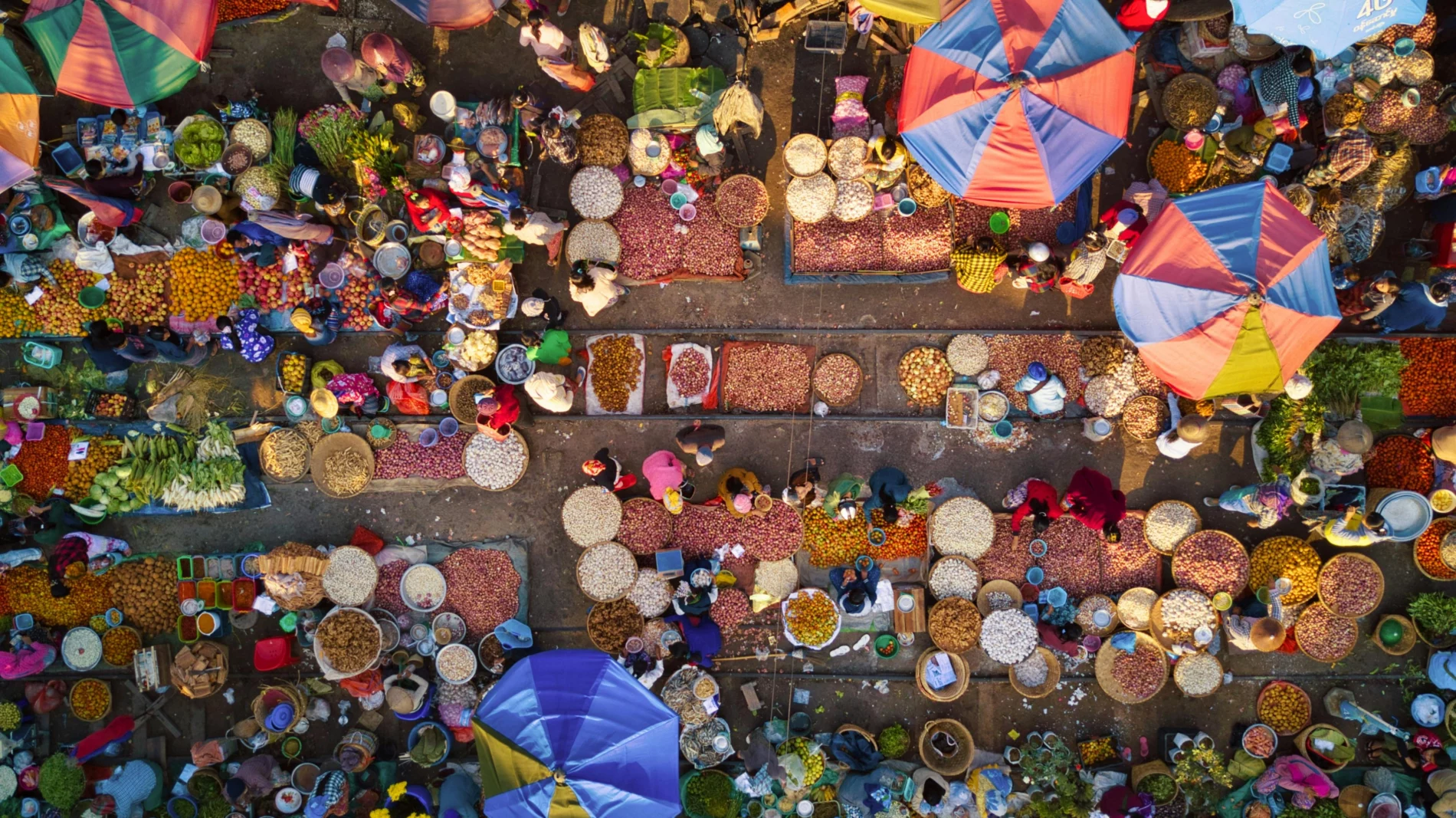
Photo: Tonywuphotography/Pexels
Recognition is growing that the development of a bioeconomy in Africa will increase the economic and social value of regionally traded, biologically based goods and services. These goods and services emanate from technologies and investments aimed at adding value to agricultural production; converting biological waste into useful material (thus promoting circular production); and connecting national, regional, and global biologically based value chains. Consequently, countries with a vibrant bioeconomy would arguably be the ones to fully participate in and benefit from the ACFTA.
Given its distributive nature, a bioeconomy will incentivize micro-, small and medium-size enterprises and the informal sector, which together make up a large part of the African economy. Therefore, African countries should develop bioeconomic clusters of innovation and entrepreneurial activities based on renewable biological resources and their unique needs and natural advantages. These efforts should culminate in what would become the African bioeconomy, connecting with the rest of the world.
Media advisory / Experts from SEI will be at CBD COP17 in Yerevan from 19–30 October and are available for commentary and analysis.
Media advisory / SEI invites journalists to a media briefing where its experts will share their perspectives on key topics ahead of the UN Biodiversity Conference (COP17).
Other publication / This is the third in a series of biennial status reports tracking progress in the region.