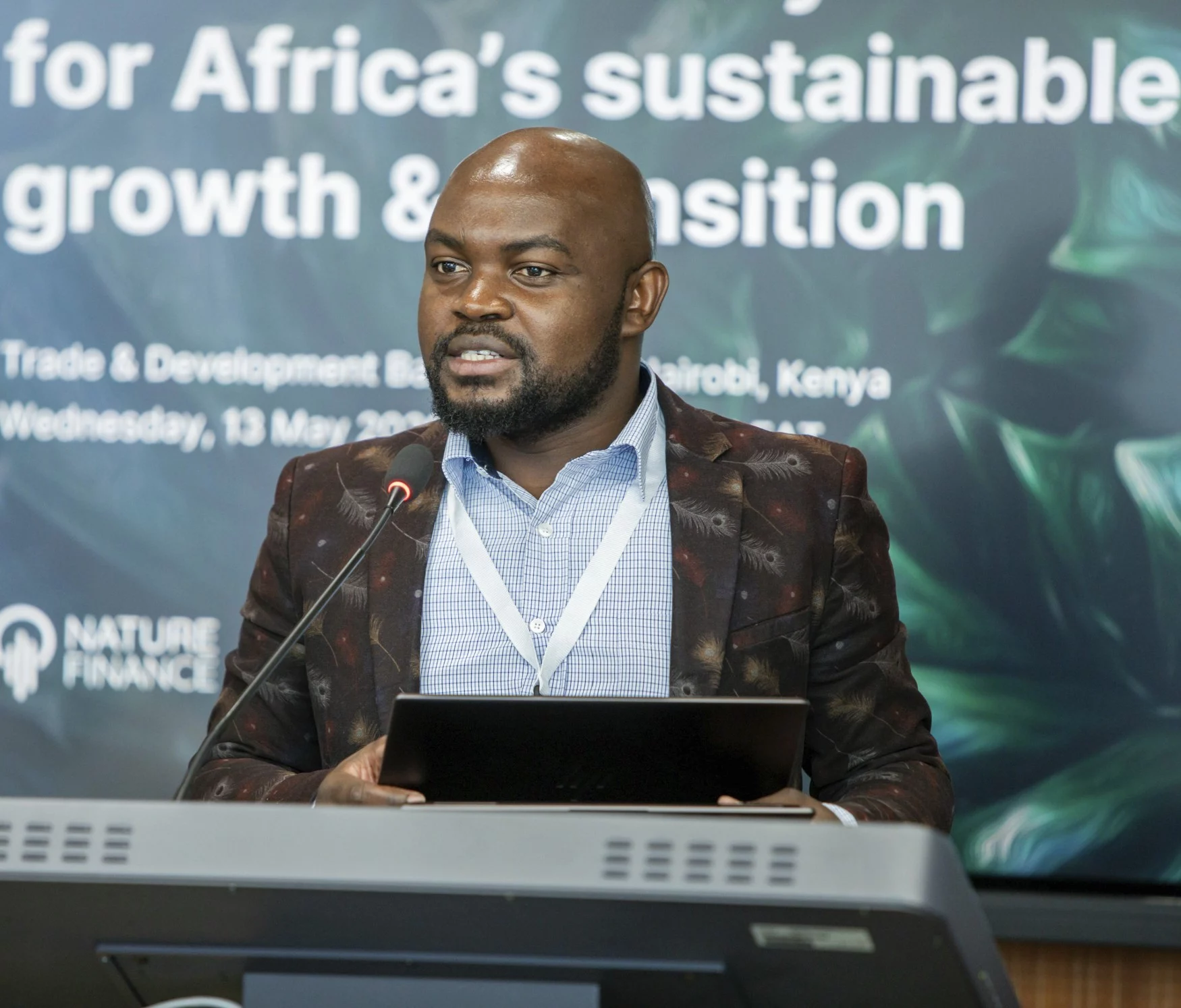
Africa’s bioeconomy could drive job creation, industrialization and climate resilience across the continent – but only if finance, knowledge and innovation system start moving in step. That was the central message from a convening in Nairobi on 13 May, which brought together policymakers, investors, researchers and development partners to ask how Africa can move beyond exporting raw biological resources.
The convening, hosted by the Trade and Development Bank Group, was organized by SEI Africa and NatureFinance. It focused on how Africa can transition from exporting raw biological resources to building competitive industries, value-added trade and sustainable growth – situated at the convergence of the G20 initiative on bioeconomy, the COP30 bioeconomy challenge, and Africa’s own green industrialization and resilience agenda.
Africa holds some of the world’s richest biological resources, with agriculture at the core of its bioeconomy. The opportunity, speakers noted, lies not only in production, but in moving up the value chain – from agricultural outputs to processed goods, biomaterials, bio-based products and regional trade.
Spanning sectors from biomaterials and bioenergy, to circular systems, agroforestry, and biotechnology, the bioeconomy offers a major opportunity to drive job creation, industrialization and climate resilience. But realizing it will depend on two shifts: from extraction to value creation, and from fragmented interventions to coordinated systems that link production, processing, finance and markets.
Financing emerged as a key driver – but not in the way you might expect. Discussions revealed that capital is not the primary constraint. The real challenge is the lack of investment-ready pipelines, coordinated project development, and alignment between finance and the realities of bioeconomy value chains.
Participants called for financing models that reflect African realities, particularly the needs of smallholder farmers, who are the primary actors in agricultural value chains. They also pointed to the importance of integrating science, innovation and data systems to improve the investment-readiness of bio-enterprises and help financial institutions evaluate risks more efficiently.
Equally important, speakers said, are approaches that reduce risk across bioeconomy value chains to attract private investment.
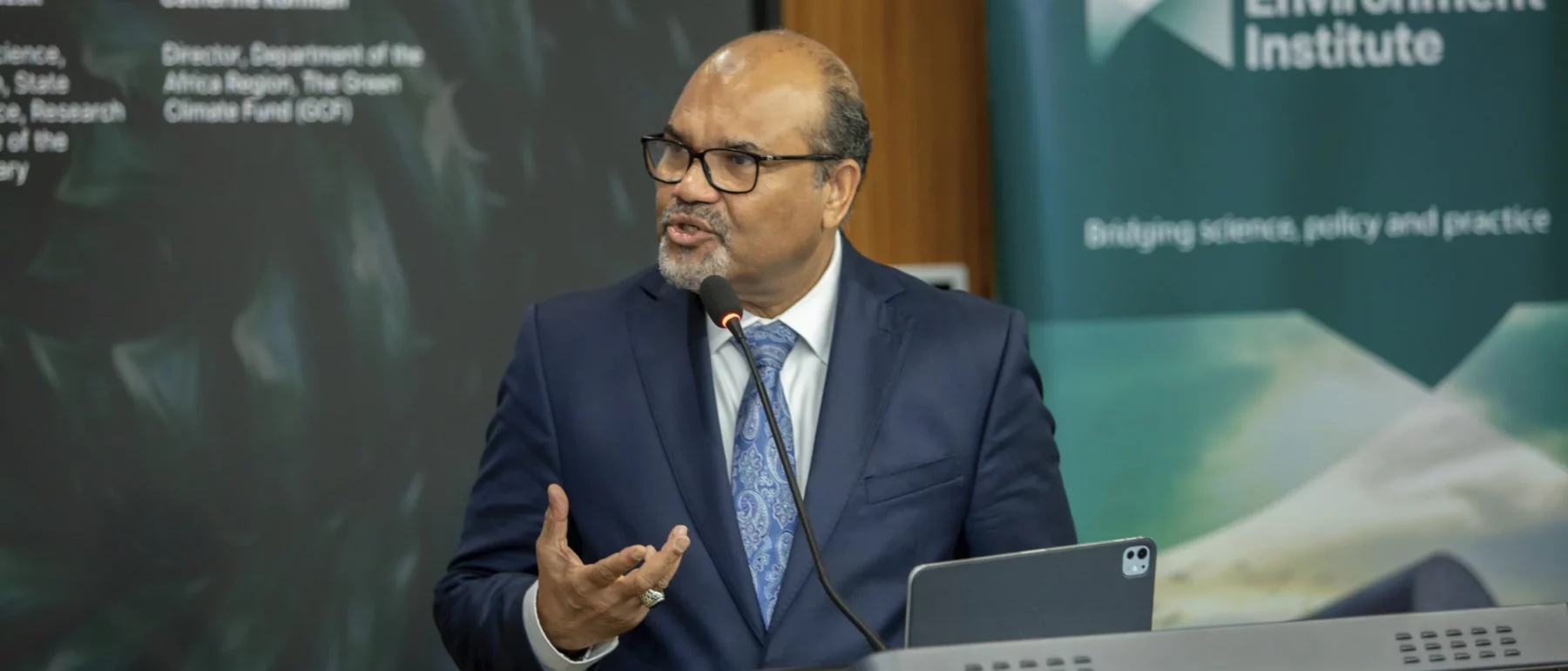
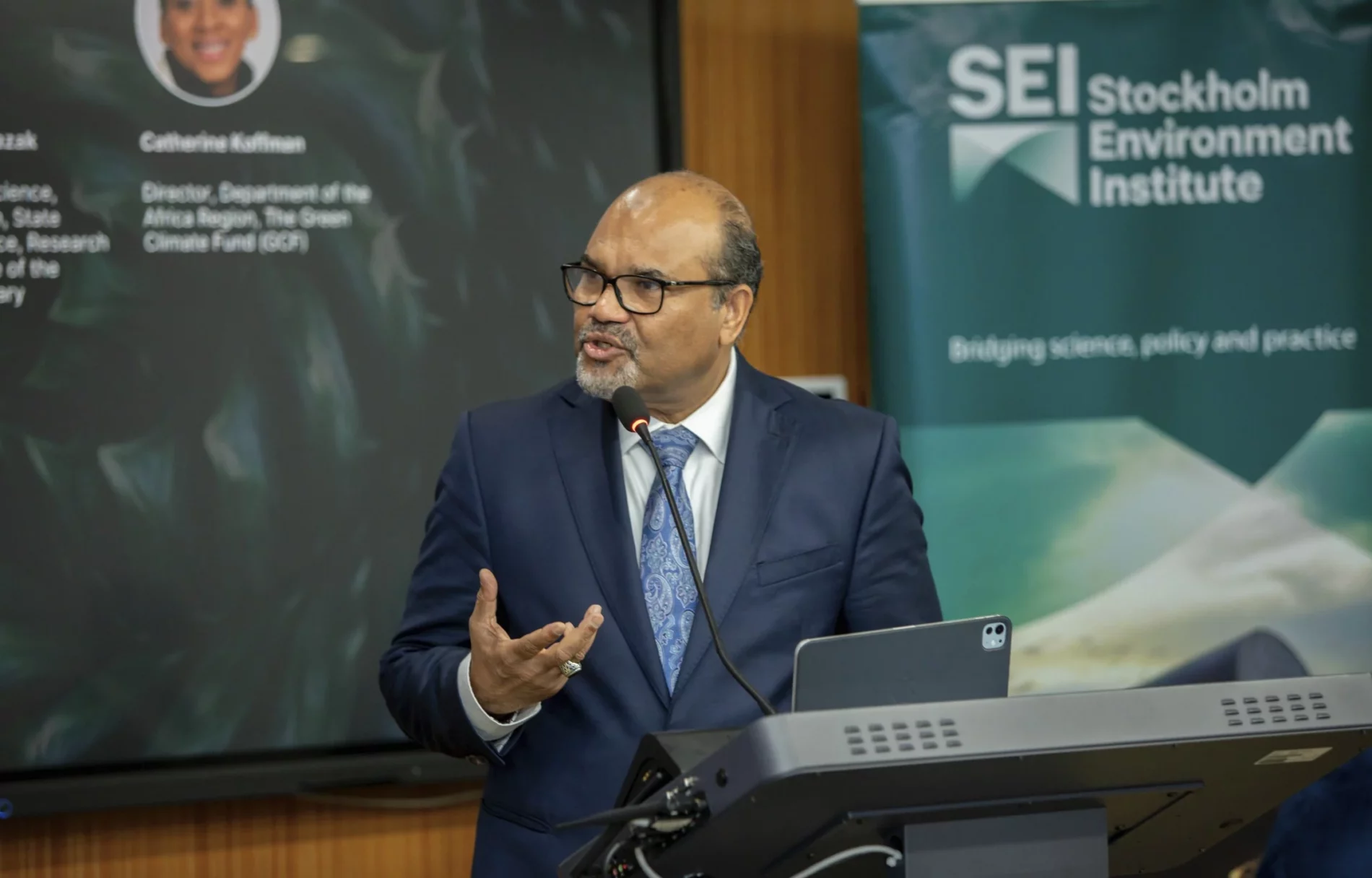
We should not view climate finance simply as projects but as bankable and scalable programs, and bioeconomy provides exactly that.
Catherine Koffman, Director, Department of the Africa Region at the Green Climate Fund (GCF)
Catherine Koffman, Director, Department of the Africa Region at the Green Climate Fund (GCF)
Photo: NatureFinance
Prof. Shaukat Abdulrazak, Kenya's Principal Secretary for Science, Research and Innovation under the Office of the Prime Cabinet Secretary
Photo: NatureFinance.
Despite growing investment in research and data, a persistent gap remains in translating knowledge and innovation into commercial outcomes. Roughly 91% of Africa’s biomass is discarded, while only about 9% is processed or enters formal markets.
To unlock that 91%, knowledge and innovation were identified as primary drivers. The convening showcased ongoing efforts to enhance research, develop skills and promote regional collaboration through initiatives such as the National Bioeconomy Education and Policy Framework (Bio-KE) and SEI’s Advancing Bioeconomy Development in Kenya (ABDK) project.
At the same time, learning institutions were challenged to reposition themselves as catalysts for economic transformation, shifting from a “publish or perish” approach towards an “innovate or perish” model that places entrepreneurship and private-sector collaboration at the centre of learning.
Yet even with stronger data systems and research, applying that knowledge remains a major challenge for smallholder farmers and bio-entrepreneurs. Closing the gap will require investment in capacity strengthening, skills development and support systems that bridge research and implementation. This includes closer alignment between research institutions and industry, targeted support for early-stage enterprises, improved technology transfer and incubation platforms, and stronger market linkages to enable scale.
Policy fragmentation remains a major constraint – not just across countries, but within them. Bioeconomy value chains often span multiple ministries, regulatory systems and approval processes that are not fully aligned.
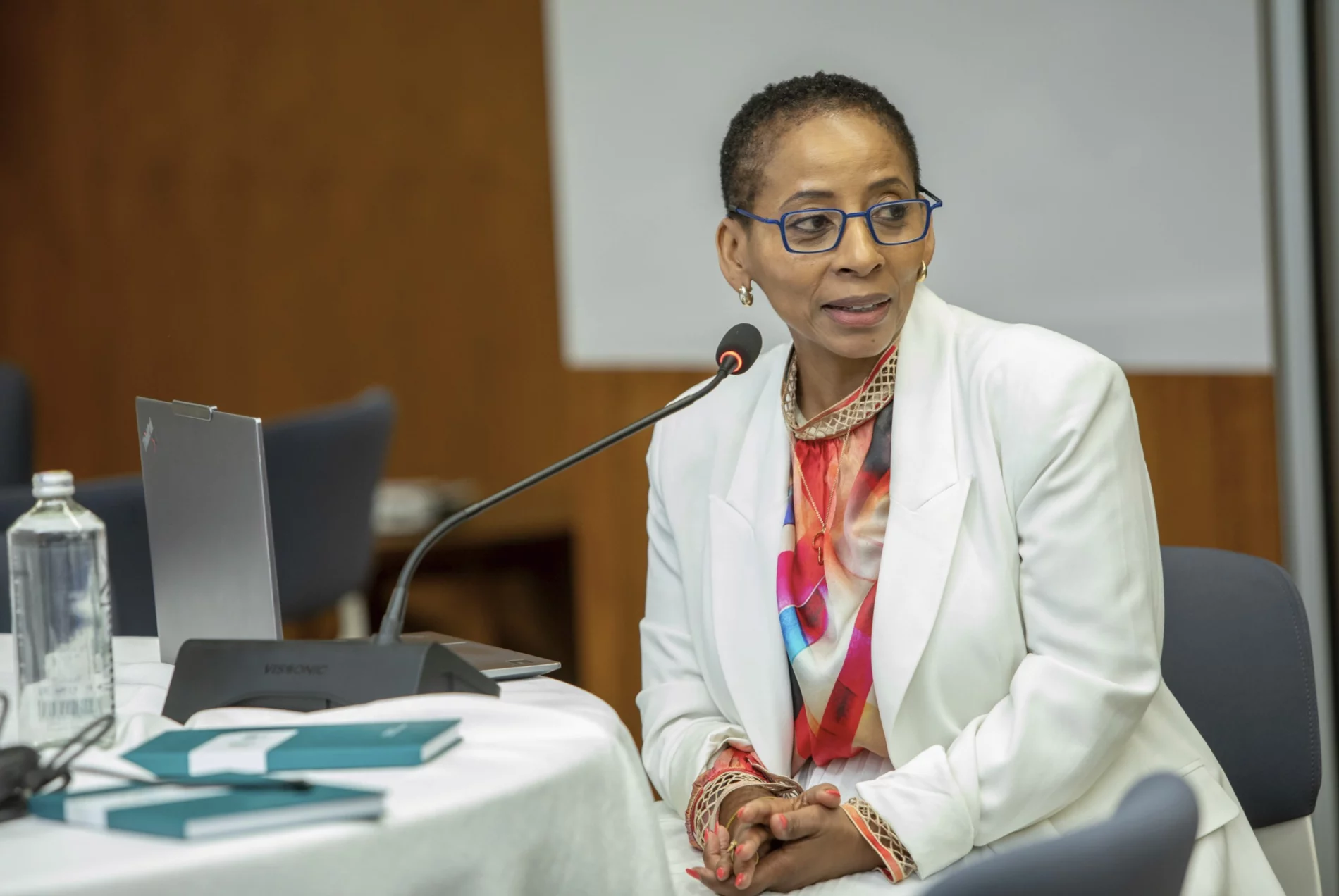
“Finance is like water. It takes the least resistant path,” said Theresa Reisch, Senior Manager, Nature Finance FSD Africa, highlighting how misaligned or unpredictable policy environments can deter investment, even where opportunities are strong.
“Without policy coherence, even the most promising bioeconomy opportunities may struggle to attract financing,” she added.
Speakers emphasized the need for Kenya and Africa o develop national and regional strategies that align sectors, institutions and investment priorities. Kenya is already responding by developing a national bioeconomy strategy anchored in the East African regional bioeconomy strategy, developed by the East African Community (EAC) in 2022.
Bioeconomy development requires coordination across agriculture, trade, industry, energy and finance – linking production systems to processing, standards and market access. In practice, fragmented regulations, duplicative certification processes and inconsistent standards continue to limit the ability of businesses to scale across borders. Stronger alignment with regional frameworks such as the African Continental Free Trade Area (AfCFTA) will be critical to unlocking scale, enabling cross-border value chains and improving market access for bio-based products.
Bioeconomy cuts across agriculture, health, trade, finance, energy, industry and many other sectors. No single ministry, institution or country can deliver this transformation alone.
Prof. Shaukat Abdulrazak, Principal Secretary for Science, Research and Innovation under the Office of the Prime Cabinet Secretary
SEI Africa's Centre Director, Niall O´Connor
Photo: NatureFinance
SEI Africa's Cluster Lead for Natural Resources, Alphayo Lutta
Photo: NatureFinance
Not all growth in the bioeconomy is harmless. Poorly designed bioeconomy systems may cause biodiversity loss rather than help reverse it, and a bioeconomy that depletes biodiversity could jeopardize climate goals and long-term economic stability.
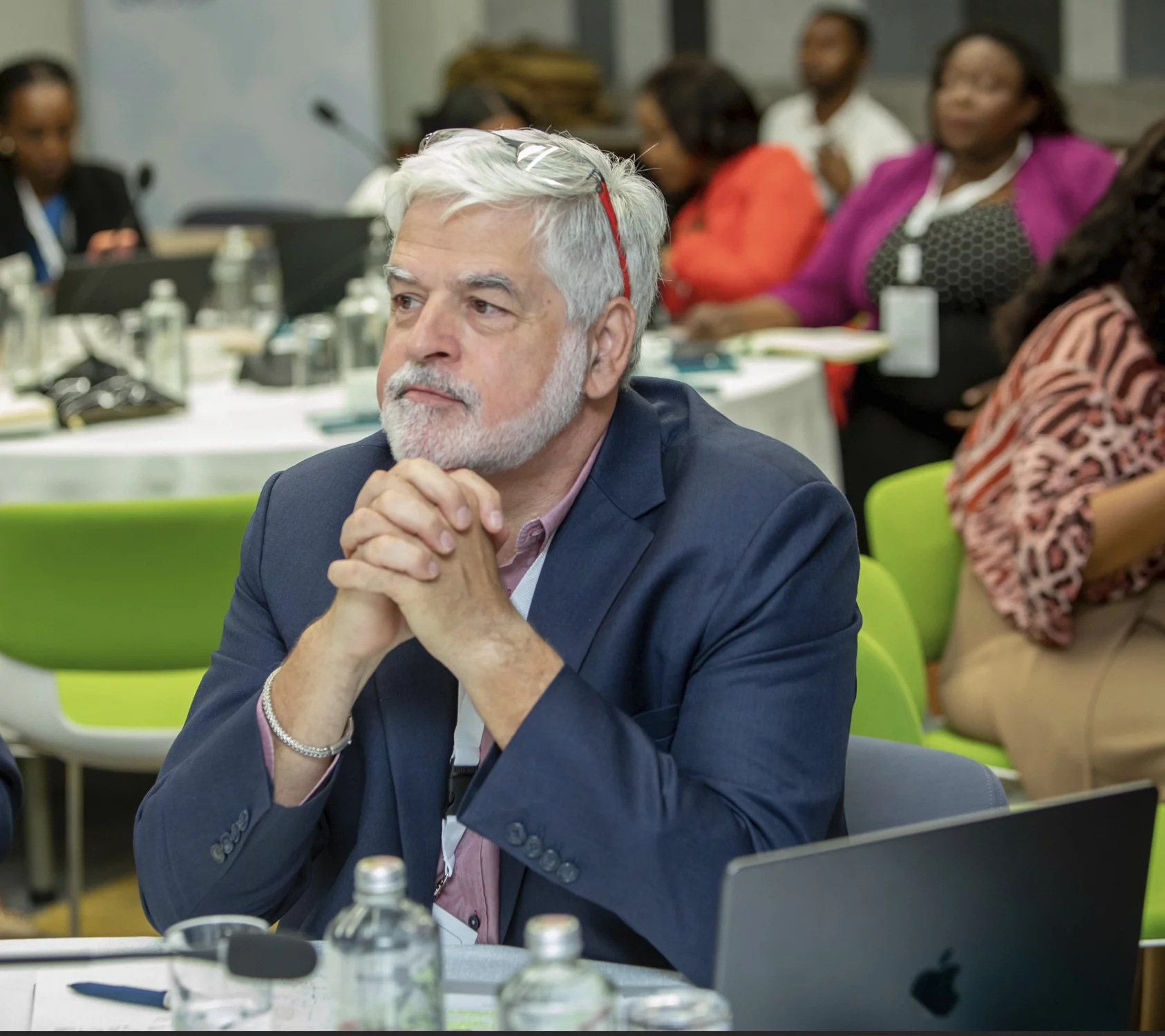
“Without biodiversity, there is no bioeconomy. If we have a bioeconomy that depletes biodiversity, we are simply mining the foundations of our own future,” said Fiona Napier, a Senior Advisor at NatureFinance.
Ensuring that value creation does not come at the expense of ecological integrity will be critical to the long-term viability of the sector.
The convening identified seven priorities for advancing Africa’s bioeconomy:
Project / This project aimed to promote partnerships between Kenya and Sweden bioeconomy private sectors.
Media coverage / SEI’s Alphayo Lutta emphasizes that one way Kenya can reduce its vulnerability to global oil disruptions is to give greater attention to its bioeconomy.
SEI working paper / The authors distil useful insights regarding sustainable use of bioresources and their transformation into bio-based products in this working paper.