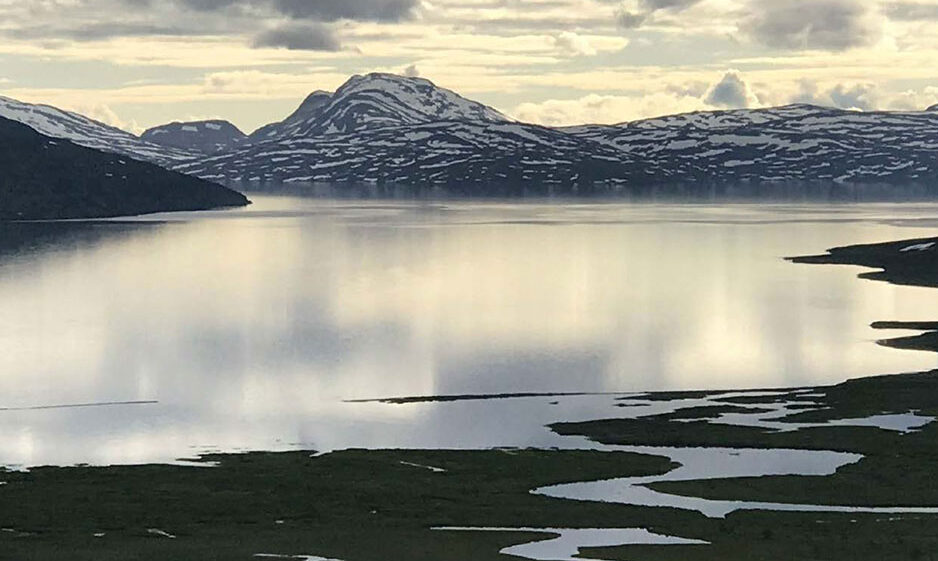
The Wetlands in Sápmi project seeks to strengthen understanding of wetlands’ role in the reindeer husbandry of forest Sámi communities by engaging with both Indigenous knowledge and conventional research methods.
Reindeer herding is a cornerstone of Sámi culture and identity. It is part of a rich set of their livelihoods, practiced in concert with nature, in which wetlands play an important role. Wetland ecosystems and reindeer husbandry form a social-ecological system that integrates social, cultural, ecological and economic values. Yet this way of life has been subject to multiple disturbances that place its future at risk.
Wetland ecosystems are important for forest Sámi communities; they also provide important ecosystem services to other communities at scales from local to global. Arctic wetlands store an estimated 20% or more of the world’s stored carbon, making them the planet’s single largest regional carbon storage. The degradation of these ecosystems jeopardizes benefits to local communities and wildlife and accelerates climate change.
Participatory topological mapping (PTM) is a tool for the participants to communicate land use and build on the knowledge holders’ observations of change over time. It complements conventional mapping by highlighting dynamic social-ecological relationships.
Project / Strengthening engagement on the roles and functions of wetlands to support sustainable development and resilience in the Arctic.
Perspective / Effective stewardship of Arctic wetlands, including conservation and restoration efforts, can buy time by contributing to climate mitigation and adaptation.
SEI brief / Why are Arctic wetlands so important? This brief discusses why and presents a new project that will recommend ways to preserve these unique environments.
Other publication / The authors present key findings and policy recommendations to protect Arctic wetlands, as wildlife habitats, carbon storage and more.