Over 200 000 tons of sewage sludge are produced in Sweden each year, but only about a third of this is spread on agricultural land. This article explores the perspectives of different Swedish stakeholders on, and the resistance to, the spreading of sewage sludge on farmland.
To spread or not to spread sewage sludge on agricultural land in Sweden remains the subject of a highly polarized debate among different stakeholders in the Swedish agricultural sector.
This article presents insights on how stakeholders in Sweden see and explain the potentials and safety of spreading sewage sludge on agricultural land. This is done by drawing on risk perception literature and qualitative research methods.
The findings reveal that fear of contamination and feeling of disgust are major deterrents of the use of sludge as an agricultural input. These are partly explained by unknowns and unfamiliarity about risks of unwanted substances in sludge.
The study shows that while actors engaged in the practice amplify benefits of sludge as a resource and reiterate the need for emphasis on upstream measures including improved risk management systems, actors in charge of controlling toxins in society amplify actual and potential risks, highlight gaps in monitoring and minimizing risks, and would rather have a complete ban on the practice.
This study highlights the complex combination of technical, environmental, socio-economic, psychological, and political factors influencing judgment and decision-making regarding sludge and its use as fertilizer in agriculture and concludes that the clash between facts and feelings which epitomizes the Swedish sludge debate may have implications for public trust and effective risk communication.
As contribution to the Swedish sewage sludge debate, this study emphasizes that the benefits of sludge in agriculture is important but not enough to drive the practice to scale. It is even more important to improve understanding on the controllability and severity of risks in short and long-term.
Project / BONUS RETURN – reducing emissions by turning nutrients and carbon into benefits. The project focuses on turning waste into circular solutions for the Baltic Sea
Project / This project analyzes Swedish citizens’ beliefs, attitudes and policy preferences for wastewater reuse and land application of sewage sludge.
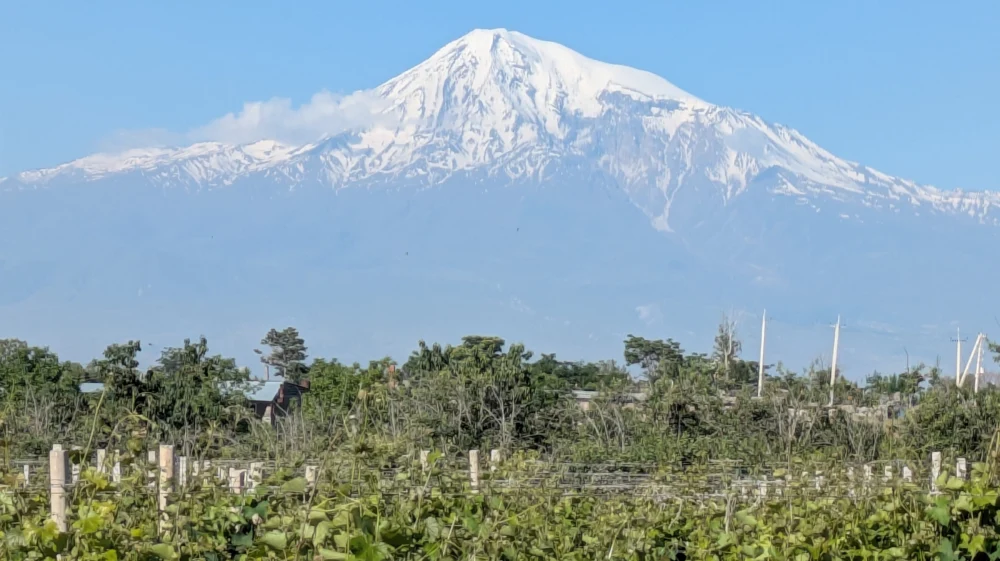
Event on 28 October in Yerevan / Armenia faces waste disposal challenges alongside potential for resource recovery. We explore how to recover valuable resources and reduce pollution.
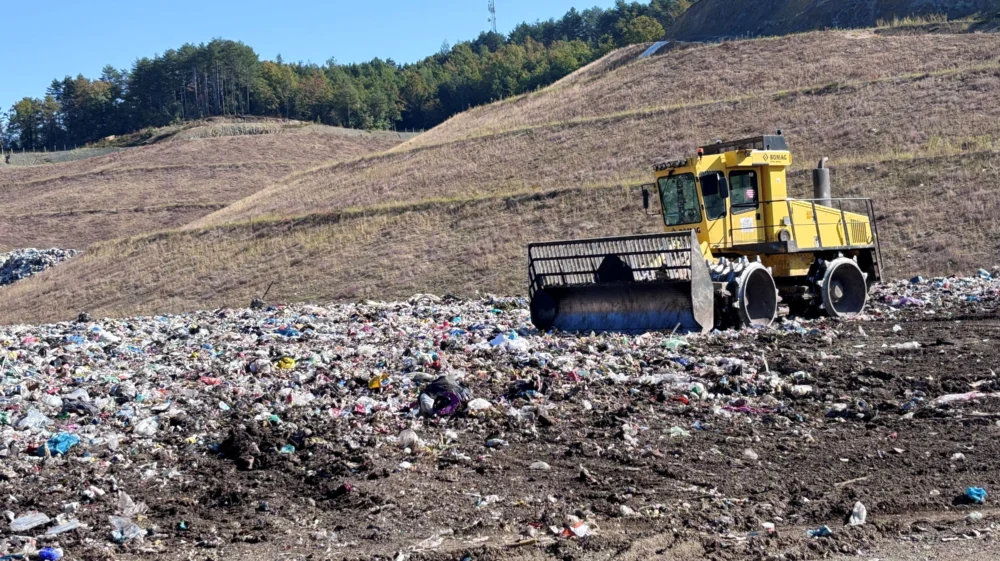
Feature / What can a study on household waste in Bosnia and Herzegovina (BiH) teach us about driving change across the wider Western Balkans?