This article presents a new dynamic model that simulates the spatiotemporal effect of fuelwood harvesting on the landscape vegetation and accounts for savings in non-renewable woody biomass from reduced consumption.
The extraction and burning of woody biomass at rates exceeding re-growth results in net emissions of CO2. However, the authors argue that broad generalizations about the impacts of this are inherently misleading, because patterns of woodfuel supply and demand, and impacts on vegetation vary greatly from place to place. In addition, vegetation responds to disturbance in ways that may impact harvesting practices, changing species preference, extraction sites, and volumes extracted.
A robust and widely applicable method for quantifying the amount of non-renewable woody biomass is urgently needed for a wide variety of applications, including cookstove carbon-offset projects, national GHG inventories, and sustainable forest management strategies under REDD+.
The authors developed “Mofuss” (Modeling fuelwood savings scenarios), a dynamic model that simulates the spatiotemporal effect of fuelwood harvesting on the landscape vegetation and that accounts for savings in non-renewable woody biomass from reduced consumption. They tested the model in western Honduras. Mofuss represents real-life situations more closely at the landscape level regarding traditional fuelwood harvesting for residential purposes, but further improvements are needed to integrate other common patterns and process associated with fuelwood supply and demand.
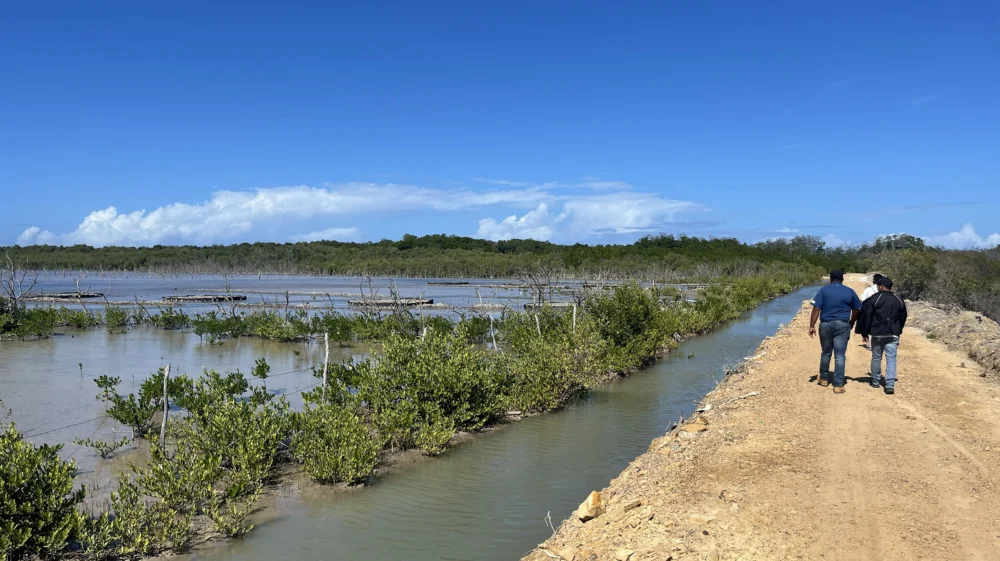
Feature / Mangroves are returning to Montecristi, where an SEI-led living lab is piloting a comprehensive restoration approach.
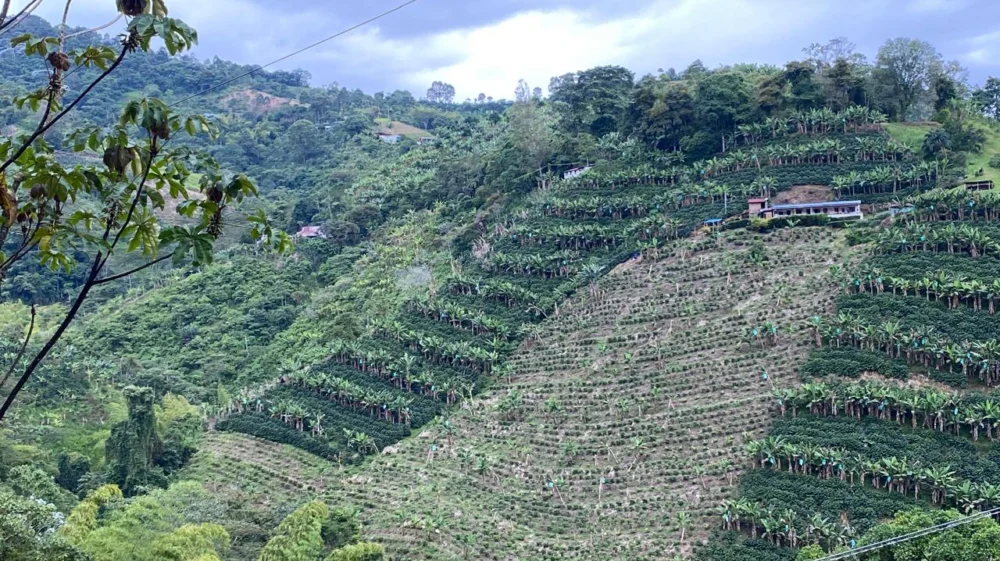
Feature / Coffee grower José María González Salazar is trying to preserve trees and crystal clear water through agroecology and multifunctional landscapes.
Media advisory / SEI invites journalists to a media briefing where its experts will share their perspectives on key topics ahead of the UN Biodiversity Conference (COP17).