This report examines current governance gaps and outlines coordinated regional and global responses to ensure that electrification supports a just transition, with regard to e-waste and battery recycling.
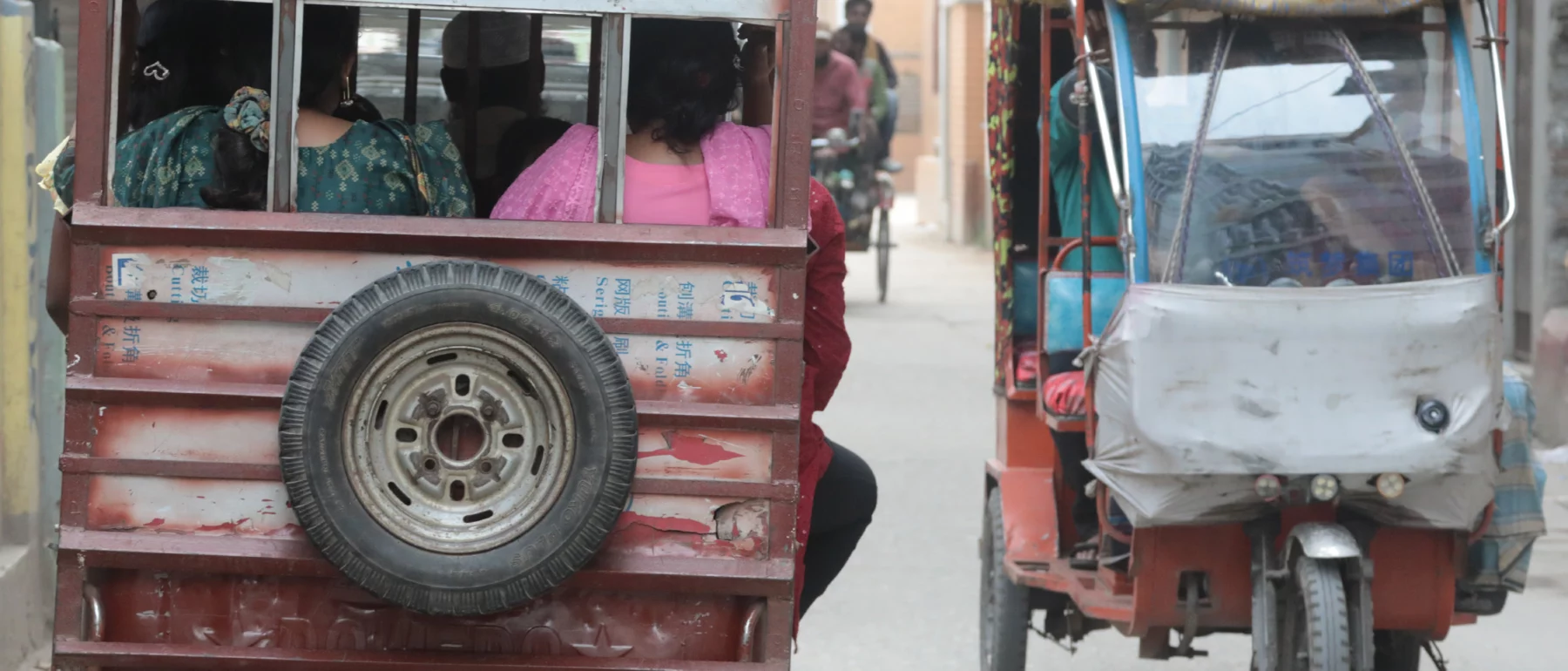
Electric vehicle (EV) batteries are becoming one of the fastest-growing and least-governed waste streams globally. While Global North (classified by UN Trade and Development, UNCTAD) markets are building formal lithium-ion recycling systems, many Global South markets still rely on cheaper but highly toxic lead-acid batteries for low-cost mobility. This creates unequal environmental and human health risks, especially where informal recycling dominates and regulation is weak. Using literature and global trade data, we show that lead-acid batteries still dominate by traded weight, despite rapid lithium-ion growth. Without stronger global coordination on battery traceability, recycling and producer responsibility, electrification risks deepening environmental injustice rather than delivering a just transition.
One-SEI program / SEI advances fair, inclusive, and low-emission transport solutions worldwide, bridging global insights with local action for a just mobility transition.
Other publication / The 9th ASEAN Energy Outlook explores three energy scenarios through 2060, six policy directions and pathways to strengthen regional energy security.
Past event / SEI's Francis X. Johnson joins a Global Bioeconomy Summit 2026 panel on how biofuels can accelerate a sustainable bioeconomy.
SEI working paper / This SEI working paper analyses the role that financial guarantees may play in supporting renewable energy provision in underserved humanitarian contexts.