Editor’s choice
Editor’s choice
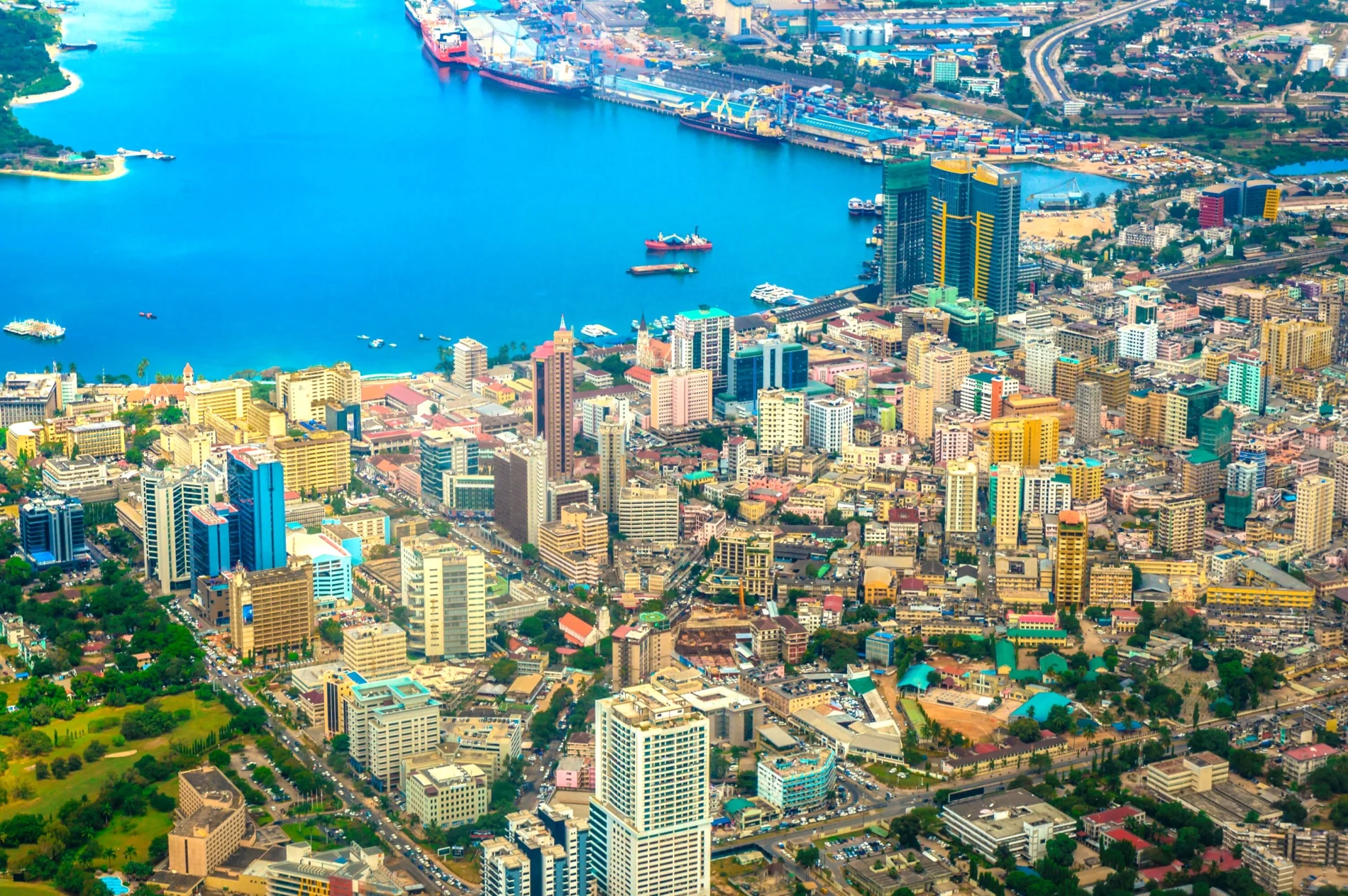
Dar es Salaam is the main commercial and industrial hub of Tanzania, hosting a high concentration of trade, services, and manufacturing activities, and is therefore considered an air pollution hotspot. For the air pollution baseline study reported here, the city installed 14 sensors to measure air quality in real time by tracking the amount of harmful particles in the air, PM2.5 and PM10, from May 2021 to February 2022.
Dar es Salaam, Tanzania
Photo: Peter Mitchell / Unsplash
Preliminary air pollution data from some African countries shows that the amount of harmful particles in the air, measuring 2.5 and 10 µm (PM2.5 and PM10), is much higher than the World Health Organization guidelines of 25 µg/m3 and 45 µg/m3 for 24-hour observations, respectively. In Dar es Salaam, the authors’ results showed that the daily levels of air pollution measured in different areas such as traffic-heavy roads, industrial zones, residential areas, and near dumpsites ranged from 11.79 to 130.45 µg/m3 for PM2.5, and 14.23 to 184.15 µg/m3 for PM10.
The highest pollution levels were recorded at Pugu Dampo, a dumpsite, while the lowest levels were found at Kigamboni, a rural residential area. Overall, dumpsites had the worst air quality, followed by industrial areas, then busy roads, and lastly residential areas. This means people living in these areas, especially near dumpsites and factories, could be facing serious health risks due to poor air quality.
To protect public health, the authors of the publication recommend that government agencies:
Project / The purpose of this project is to support Dar-es-Salaam City Council by creating an estimate of current baseline air pollution characteristics in the city
Past event / This policy dialogue brings together stakeholders to discuss the status of air pollution and propose strategies to improve air quality in Tanzania.
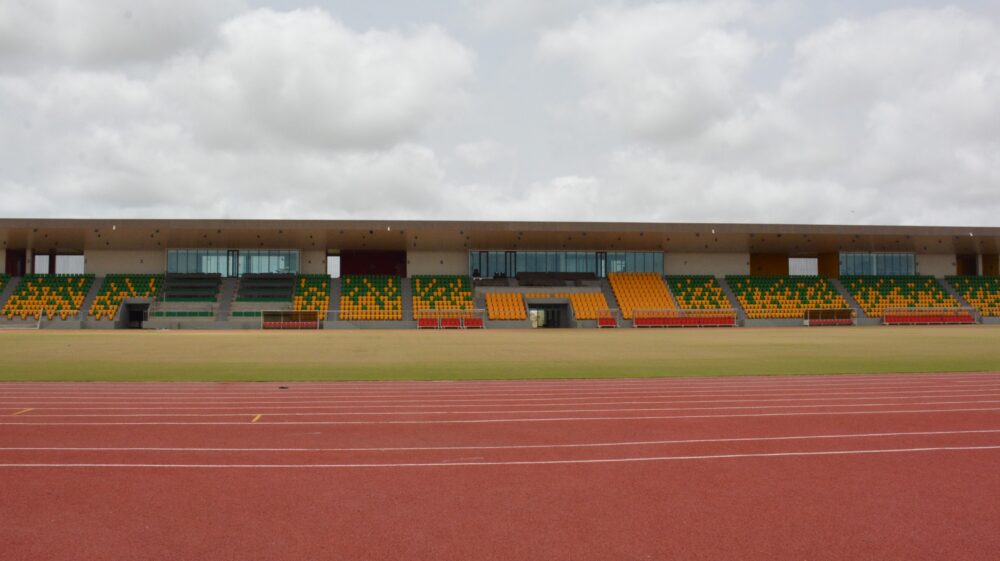
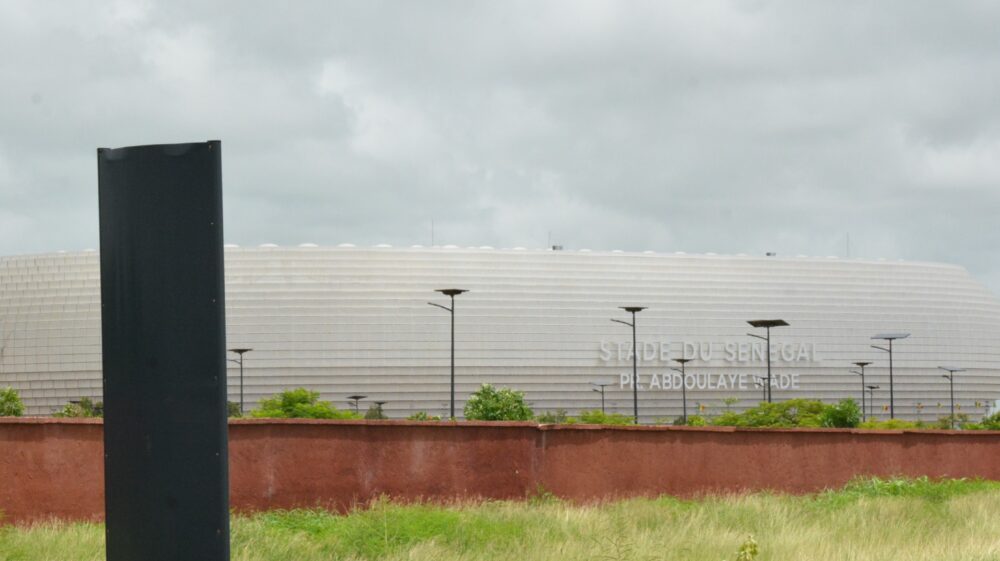
Media coverage / As Senegal pushes for sustainable sports in Africa by installing stadium air monitors, Philip Osano discusses Africa's response to air pollution with Quartz.
Media coverage / In an article in the Nation, SEI Africa Centre Director Philip Osano says SEI has provided data on air quality and climate action in Africa for decision-making.