Per capita carbon dioxide emissions vary dramatically among U.S. states, from a high of 76.5 mT CO2 in Alaska to a low of 12.2 in Vermont. This article seeks to identify the underlying causes and possible policy interventions.
Using data on energy-related CO2 emissions and correcting for interstate electricity sales, we find several factors can lead to higher emissions: Sparsely populated states with low gasoline prices and little public transportation use have high transportation emissions. States where oil is a common heating fuel, the average income is high, and the climate is cold have high emissions from residential heating. States that generate much of their power from coal and have a hot, humid climate and low electricity prices have high residential electricity emissions. The key policy variables we identify are the prices of gasoline and electricity, and public transportation use.
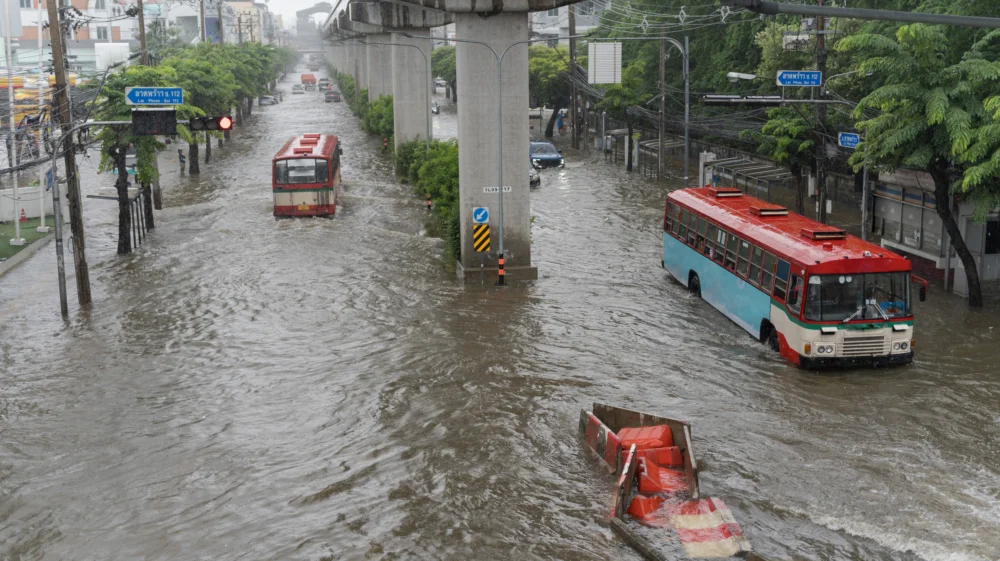
Perspective / Flooding in Bangkok in late September exposed a critical gap: forecasts identified the threat days in advance, warnings and preparedness did not translate fast.
Event on 08 December / In this fourth CS Co-labs discussion session we will explore the use of digital tools in different aspects of citizen science projects.
Media advisory / SEI invites journalists to a media briefing where its leading experts will share their perspectives on the major themes shaping COP31.