Photo: SEI
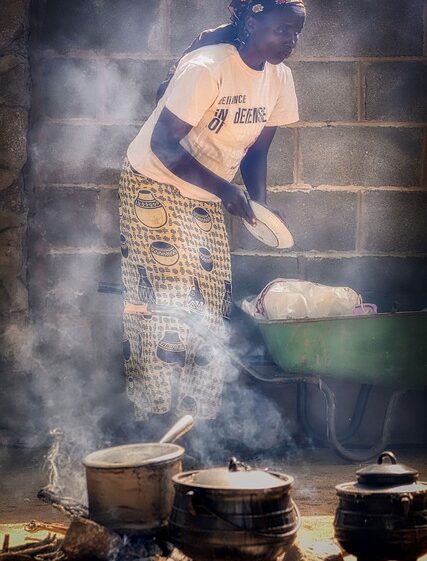
Around 2.4 billion people use biomass fuels - wood, charcoal and animal dung - for their domestic energy needs. These are typically burned in inefficient stoves or on open fires, with serious consequences for health and the environment. SEI identifies and designs actions to help households transition to cleaner technologies and energy sources.
259 results / 9 of 29 pages
Media coverage / Russia's invasion of Ukraine plunged Europe into an energy crisis. But it provides a chance to spark the green economy, Jindan Gong tells Podcast and Business.
Perspective / Russia has caused an energy crisis for Europe. SEI Research Associate Jindan Gong says this opens the door to a green energy transition across the EU.
Perspective / This perspective examines the implications of the global cost-of-living crisis and whether surging prices will speed up or delay a green energy transition.
Other publication / This report by the International Renewable Energy Agency gives an update of the latest climate commitments on renewable energy targets.
Perspective / As Indonesia promises a zero-carbon economy by 2060, SEI suggests 5 principles essential for implementation in policy for Indonesia’s just coal transition.
Feature / SEI played a leading role in a partnership to develop a Regional Bioeconomy Strategy for East Africa, the first of its kind for the continent.
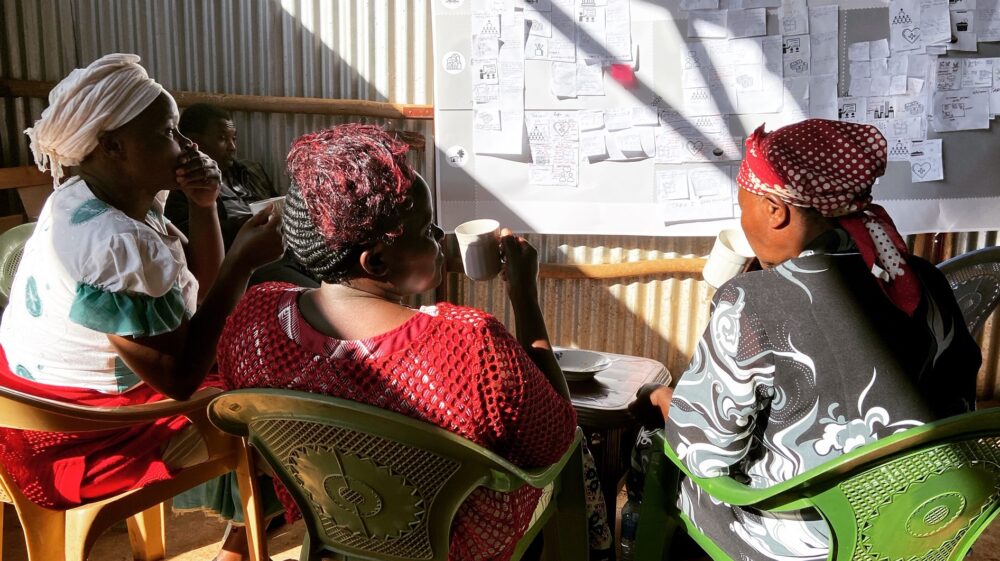
Feature / SEI partnered with an off-grid community in Kenya to co-design a 10-year roadmap towards electricity-powered cooking. Local people set out their vision.
Past event / On 1 January 2023, Czechia will hand over the Presidency of the Council of the European Union to Sweden, which holds its reigns once again for the third time.
Media coverage / SEI Africa energy expert Carol Mungo speaks to "The Star" and "The Daily Nation" on a new study that found Nairobi slums recording high household air pollution