Editor’s choice
Editor’s choice
Photo: Joanne Francis / Unsplash
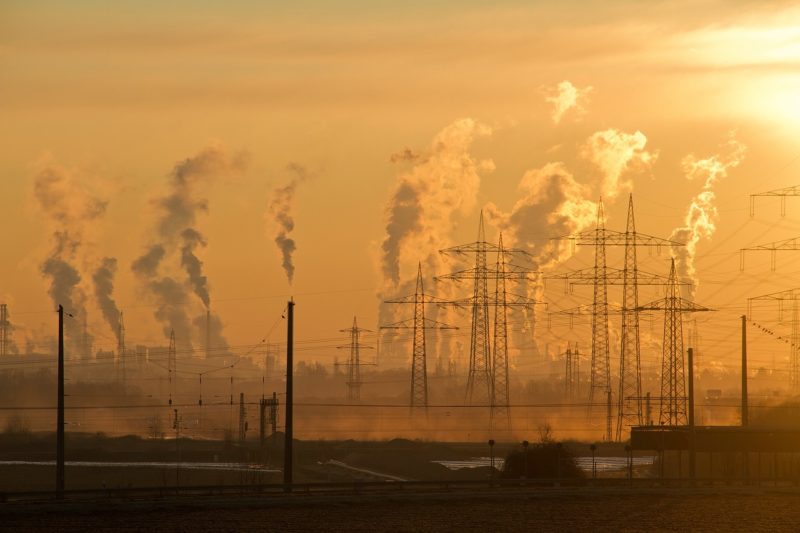
We assess the impacts of and work to reduce the levels of short-lived climate pollutants – such as soot, methane and ozone – in the atmosphere. These agents affect human health and contribute to global warming.
269 results / 25 of 30 pages
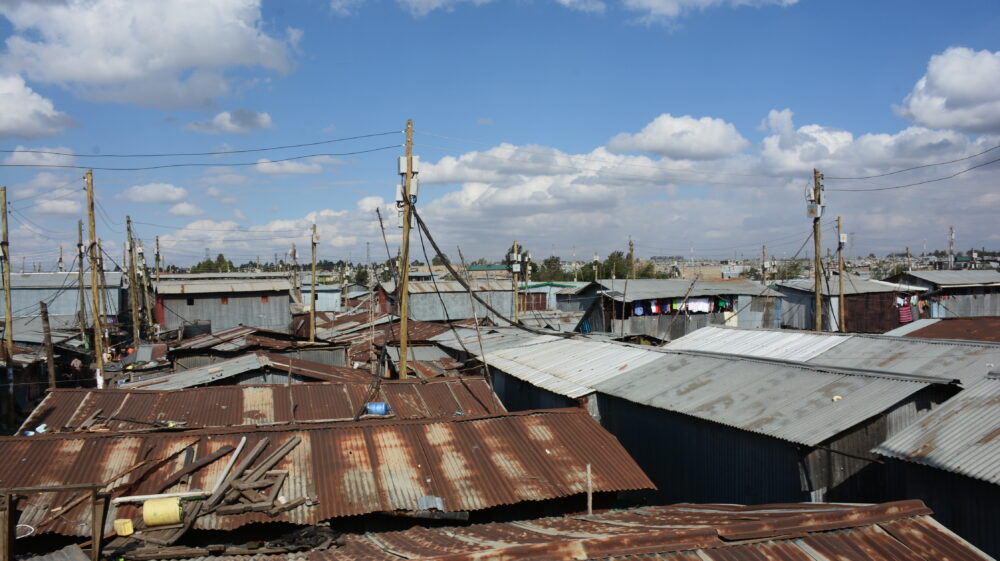
Feature / Get a glimpse of what it means to live with air pollution in Mukuru informal settlements in Nairobi, Kenya.
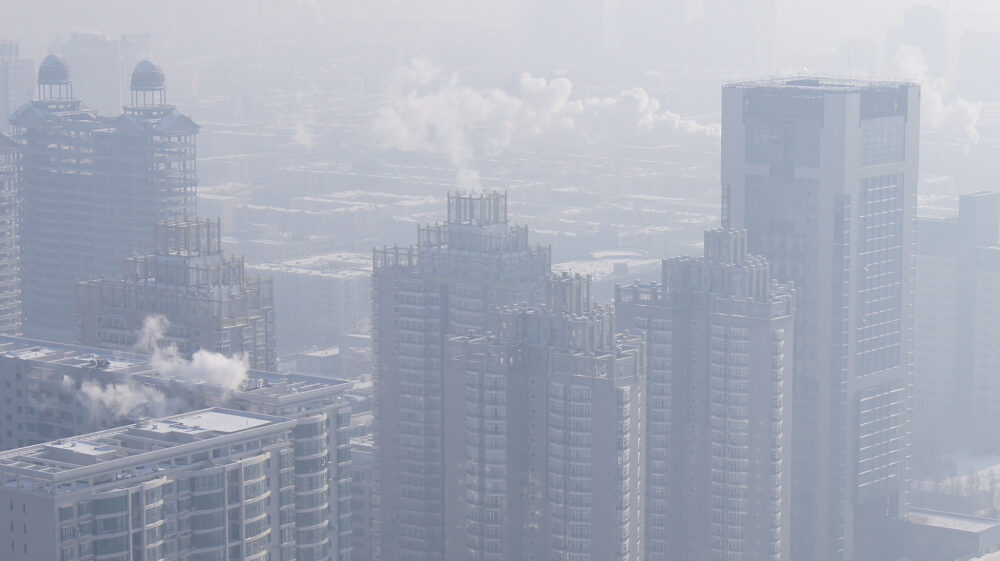
Feature / CCAC partners highlight approach that brings health benefits, reduces near-term temperature rise and keeps long-term warming below 2˚C threshold.
Feature / SEI brings policy-relevant research to this week’s UN climate conference in Bonn, with experts participating in the Talanoa Dialogue and three side events.
Other publication / Report shows how cutting air pollution in LAC region can limit global warming, prevent thousands of premature deaths, and benefit agriculture.
Media coverage / Ozone is a major air pollutant that threatens agricultural yields globally - Repost of SEI blog from The Conversation
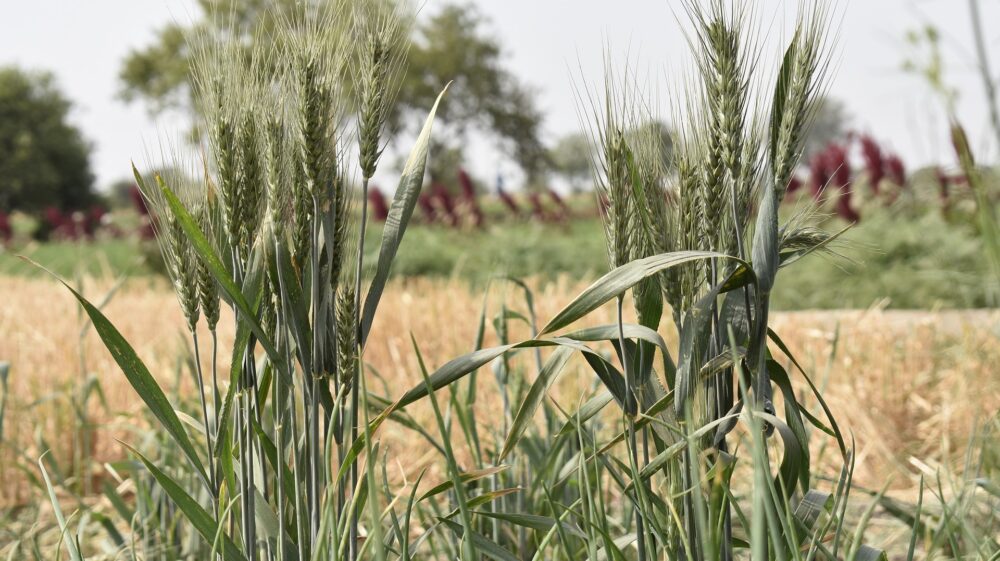
Perspective / Rising ozone levels in the developing world, especially South and East Asia, are more than an urban challenge, posing a threat to agriculture and food security.
Journal article / Attempts to increase food production through irrigation are hampered by the impact of ozone pollution
Journal article / Application of appropriate metrics to assess how changes in ozone levels affect health and vegetation is vital for policymakers.
Journal article / Household air pollution, caused by use of biomass fuels and coal, is a major problem in low and middle income countries