part of Change stories
Start readingA project to revitalize a neglected transit hub, led by SEI and local partners, offers a replicable model for cities across Indonesia and beyond. The new terminal reopened in 2024 and shows how community-driven design can lead to lasting impacts.
Terminal Binjai, located in Medan, the capital of North Sumatra, Indonesia, was once a symbol of urban inefficiency. Its lack of accessibility and basic amenities discouraged passengers, particularly those with disabilities, older people and women. The absence of reliable safe public transit meant more locals relied on private vehicles, worsening congestion, transport emissions and air quality.
The project team saw that Terminal Binjai held promise to become a key node in Medan’s efforts to promote green urban mobility. In September 2023, SEI began to forge partnerships with local stakeholders, including North Sumatra and Binjai City transport agencies, Clean Air Asia and the University of North Sumatra.
The results of this collaborative effort, part of the UK Partnering for Accelerated Climate Transitions (UK PACT) initiative, highlight how “tactical urbanism” and community engagement can unlock the potential of neglected infrastructure to drive inclusive and green mobility.
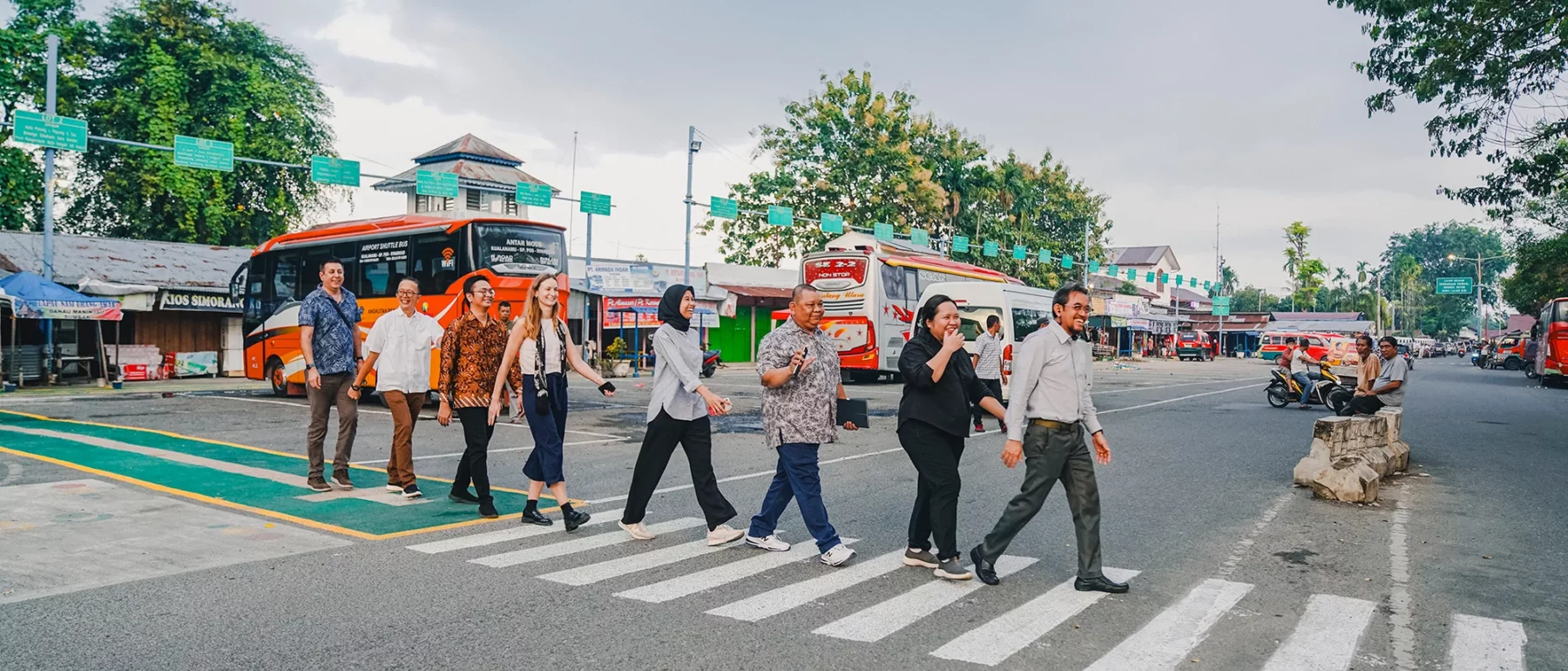
The project followed a structured and inclusive approach, beginning with community-centred diagnostics. So-called “transect walks” that included 12 participants – local officials, terminal users and experts – helped identify key pain points, such as poor pedestrian pathways, confusing signage and inadequate shelters.
In January 2024, the Reimagining Terminal Binjai design competition invited teams of university students and Binjai residents to create design solutions for improvement of the terminal. With 40 participants, of which nearly half were women, the competition encouraged a variety of innovative perspectives.
“The design competition was a breakthrough moment for this project,” said SEI team member Raeni Raeni.
“It gave the community a platform to share their ideas and take ownership of the transformation, and seeing those ideas come to life showed how participatory approaches can drive innovation and meaningful change. It wasn’t just about redesigning a terminal – it was about empowering people to shape the future of their city.”
The project faced several challenges, including resistance to change from some users, as well as planners’ unfamiliarity with tactical urbanism approaches and hesitation to try new methods. But these obstacles were overcome through creative engagement and skill sharing, combined with strong local partnerships.
SEI researchers and local partners organized participatory workshops, which provided a space to demonstrate the benefits of the proposed changes. The team also offered training for local officials and stakeholders on inclusive and sustainable planning practices, and drew on the expertise of organizations such as Clean Air Asia and the North Sumatra Transport Agency to ensure effective implementation and local buy-in.
Before, the terminal felt unsafe – after 11pm, it was so dark we wouldn’t even sit in the shelter. Now, it’s completely different. With brighter lighting, the area stays lively and feels much safer. … The changes have made the terminal a place we can actually enjoy, not just pass through.
Local resident and frequent user of Terminal Binjai
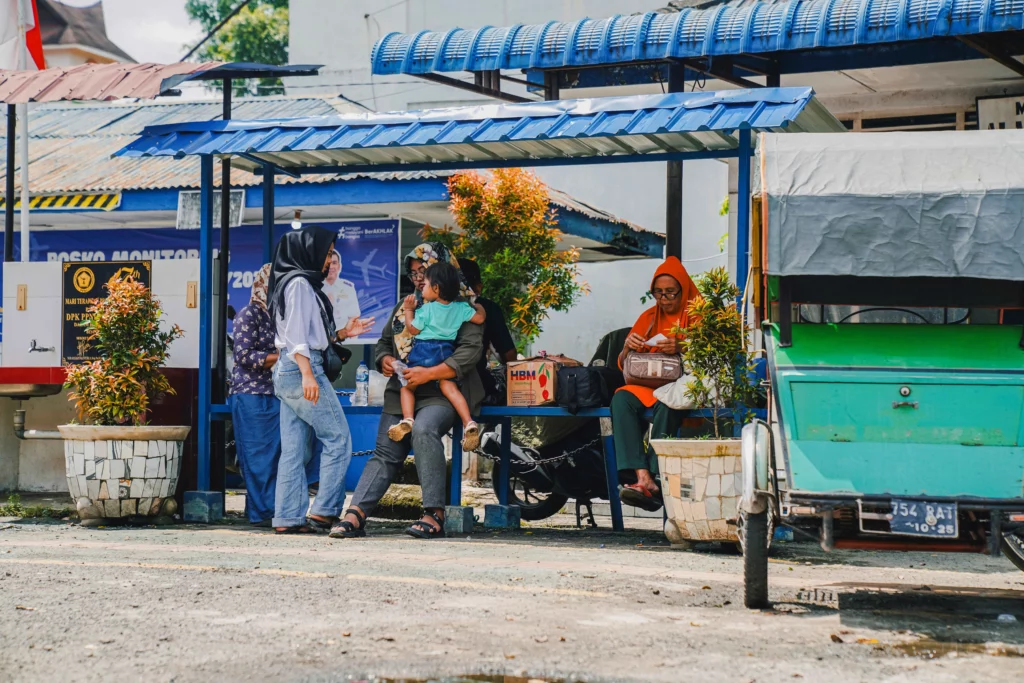
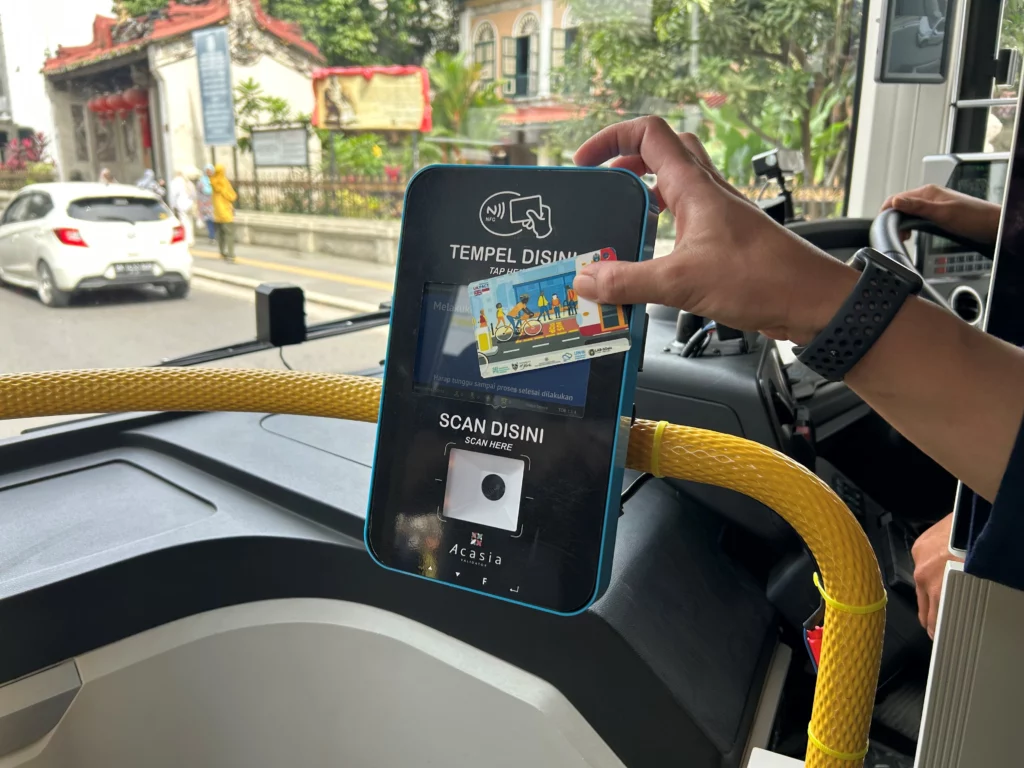
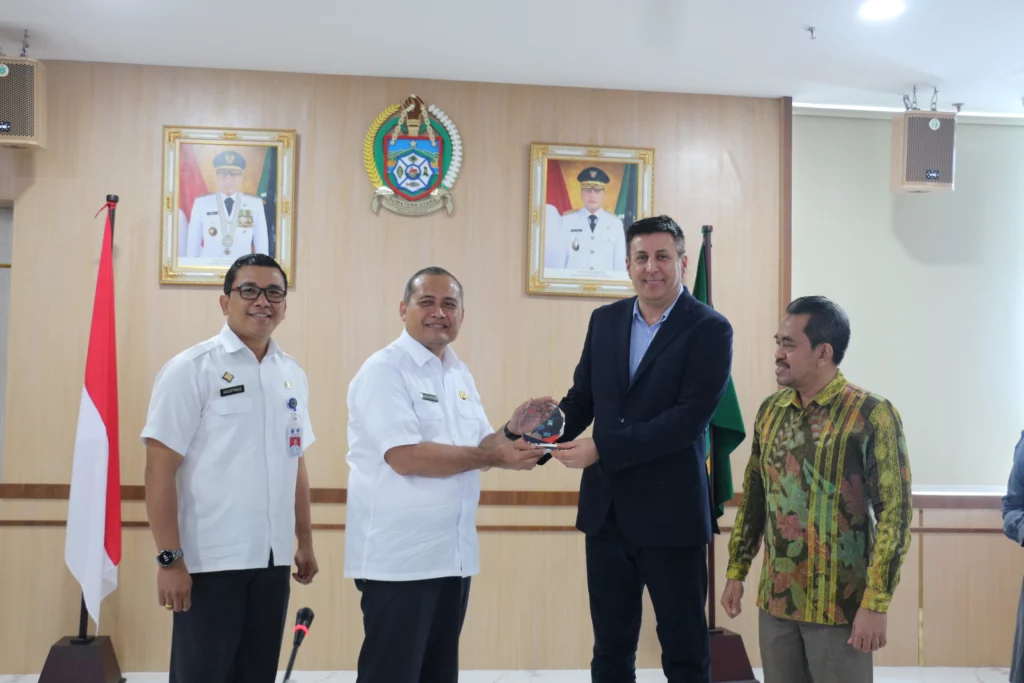
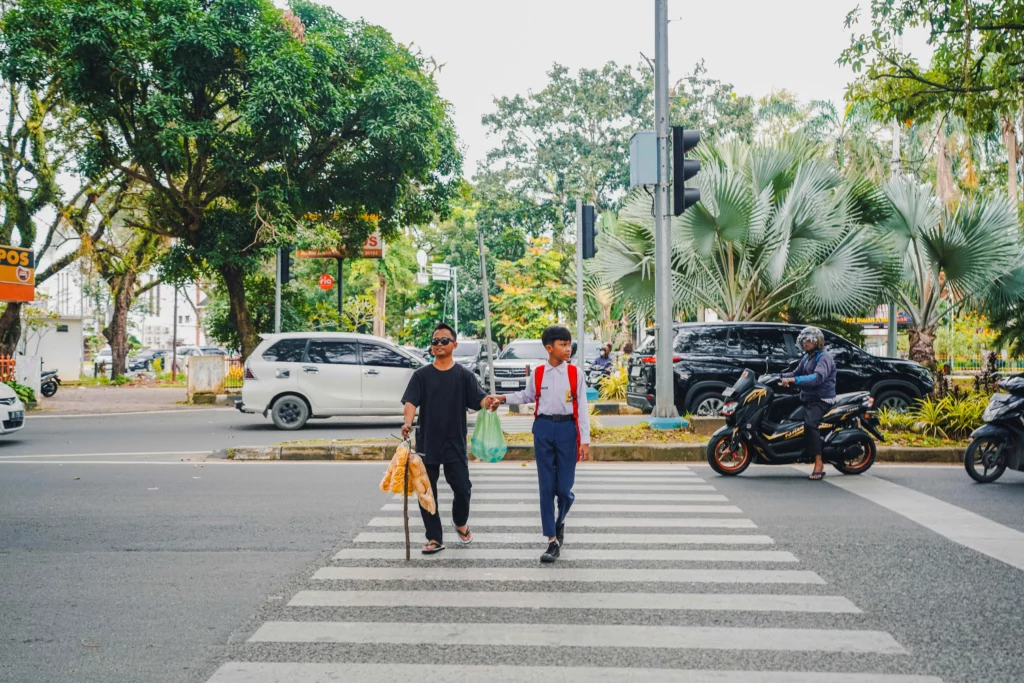
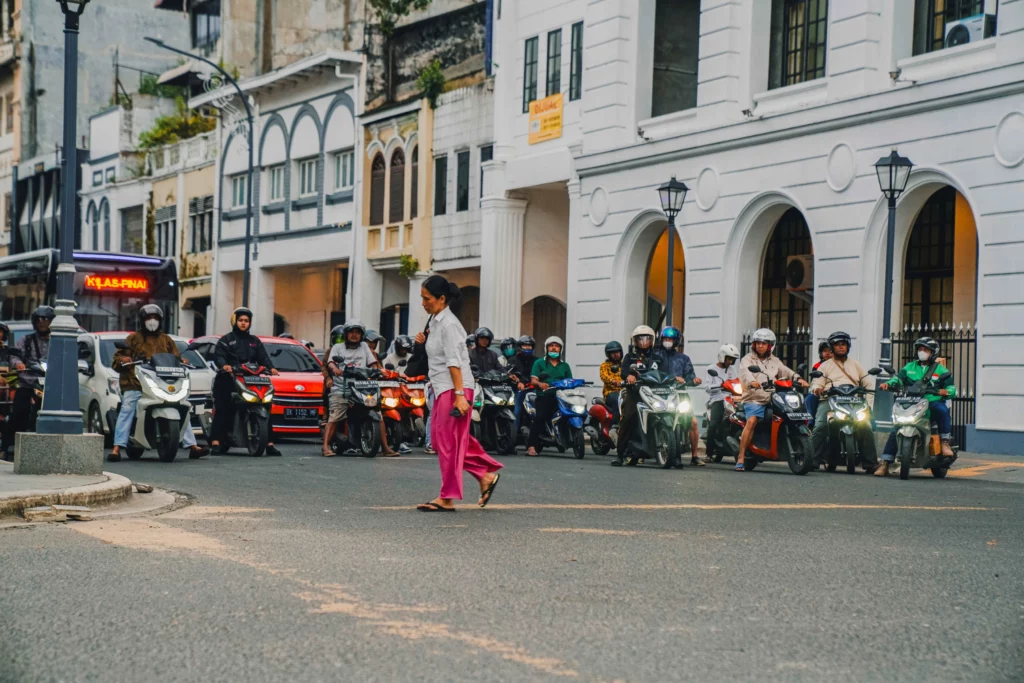
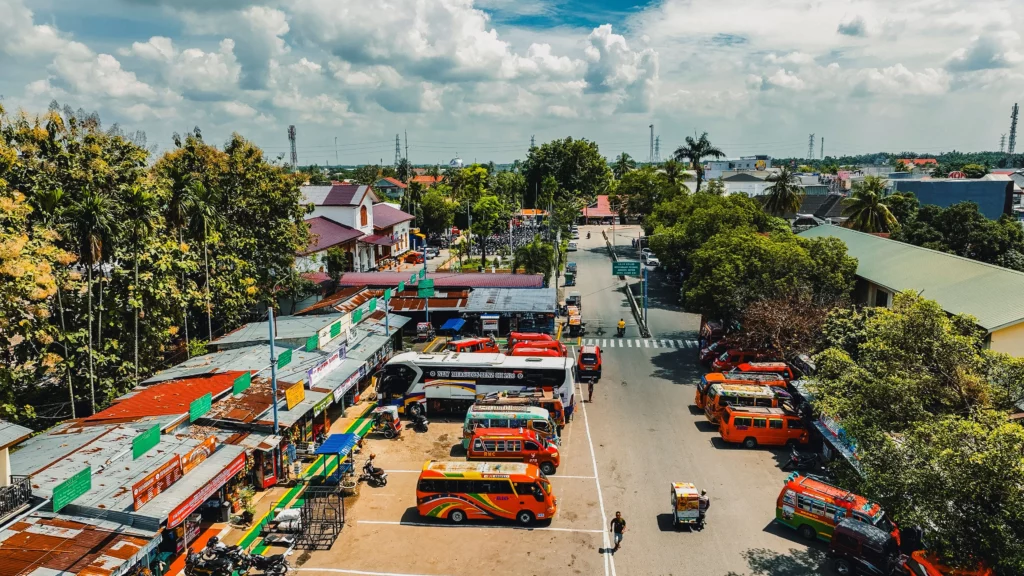
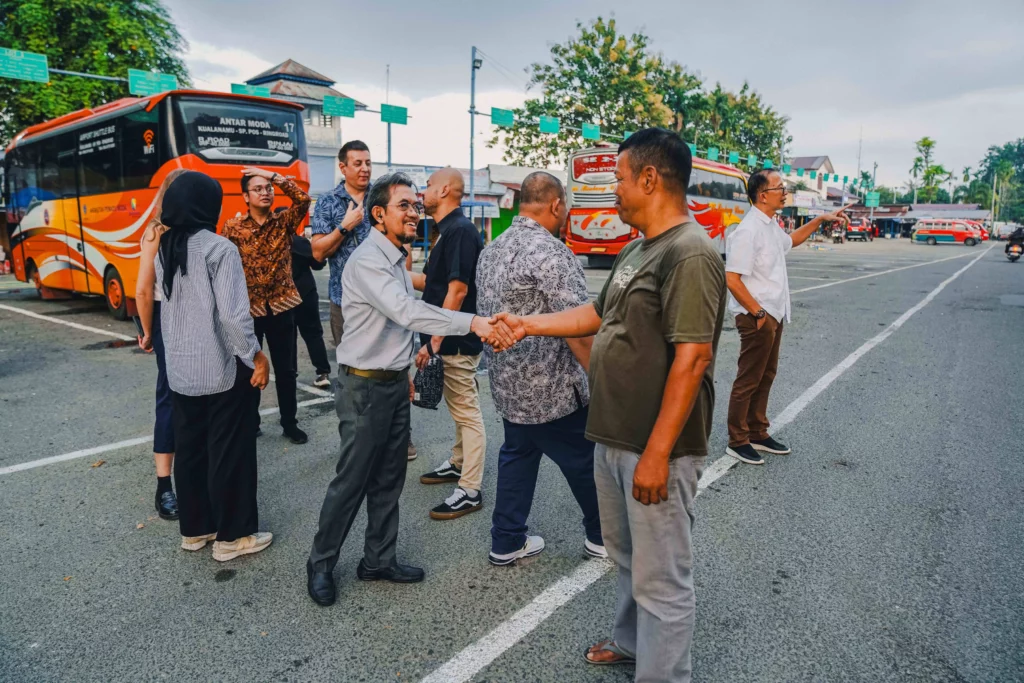
Creative ideas from the three competition winners were refined through workshops with community members, transport agencies and planners to ensure they would meet users’ needs. These efforts resulted in a range of practical upgrades, including clearer signage and simplified navigation; accessible pedestrian pathways with routes for wheelchairs, strollers and walking aids; weather-protected shelters with comfortable waiting areas, and inviting green spaces with shade and vegetation that help reduce the urban heat-island effect.
In parallel, local transport agencies allocated 30 new buses for the bus rapid transit (BRT) system. These upgrades established the terminal as a critical node in the city’s green mobility network.
Today, Terminal Binjai’s improved infrastructure and aesthetics have created a safer and more welcoming environment, especially for vulnerable groups.
One local resident and frequent passenger at Terminal Binjai shared her thoughts:
“Before, the terminal felt unsafe … now, it’s completely different. With brighter lighting, the area stays lively and feels much safer. I even feel comfortable resting here at night. The changes have made the terminal a place we can actually enjoy, not just pass through.”
This animation takes you through the "tactical urbanism" process that reshaped Terminal Binjai. Using simple, low-cost interventions, the project introduced creative, community-driven solutions to improve public space, enhance safety and promote inclusive, low-emission mobility. See how small changes can make a big impact.
SEI’s work at Terminal Binjai underscores the importance of early and sustained engagement with local communities. The lessons learned have now been captured in a Digital Mapping Toolkit, designed to democratize urban transport planning by ensuring that the perspectives of marginalized communities are integrated.
The toolkit’s adaptable framework means it can be used to help develop green and inclusive urban mobility in other cities around the world.
Tool / Unlock inclusive urban mobility with the Digital Mapping Toolkit, designed for participatory planning and equitable transport solutions.
Project / Accelerating low carbon transport policies and plans that meet the mobility needs of marginalized groups in Indonesia.
SEI annual report / Reflect on a year of change and collaboration as SEI set the course for sustainability through 2030.
Perspective / SEI calls for a just, human-centred transport transition as COP30 launches the UN Decade of Sustainable Transport.