Establishing commercially viable off-grid electricity projects in sub-Saharan Africa is notoriously difficult, but some mini-grid firms have managed to gain a foothold. Fiona Lambe and her colleagues in the Gridless Solutions Initiative share insights from a recent study of two firms in Kenya, as well as recommendations for companies, governments and donors.
The strategies adopted by emerging economies to expand their energy capacity in response to growing demand and to drive economic growth will play a pivotal role in global energy transitions. As cleaner energy targets depend heavily on advancements in energy technology, innovation in this sector is essential for all nations in tackling the climate crisis.
One such innovation is private mini-grid companies in sub-Saharan Africa, which are bringing electricity to rural areas by leveraging new technologies such as solar-hybrid solutions, remote management systems and pre-paid smart meters. Investments in these companies, however, have been held back by high consumer prices, uncertainties and bureaucratic hurdles.
I and my colleagues in the Gridless Solutions Initiative explored the challenges in a recently published study, identifying the strategies two firms use to overcome them. We compared the strategies used by two private mini-grid companies to navigate investment and regulatory challenges, and their impact on service quality. The findings aim to guide developers in overcoming challenges and delivering reliable and affordable energy access to underserved communities, something we will be discussing at this week’s conference on energy innovation, held by IRENA in Bonn, Germany.
During April and May 2024, I and my colleagues in the Gridless Solutions Initiative carried out two case studies of two mini-grid companies in Kenya, visiting Ndeda Island in Lake Victoria and Kisii County. At each site, we interviewed mini grid company representatives, their customers (households, small businesses and public sector actors) and local government representatives, after which we held a workshop with various stakeholders.
In both places, the mini-grid has brought far-reaching development benefits. In Ndeda, more than 80% of households and businesses are now connected to the mini-grid. Indeed, one of the first things that strikes the visitor approaching the island by boat is the criss-crossing wires and poles from one end of the island to another.
The customers interviewed in Ndeda described how the company provided them with reliable, affordable electricity, and how this, in turn, had led to numerous development benefits – including improved income, health and wellbeing. For example, the doctor at the clinic described how the clinic now has lighting after dark, making it possible to handle nighttime emergencies, including delivering babies. Having access to reliable power allows the clinic to handle key diagnostics in-house and free of charge to patients, which means that more people are diagnosed early, which in turn has reduced the number of severe cases of typhoid and malaria.
Similarly, for mini-grid customers in Kisii, the site for the second case study, has brought a range of benefits. Customers described how the company employed local staff and invested in public lighting, which improved security at night and made it possible for traders to operate after dark. Electricity access in the area seems to have boosted the local economy.
Community benefits include services like a barber shop and posho mills. People can charge their phones without going far to the market centres and security has improved because of lighting.
– Ndeda, minigrid customer
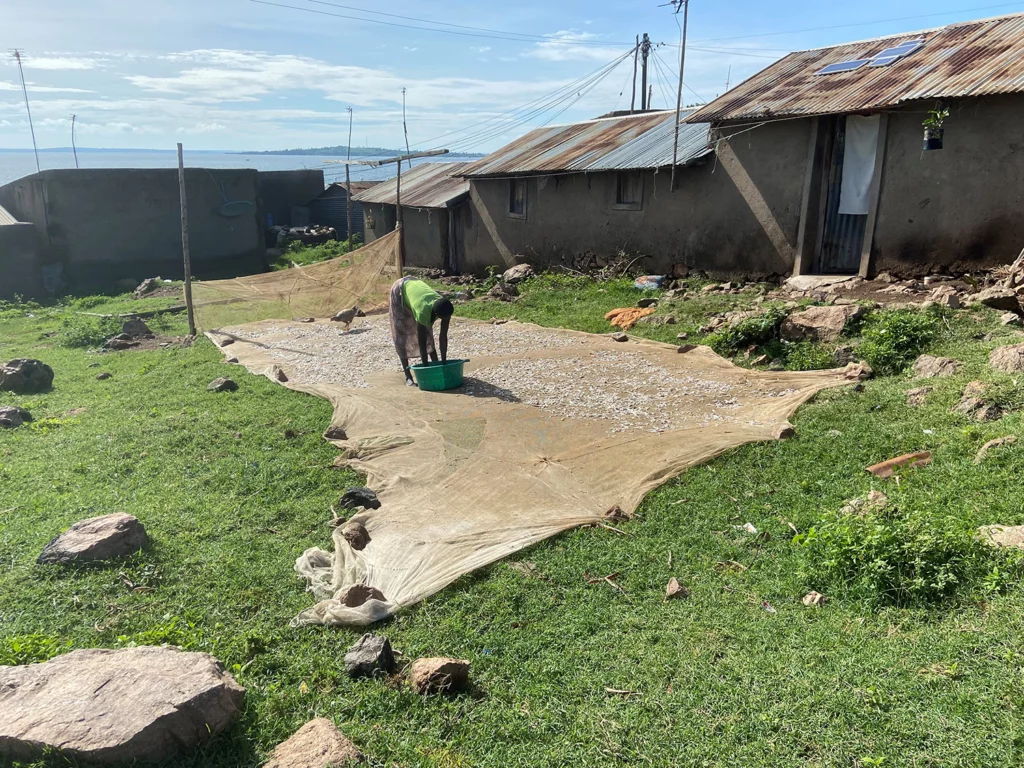
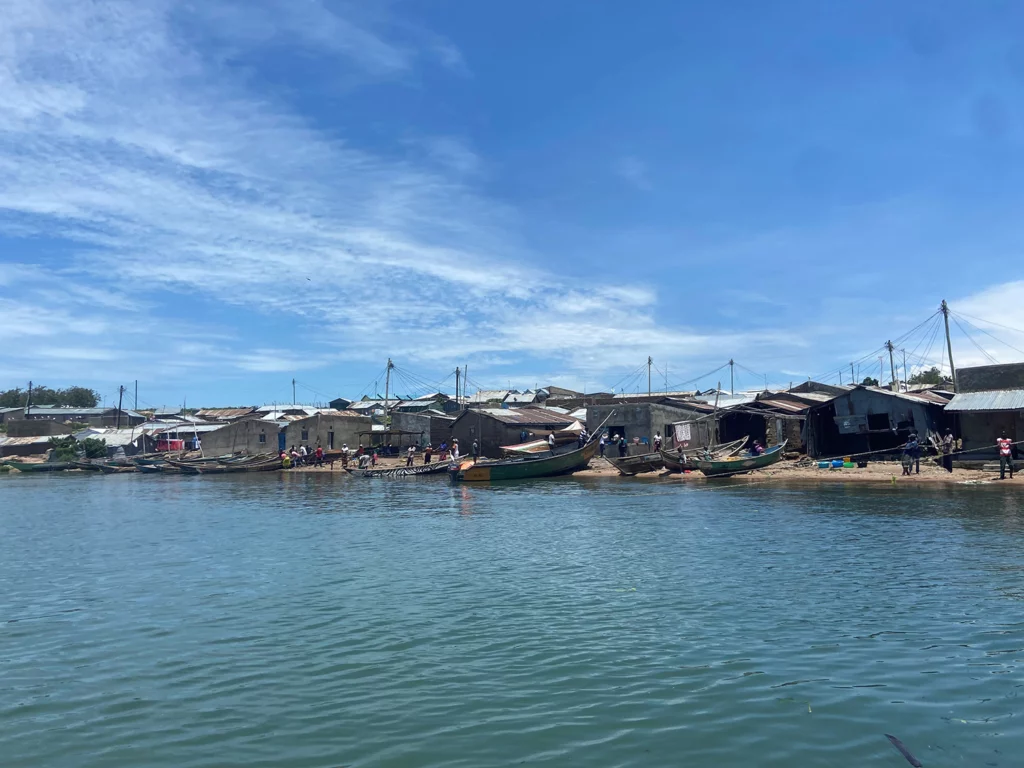
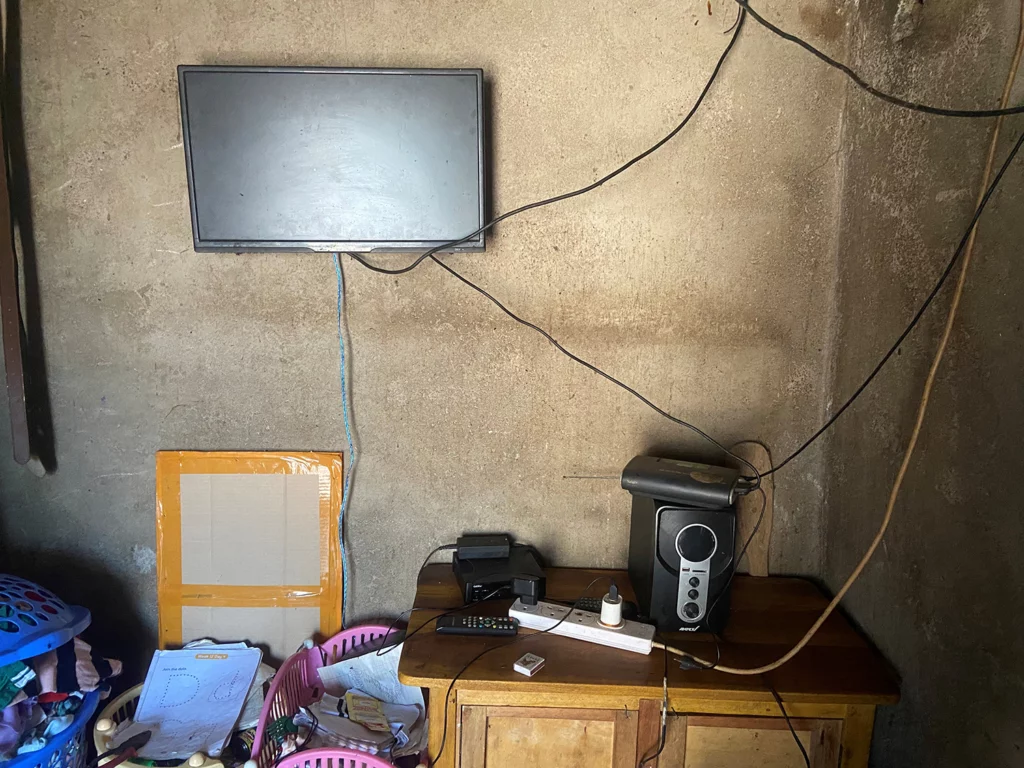
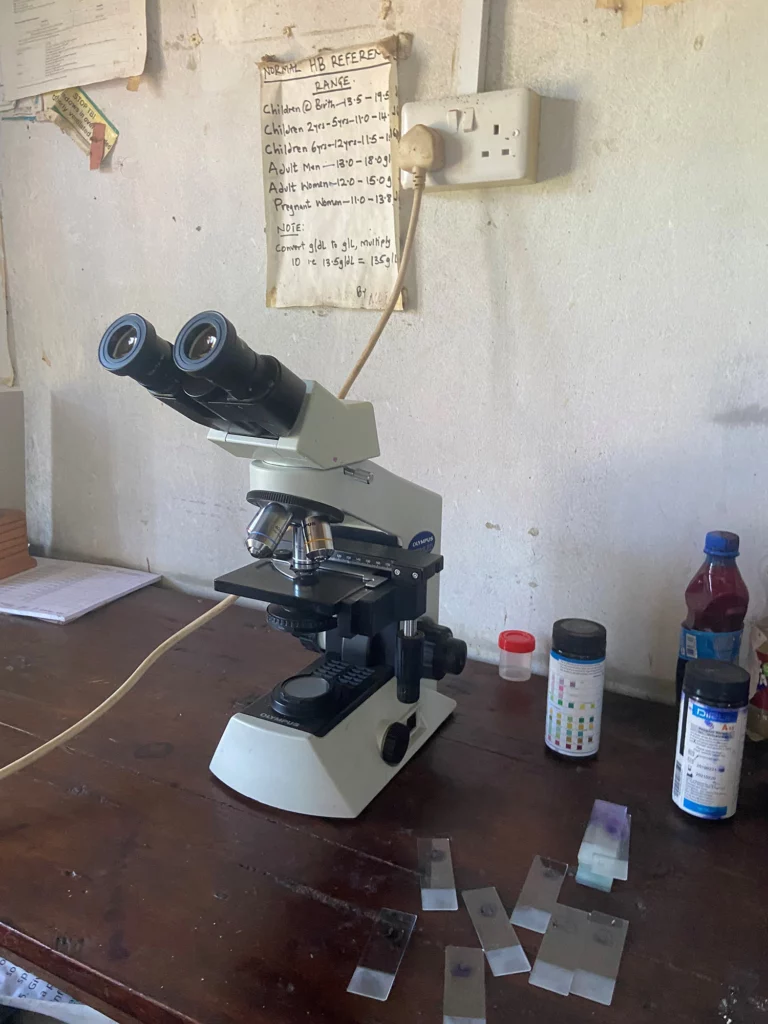
The two companies aimed to ensure good relationships with the community, but through very different approaches. In Ndeda, the mini-grid company supported some basic services on the island and facilitated contacts with a German development partner to finance a water purification plant. The main focus, however, was on the core service being offered; rather than implementing ancillary businesses, the focus allowed these to emerge organically as the community connected to the mini-grid. As the site manager for the company put it:
We only provide energy services – nothing else. We might bring in an investor for a particular project, but we don’t fund those things as a company.
The company encountered heavy bureaucratic demands and long waiting times to license the Ndeda site. They recruited a local staff member early on to navigate the complicated administration and to provide an important channel of communication between the company and the community.
For the minigrid firm in Kisii, the day-to-day struggle to increase demand for the electricity service was compounded by regulatory challenges. One year after the initial sites were launched, a change in Kenyan regulations meant that the main utility grid began to encroach close to the firm’s mini-grid sites, and the company soon found itself in direct competition with the main utility grid, which eroded their customer base.
To deal with this competition, the company focused on boosting demand for daytime use of electricity, investing in the start-up of several local businesses, including chicken brooding, black soldier fly production to produce chicken feed, and electric vehicles for hire. The company recruited around 100 staff to run these businesses and invested in hardware such as a customer care centre, milling equipment and electric three-wheel vehicles. However, despite their potential, the businesses faced various implementation problems and were eventually forced to shut down.
Although there seems to be appreciation in the community for the various ancillary businesses started by the company, from our interviews, it appears that this phase of rapid expansion represented a shift in terms of service quality, which negatively impacted on the company’s initial pool of customers. At around this time, customers noted an increase in the frequency of blackouts and a lack of support from the company’s customer support service.
The company found itself in a Catch-22 situation: the expansion of sites deemed necessary for the development to survive had negative impacts on the existing customer base and eroded consumer trust in the service.
Although the approach taken in Ndeda may appear basic compared with the innovative services offered in Kisii, our findings suggest that this approach is a good example of “frugal innovation” – that is, the process of reducing the complexity in a process to deliver a basic but durable good or service so that it is affordable and reliable to the customer.
Based on our findings, we can suggest some recommendations for the Kenyan government, private mini-grid developers and donors.
From the case study in Kisii we identify an opportunity for the local government and the private sector to work more collaboratively in energy planning. For example, a platform could be established to engage private developers, Kenya Power, the County Government, and community representatives in a process to co-design local electricity expansion. This platform could leverage the unique capacities and resources of each stakeholder to create synergies in electricity expansion. Governments and donors should support such integrated grid/mini-grid approaches by funding and providing technical assistance for developing commercial agreements for interconnected projects.
For mini-grid developments in low-income settings to succeed, incorporating the productive use of energy into their business models is often essential, but this requires different competencies than traditional mini-grid operations. Without these competencies or partnerships to develop ancillary businesses, firms risk diverting focus from their core services, potentially compromising service quality. Therefore, collaboration between public and private stakeholders is urgently needed to ensure good quality and affordable energy access for rural customers in sub-Saharan Africa.
Fiona Lambe will be presenting on Wednesday 11 June at the IRENA Innovation Week 2025 in Bonn, Germany, where the theme will be “Renewables and Digitalisation for a Sustainable Energy Future”. She will argue that “we need to get better at understanding the socio-cultural and behavioural drivers of energy use and feeding this granular, local information into the design of energy services”.
Initiative / The Gridless Solutions Initiative explores alternative technologies for the delivery of critical services like energy, sanitation and freshwater.
Journal article / This study aims to provide evidence about how external risks affect mini-grid business models and the strategies that developers apply to manage challenges.
Media coverage / In a Daily Nation Opinion, SEI Researcher Cassilde Muhoza explains why Kenya’s expansion of renewable energy has not automatically translated into lower tariffs
SEI report / The role, drivers and outcomes of policy coherence in the Kenyan government’s efforts to achieve a just energy transition in Kenya are addressed in this report.







