Editor’s choice
Editor’s choice
With droughts in arid and semi-arid regions of Kenya becoming more severe, SEI and partners helped to reduce risk to community-managed water systems to improve local people’s water security and economic opportunities.
As droughts in Kenya’s arid and semi-arid lands worsen, people who live in these regions face increased risks to water availability and quality. To access water, villagers in Maji Moto and Harugura travelled long distances – as far as 10 kilometres. Droughts weakened livestock, the main source of income for people in the village. With few other employment opportunities, villagers faced lower incomes and growing hunger.
SEI assessed that many of the region’s water points were deteriorating because of incomplete construction, insufficient maintenance and poor infrastructure. Without prompt action, communities in Kenya’s arid and semi-arid lands risked further water insecurity.
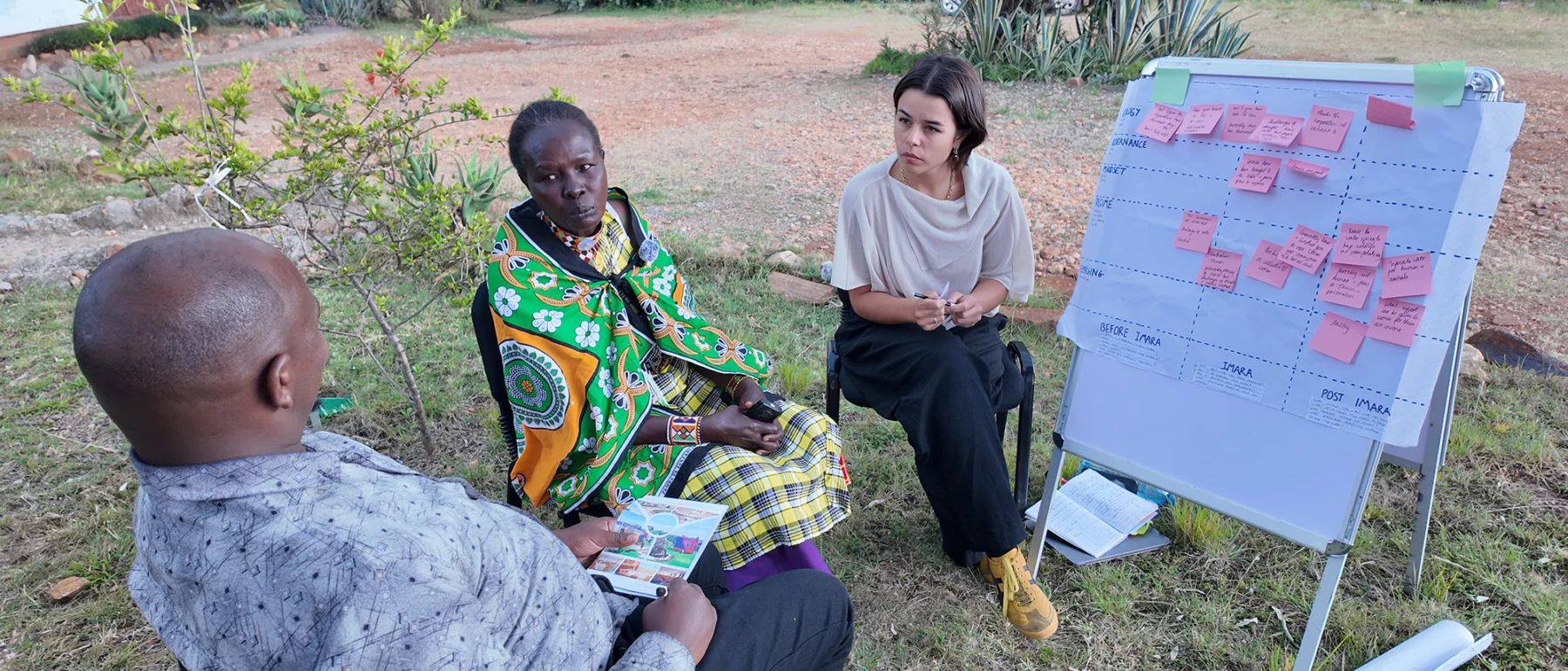
To address these growing threats, SEI and partners embarked on a new project: IMARA, the Integrated Management of Natural Resources for Resilience in the ASALs. The project began in 2018 and was implemented by World Vision Kenya in partnership with the Northern Rangelands Trust, Maasai Mara Wildlife Conservancies Association, Saferworld and SEI. The project boosted marginalized households’ resilience to drought by improving water management and consumption, and helping diversify livelihood options for local residents.
Before the water projects, farming was impossible because our crops would dry up and die. Now, thanks to the water project, our community has a wide variety of food, and diseases are reducing.
David, a Maji Moto community and religious leader
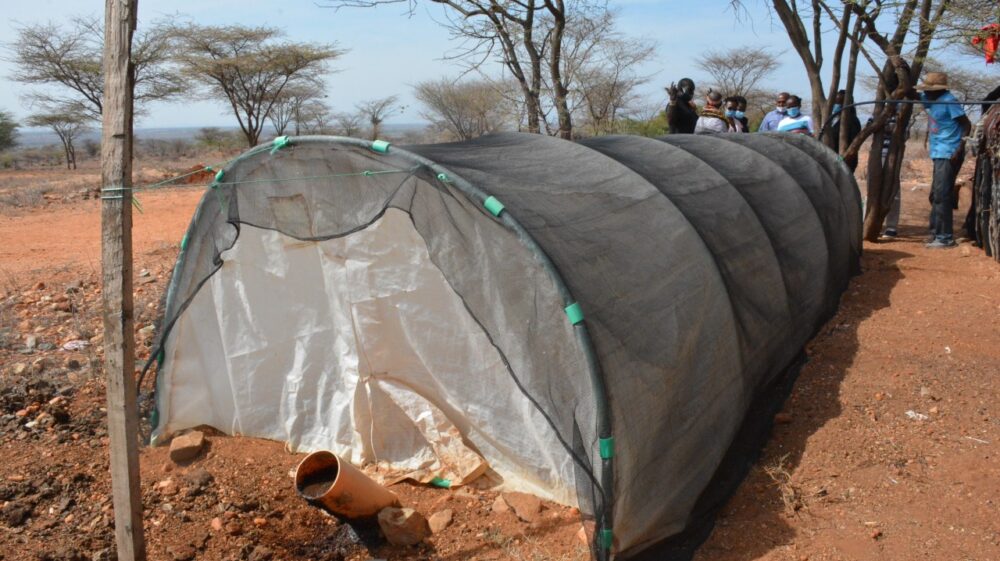
The sustainability assessments SEI had conducted guided the project as it sought ways to develop and protect key water sources, including boreholes, rock catchments, storage tanks, springs and distribution systems in Narok and Marsabit counties. For example:
Improved water access allows households to diversify into vegetable farming, poultry production, beekeeping and other income opportunities identified by SEI. Women’s groups manage kitchen gardens and poultry units, while youth groups run water kiosks. Water user associations oversee revenue and maintenance to ensure the systems remain functional and sustainable beyond the project’s duration.
The project has trained more than 150 community members in water governance, conservation and leadership. Women, who previously had limited roles in decision-making, now serve on water committees and resource management groups. Their participation strengthens accountability and improves the management and sustainability of water points. Inclusive governance and clearer local bylaws reduce resource misuse and promote long-term stewardship of water resources. SEI’s research continues to inform community water governance in Narok and Marsabit counties in Kenya. Lessons learned from Maji Moto and other IMARA sites are being shared with neighbouring communities adopting similar approaches. The project’s participatory and gender-responsive model now influences county-level adaptation planning.
SEI continues to support capacity building in water governance, community-led spring and catchment monitoring, and best practice documentation to expand integrated water management across Kenya’s arid and semi-arid regions.
Project / The IMARA program aimed to increase the resilience of marginalized households to climate-change-related shocks.
SEI annual report / Across a changing global landscape, SEI delivers knowledge and solutions to drive sustainable development forward.
Press release / Development is underway for a digital version of the Nature Tool, designed to assess nature-related risks and opportunities across agricultural sourcing.