Since 2005, the International institute for Environment and Development (IIED) and partners have convened the Community-based Adaptation (CBA) conference series. These conferences serve as a global forum for practitioners, governments and donors to share best practices and innovations in climate adaptation at the community level.
They are a key moment annually for learning and engagement on locally-led approaches to climate adaptation (LLA), which support communities in using their own knowledge and decision-making processes to take action on climate change.
The 20th edition – CBA20 – will be held in Manila, organized by IIED in partnership with the Manila Observatory, Philippine Action for Community-led Shelter Initiatives, Inc (PACSII) and the Adaptation Research Alliance (ARA) and other partners. The core themes of CBA20 are:
ARA will lead the theme “knowledge nexus” exploring how combining local, traditional and Indigenous Peoples’ knowledge systems with climate science can drive adaptation decision-making. Over five days, more than 300 participants from local community organizations, Indigenous Peoples’ organizations, NGOs, research institutes, governments, foundations and multilateral agencies will come together to share, learn and evolve understanding of best practices on locally led adaptation. CBA20 is a key moment for the CBA and LLA communities on the road to the 2026 climate change conference (COP31).
CBA20 will take place in person from 11–14 May 2026 at Novotel Manila Araneta City in Quezon City, Philippines, and participants can attend by registering online and purchasing a ticket through the conference website.
When: TBC (small, invitation‑only gathering)
Where: TBC
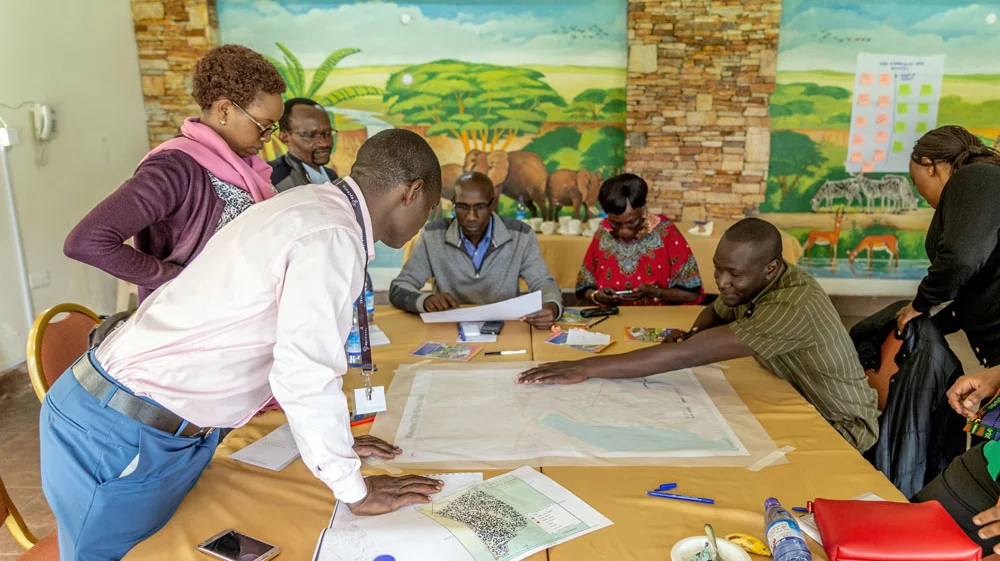
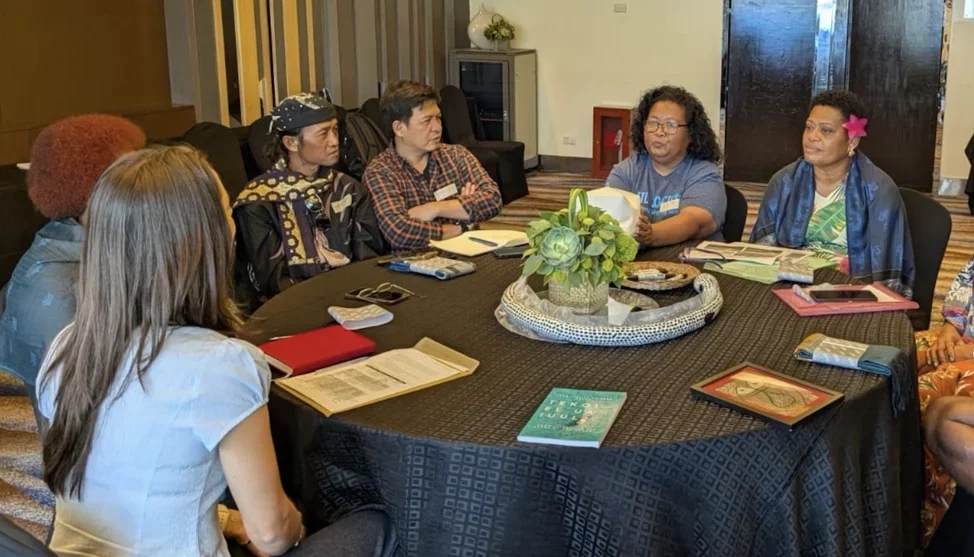
Sharing local experiences about Nature-based Solutions for Aquaculture: This intentionally small gathering uses an unconference format – no panels, no expert‑led discussions and interactive and deliberately non-hierarchical. It opens with a storytelling circle where Indigenous Peoples and local community (IPLC) participants share positive, negative, or mixed experiences of NbS aquaculture in their own contexts. Stories are treated as evidence, not anecdotes.
Through facilitated discussion, participants identify shared concerns and successes – surfacing issues of rights, access, decision‑making, and knowledge. A seasoned illustrator will help turn discussions into clear messages about NbS and a roadmap for engagement in global processes, which participants carry into the main CBA20 event.
The Innovating for Equity Initiative is led by the Stockholm Environment Institute as part of the Nature-based Climate Solutions in Aquacultural Food Systems in Asia-Pacific initiative (AQUADAPT), which is co-funded by Global Affairs Canada (GAC) and the International Development Research Centre (IDRC).
Project / The I4E project aims to promote inclusive and resilient nature-based aquaculture solutions in the Asia-Pacific region.
Project / The Adaptation Research Alliance (ARA) is a global coalition responding to the urgent challenges faced by vulnerable communities from climate change.
Project / The I4E project aims to promote inclusive and resilient nature-based aquaculture solutions in the Asia-Pacific region.
Perspective / Indigenous and local aquaculture producers reflected on the future of aquaculture nature-based solutions (NbS) at CBA20.
Feature / At the Bangkok Climate Action Week 2026, SEI Asia will showcase research and build pathways for climate action through science, dialogue, and engagement.
Media advisory / SEI invites journalists to a media briefing where its experts will share their perspectives on key topics ahead of the UN Biodiversity Conference (COP17).