***Update 12 March: In light of the spread of the Coronavirus disease and the rapidly evolving situation, this event has been postponed.***
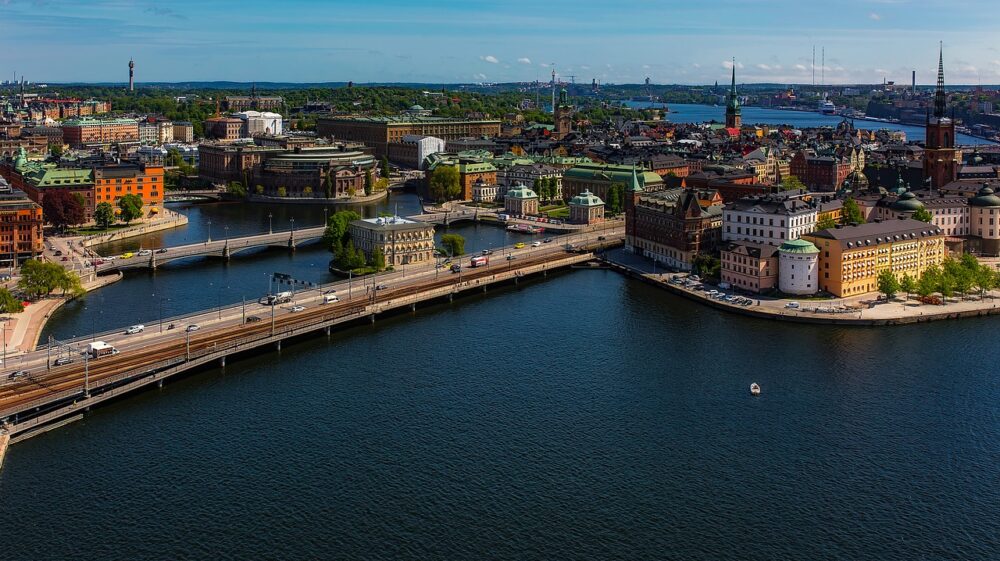
Join Sweden’s Ministry of Environment, the Organisation for Economic Cooperation and Development (OECD) and Stockholm Sustainable Finance Centre (SSFC) for a high level event on 31 March, 08:30 – 12:00, in central Stockholm to explore how climate action can be accelerated, whilst ensuring current inequalities are alleviated.
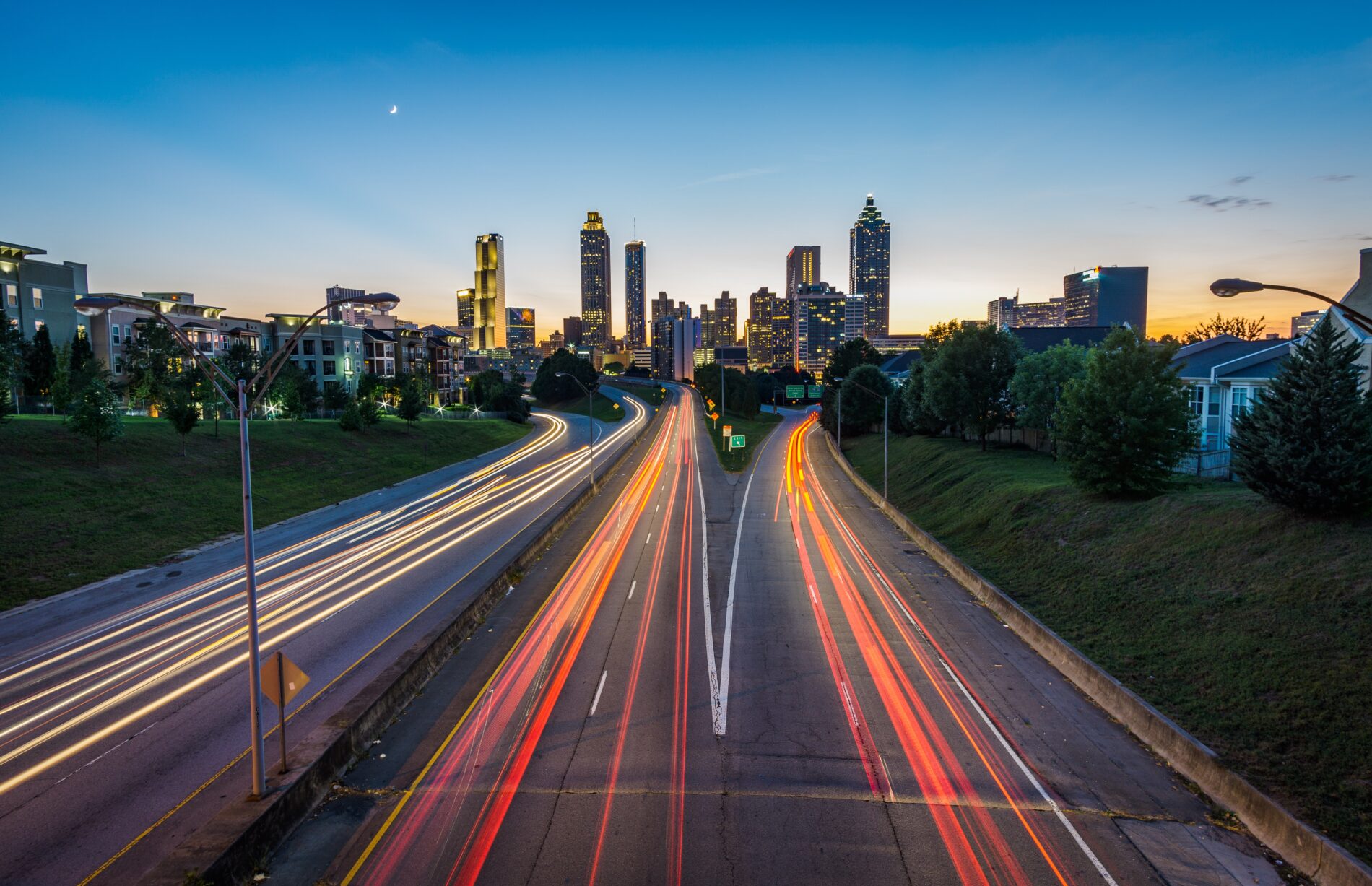
Traffic in and around urban centres has huge implications for people’s health and well-being, as well as for cities’ carbon footprint. Image: Joey Kyber / Unsplash
The discussion will bring together representatives from national government, regional and local authorities, as well as business and civil society to discuss how insights from the OECD reports on Accelerating Climate Action through a Well-being Lens and Financing Climate Futures: Rethinking Infrastructure, can inform policy-making in Sweden.
08:30 Arrival and welcome
09:00 Introduction and opening remarks:
09:15 Well-being and financing climate futures – lessons from two OECD reports, Presentation by Anthony Cox, Deputy Director, OECD Environment Directorate
09:30 Financing Climate Futures: The Swedish picture
Panel discussion with audience participation moderated by Aaron Maltais, Program Director, SSFC, and featuring
10:00 Question and answer session
10:15 Coffee break
10:30 Synergies and trade-offs between climate action and well-being: Looking at transport
10: 30 Panel discussion moderated by Åsa Persson, Deputy Director, SEI, featuring:
11:30 Question and Answer session
11:45 Closing remarks
The climate crisis continues to intensify with 2019 being registered as the warmest year on record, ending the hottest decade yet. Scientists have said that the recent catastrophic bushfires in Australia are just a taste of what the world will experience as temperatures rise.
While the imperative for climate action is becoming ever clearer, so too is the need to address the social equity dimension of climate change and the need for a just transition. Some OECD countries – from Chile to France to Norway – have seen protests over public transport fares, fuel prices or road tolls, highlighting that climate action needs to alleviate current inequalities rather than exacerbating them or creating new ones.
The recent OECD report Accelerating Climate Action Through a Well-being Lens applies a new perspective that analyses synergies and trade-offs between climate change mitigation and broader goals such as health, education, jobs as well as wider environmental quality. Another recent OECD report, Financing Climate Futures: Rethinking Infrastructure outlines how governments can fundamentally transform their economies to align with global climate and development goals.
Together, the Ministry of Environment, OECD and SSFC, will share key findings and explore ways to create more sustainable and equitable policy around climate action.
Project / Stockholm Sustainable Finance Centre (SSFC) aimed to have a transformative impact on sustainable finance in Sweden and beyond.
Feature / Biodiversity action is falling short – SEI shares five recommendations for building more resilient societies ahead of COP17.
Event on 19 October in Dublin / SEI's Francis X. Johnson joins a Global Bioeconomy Summit 2026 panel on how biofuels can accelerate a sustainable bioeconomy.
Feature / SEI US introduces a new research program focused on climate forecasting and capacity building.