For the first time, the annual Science Summit alongside the UN General Assembly (UNGA81) extended beyond New York to Nairobi, Kenya. SEI Africa hosted a day of dialogue on how Africa and Europe can build fairer, longer-lasting research partnerships.
SEI Africa hosted a day of dialogue on how Africa and Europe can build fairer, longer-lasting research partnerships.
The Science Summit is a global event that brings together stakeholders from science, policy, finance and industry to demonstrate science’s role in sustainable development. As part of the Nairobi segment, SEI Africa hosted a one-day science-policy dialogue on 29 September under the theme “Towards a New Africa–Europe Partnership for Research and Evidence-Based Policy”.
The day focused on scientific collaboration between Africa and Europe, and on the need for equitable, impactful and sustainable partnerships.
The dialogue brought together researchers, policymakers, and other partners working across different levels of the science-policy landscape. For SEI, this meant strengthening existing partnerships while building new connections around African-led research and its role in shaping global conversations.
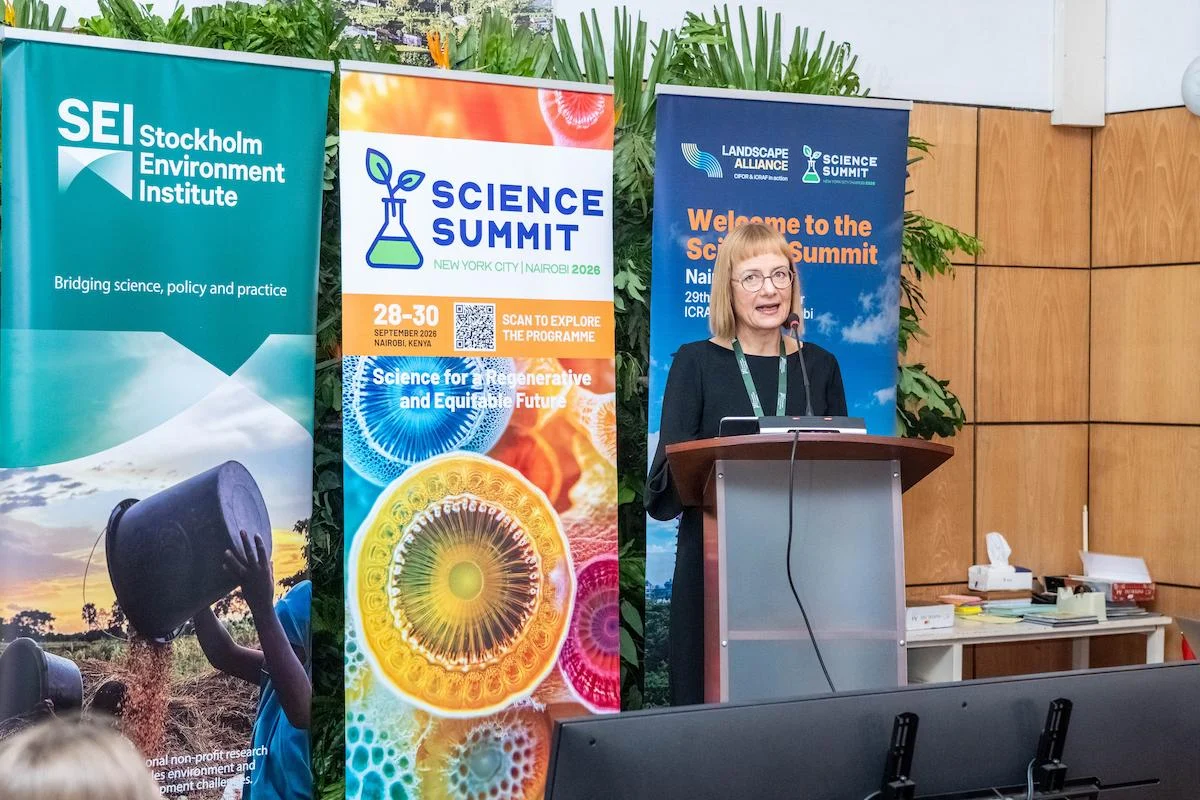
As Eeva Primmer, SEI Executive Director, noted:
“For SEI, hosting this dialogue at the Science Summit is an absolute honour. It’s a wonderful opportunity for us to bring together our existing and future partners, including the participants. We want to highlight African-led research so that Africa is a part of the global discussion. SEI connects local, national, regional and global science policy and practice.”
Her remarks pointed to the dialogue’s wider purpose: connecting evidence generated at national, regional and global levels, and giving African-led research a stronger place in global science-policy discussions.
SEI Executive Director Eeva Primmer
Photo: Ninai Media
Hosting the Summit in Nairobi was significant, as it brought global discussions on science, policy and research partnerships closer to institutions and policymakers in Africa, creating space for African perspectives to participate in conversations that will shape the future of research and international collaboration.
As Ondrej Simek, Deputy Head of Delegation and Deputy Ambassador of the EU to Kenya, put it: “We are bringing these global conversations of science and policy much closer to the African institutions, to the researchers and the policymakers. And to make sure that African priorities, expertise and leadership truly help shape the future of science innovation and sustainable development.”
Participants emphasized that research should address local challenges and be developed collaboratively with the communities it serves. For African researchers and institutions, this means ensuring that research priorities and evidence reflect the realities of the contexts in which decisions are being made, whether on climate adaptation, food security or sustainable development.
Building strong partnerships between researchers, policymakers, and other stakeholders from the start makes research findings relevant and better positioned to be actioned by policymakers.
Discussions highlighted that while generating evidence matters, securing resources to sustain research and partnerships is equally vital to translating evidence into policy and practice.
Experts stressed the need to rethink how research and climate adaptation are financed. Adaptation is often viewed as a cost, rather than an investment, while short-term project funding can make it difficult to build the partnerships, research capacity and evidence needed for lasting impact.
Experts called for longer-term investment that can strengthen research systems and give researchers the time and resources to generate evidence that responds to local realities. This matters especially for climate adaptation. Global assessments such as those from the Intergovernmental Panel on Climate Change (IPCC) provide policymakers with crucial scientific evidence, but participants noted that they do not always capture the specific contexts in which decisions are made.
A recurring message was the importance of strengthening African-led research – from shaping research agendas and formulating context-specific questions to generating evidence that can influence policy. This requires partnerships that recognize and build on local and Indigenous knowledge, rather than relying solely on top-down approaches. For Africa–Europe collaboration in particular, this means moving beyond project-by-project partnerships towards longer-term ones that strengthen research ecosystems and support shared learning.
The dialogue also highlighted the need to invest in early-career researchers and women scientists, who are often seen as project participants rather than as active leaders shaping research agendas and decisions. Addressing the gender gap in research Dr Ida Odinga, Kenya’s Permanent Representative to the UN Office at Nairobi (UNON) and the UN Environment Programme (UNEP), said the focus must shift from encouraging basic participation in science, technology, engineering and mathematics (STEM) to building complete professional pathways. The goal, she added, is to move women from having a “seat at the table” to leading multinational programs and scientific institutions.
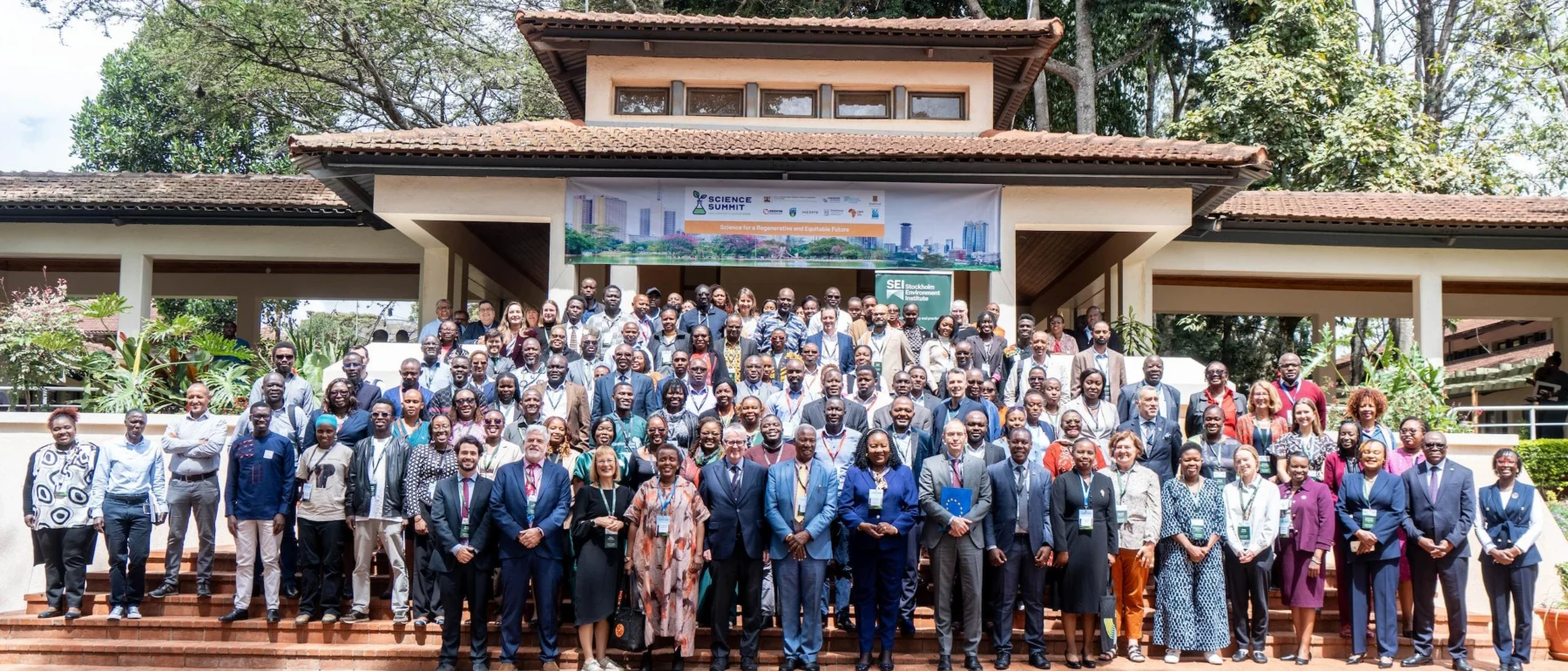
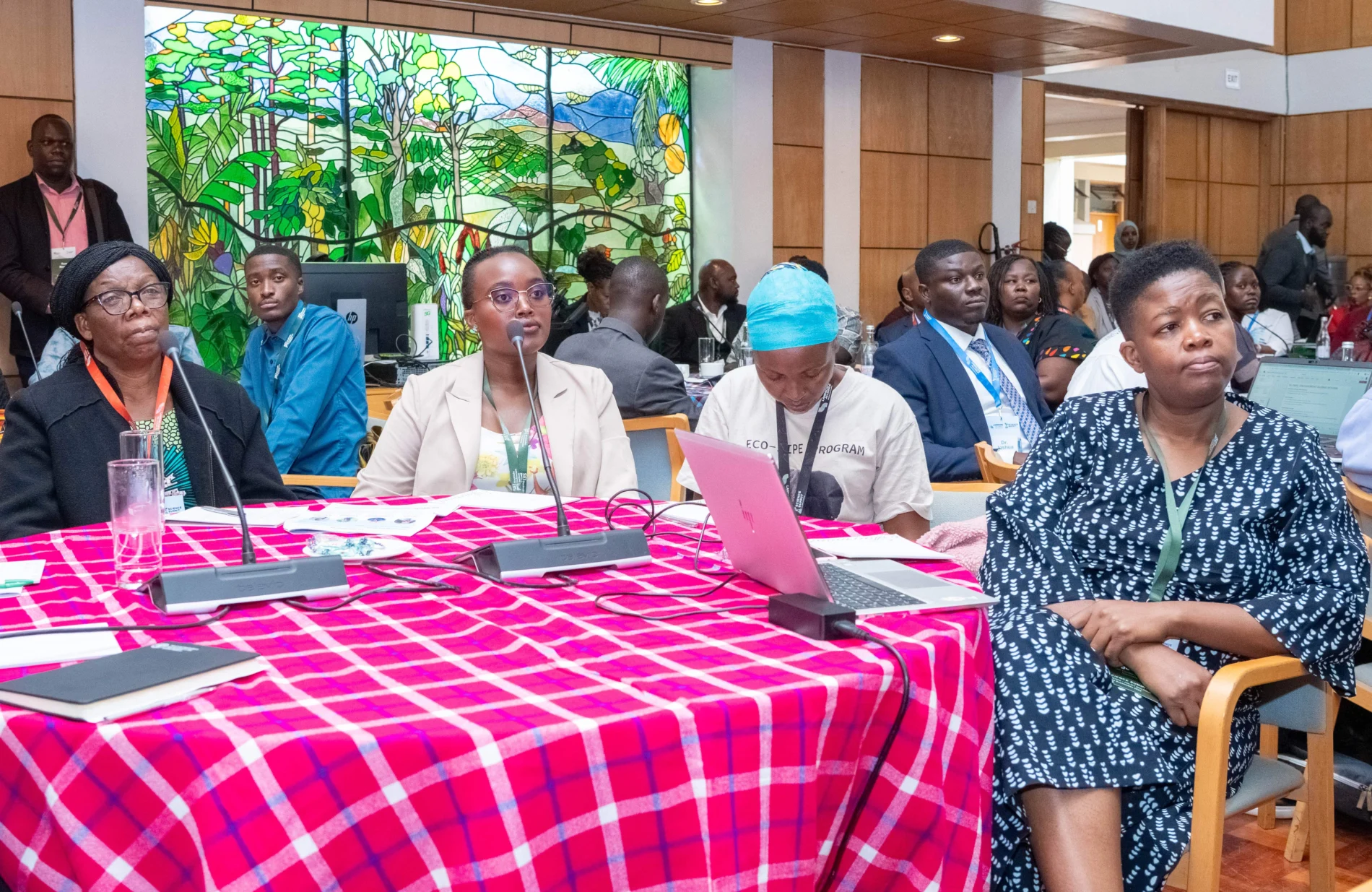
Participants at the SEI science policy dialogue
Photo: Ninai Media
Discussions also explored how science diplomacy can help strengthen collaboration amid increasingly fragmented international relations. Challenges such as climate change, health, agriculture, food systems, technological advancement and sustainable development require scientific knowledge that reflects their complexity and interconnectedness.
While science diplomacy has traditionally been seen as the domain of diplomats, researchers, universities and scientific institutions are increasingly helping to build connections and sustain international collaboration. This broader role can help maintain dialogue, build trust and strengthen partnerships across borders. For Africa and Europe, it creates an opportunity to consider how research partnerships can contribute not only to knowledge generation but also to longer-term relationships and shared responses to global challenges.
The timing matters.
The Nairobi dialogue demonstrated the value of bringing these conversations closer to the institutions and researchers at the heart of Africa’s research and policy landscape. But it also highlighted that meaningful participation goes beyond having a seat in global conversations.
If Africa–Europe partnerships are to support research that can shape responses to the challenges ahead, it is no longer a question of how much research is produced, but who sets the agenda, who has the resources to lead it and how effectively evidence reaches decision-makers.
Feature / Biodiversity action is falling short – SEI shares five recommendations for building more resilient societies ahead of COP17.
Feature / At the Bangkok Climate Action Week 2026, SEI Asia will showcase research and build pathways for climate action through science, dialogue, and engagement.
Journal article / This research maps evidence on how physical and transition climate risks affect real estate valuations, drawing on 130 academic and grey literature sources.