The world is gearing up for the third UN Ocean Conference from 9-13 June, but what is the event really about? In this Q&A, SEI’s ocean specialists Karina Barquet and Charlotte Wagner explain how the conference works – and why it matters.
Karina Barquet leads the Water, Coasts and Ocean team at SEI Headquarters while Charlotte Wagner is an ocean researcher at SEI US. Both will participate in the UN Ocean Conference in Nice, France. Charlotte will also join the preceding One Ocean Science Congress.
What is the UN Ocean Conference?
Karina: The UN Ocean Conference is a global gathering on ocean issues convened by the United Nations. Its aim is to “catalyse urgent action to conserve and sustainably use the ocean, seas and marine resources for sustainable development, supporting the implementation of Sustainable Development Goal 14”.
This year’s conference prioritizes three areas:
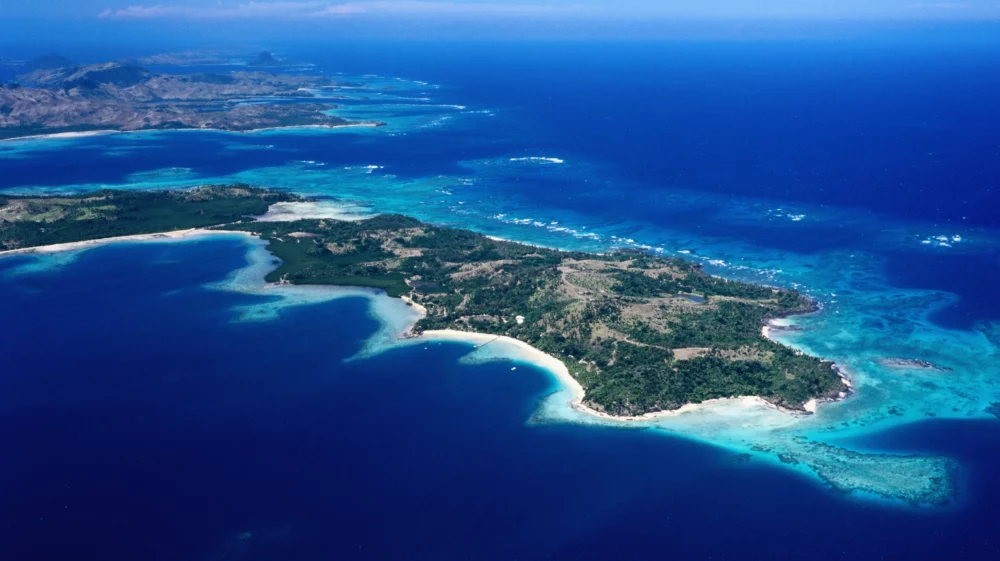
The event is co-hosted by France and Costa Rica and marks the third UN Ocean Conference (often abbreviated as UNOC3). Previous conferences were held in New York in (2017, co-hosted with Fiji and Sweden) and Lisbon (2022, co-hosted by Portugal and Kenya).
What is the One Ocean Science Congress?
Charlotte: The One Ocean Science Congress (OOSC) is a special event under the UN Ocean Conference, convening more than 2000 ocean scientists in Nice from 3–6 June. Its goal is to provide conference participants with comprehensive scientific insights into the ocean’s health and future, enabling evidence-based decision-making.
The importance of this cannot be overstated. The ocean sustains life – providing oxygen, food, climate regulation and biodiversity – yet it’s often neglected in decision-making. The UN’s declaration of 2021-30 as the “Decade of Ocean Science” was a positive step, but we must constantly urge decision-makers to make use of this knowledge.
Why is the UN Ocean Conference important?
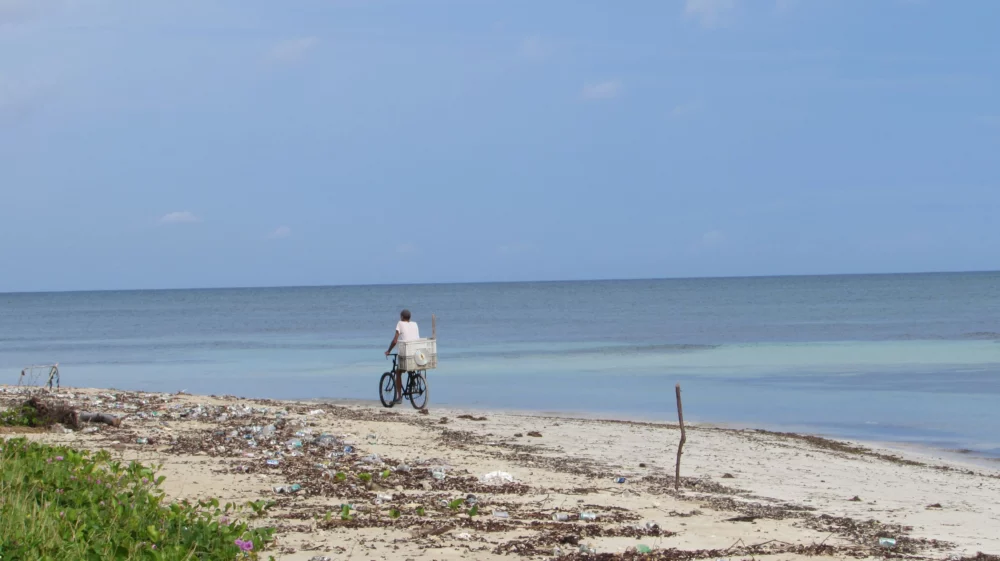
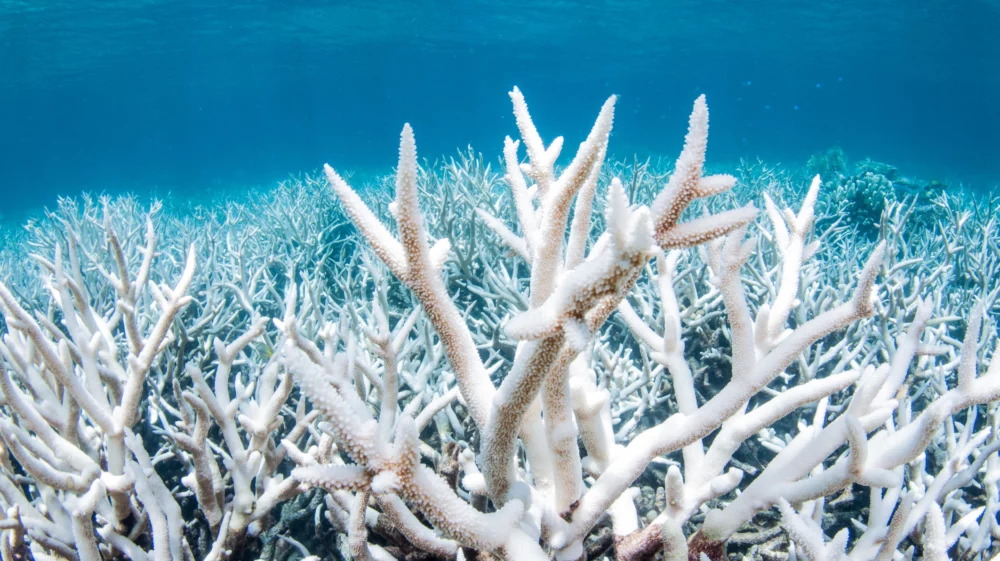
Charlotte: This is the highest-level global forum that focuses solely on ocean protection and sustainable use. It’s one of the rare times the global spotlight shines on the ocean. We must acknowledge both the critical services it provides and the alarming rate at which those services are deteriorating. Overfishing, pollution, rising temperatures, acidification and destruction of marine and coastal ecosystems all pose urgent threats.
Karina: Hopefully, this urgency will be reflected in both the conference discussions and the outcome document, which has already been negotiated and will be adopted by consensus. Since much of the ocean’s degradation happens beneath the surface, it’s often invisible – and forgotten. Yet a healthy ocean holds solutions to some of our biggest challenges, like the climate crisis, biodiversity loss, pollution, poverty and hunger. We simply cannot solve these issues by focusing only on the 30% of the planet that is land.
One encouraging trend is that the international community appears more willing to collaborate on ocean issues than on many other topics. These discussions can help maintain diplomatic dialogue on sensitive topics even amid geopolitical tensions.
Many of the most important discussions at the conference will relate to other policy processes. For example, the event is expected to push more countries to ratify the High Seas Treaty, which safeguards marine biodiversity beyond national jurisdictions. Plastic pollution will also be a key topic, ahead of resumed negotiations on a global plastics treaty in August. The contentious issue of deep-sea mining will likely be discussed, especially as the International Seabed Authority is scheduled to meet soon after the conference. Ocean experts will also aim to influence climate negotiations ahead of the climate COP30 later this year.
What will happen at the UN Ocean Conference?
Heads of State and Government representatives will attend, along with delegates from the UN system, intergovernmental organizations, financial institutions, academia, civil society and the private sector.
Governments will present country positions, contribute to ten Ocean Action Panels, and make various pledges – including formal Voluntary Commitments, which are open to all stakeholders. The conference will also issue a joint declaration, built on a previously presented Zero Draft.
In addition, a variety of side events will take place. Some are held within the formal Blue Zone; others are part of the official program but located throughout the city of Nice. There are also official digital events and a public-facing Green Zone.
How will SEI be engaging?
SEI will be actively engaging throughout the conference to advance discussions on sustainable ocean governance, science-policy integration and local resilience.
On 12 June, SEI will host the half-day event Seas of Change focused on innovative approaches to enhance coastal resilience and combat pollution. We are honoured to co-organize this with the governments of Fiji and Sweden, along with partners such as the Global Fund for Coral Reefs of the UN Capital Development Fund, World Bank, Pacific Islands Development Forum, French Water Partnership and The Ocean Cleanup.
The first session, Enhancing coastal resilience for a thriving blue economy, is part of the official program. It will explore how the blue economy can boost coastal resilience through blue carbon financing, investment in nature-based solutions, marine spatial plans and multifunctional technologies.
The second session, Turning the tide: governing marine pollution from source to sea, will offer insights into plastic pollution negotiations and showcase innovative solutions for protecting coastal and marine ecosystems.
SEI will also participate in several partner-led events. Karina Barquet will speak on 11 June at Island waterscapes: where freshwater currents meet ocean resilience, organized by French Water Partnership. On 9 June, she will moderate the panel Climate and Resilience – how to sustainably harness the potential of ocean-based energy to advance the health of our planet at a high-level event organized by the Government of Sweden and Business Sweden on circular solutions and ocean energy.
Charlotte Wagner will present a poster at the One Ocean Science Congress titled Advancing research and policy engagement to mitigate pollution threats to small-scale fisheries for sustainable food security.
To learn more or connect with SEI’s delegation, visit our continuously updated event page.
What do you hope will come out of the UN Ocean Conference?
Charlotte: I hope the conference strengthens international momentum for protecting ocean health through clear, enforceable commitments and more inclusive, coordinated action. This is a pivotal moment to push for a more coherent, equitable and science-based global ocean governance framework – particularly to reduce marine pollution from plastic waste, nutrient runoff, and chemical contaminants. It is also crucial to strengthen support for low- and middle-income countries. With the Plastics Treaty negotiations continuing in August, this is a key opportunity for stakeholders committed to ending ocean pollution and safeguarding marine livelihoods to exchange knowledge and align their positions.
Karina: I hope for increased engagement and ambition, particularly given today’s difficult geopolitical landscape. It’s crucial to address funding and coordination gaps left by a diminishing USAID presence, especially in vulnerable coastal regions. I also want to see enough momentum – and ratifications – for the High Seas Treaty to come into force and begin shaping how we manage and protect marine biodiversity beyond national jurisdictions. Beyond policy and finance, we must also spotlight real-world success stories. These examples of resilience, innovation and progress are what keep the momentum alive and prove that effective ocean action isn’t just possible – it’s already happening.
Visit our event page to learn more about our activities, including the half-day event Seas of Change on 12 June.
Past event / SEI joins the UN Ocean Conference in Nice to promote coastal resilience and solutions to ocean pollution through events and expert insights.
Project / The Resilient Coasts Caribbean Sea project operates "living labs" for coastal ecosystem management using nature-based solutions.
Initiative / The Gridless Solutions Initiative explores alternative technologies for the delivery of critical services like energy, sanitation and freshwater.
Program / The Innovacuba programme promotes innovation for climate change adaptation, bioeconomy and nature-based solutions in Cuba.
Perspective / These emerging trends, competing interests and major events that could bring the ocean to the top of the global agenda in the coming year.
Perspective / Karina Barquet discusses the innovative strategies of Small Island Developing States in tackling climate change challenges.
Journal article / Decentralized grid solutions could be a feasible alternative to improve resilience and mitigate cascading effects in island states.