On 5 June, the world marked World Environment Day with a resounding call to “beat plastic pollution.” At SEI Africa, Charity Waeni sat down with newly appointed Centre Director Niall O‘Connor to discuss the urgent and complex challenge of plastic pollution across the continent and beyond.
Drawing on decades of experience in environmental conservation and leadership in Africa, as well as plastic pollution initiatives in South East Asia, O’Connor brings a unique perspective to the global plastics challenge. In this interview, he discussed the region’s progress, policy priorities and how research institutions like SEI can catalyse systemic change.
How does plastic pollution impact ecosystems and biodiversity, both on land and in marine environments?
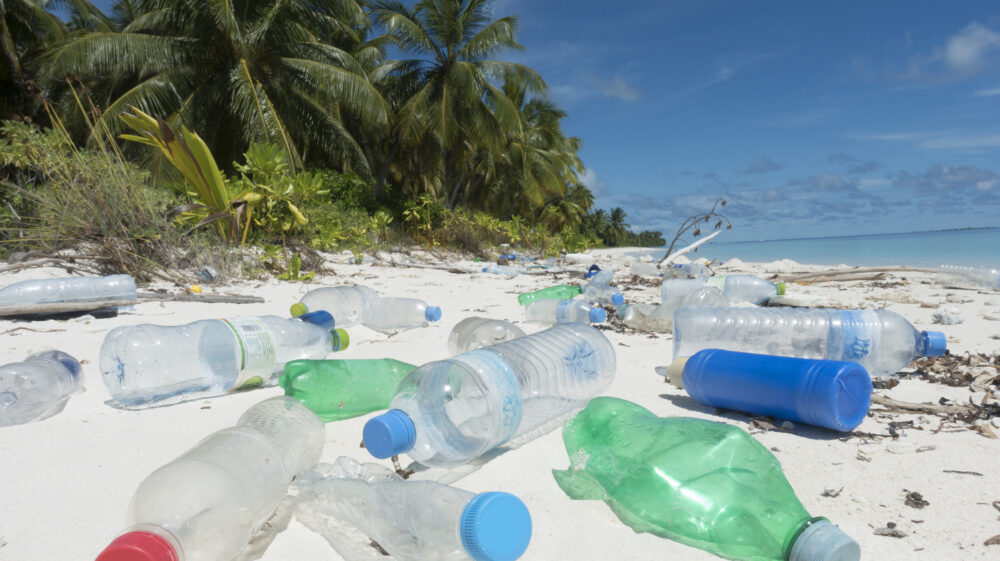
Plastic waste pollutes and harms us in many ways. It affects natural habitats for animals and plants in water and soil. and it contributes to climate change. Small plastic particles, known as microplastics, can also enter the body and bloodstream, potentially causing health effects – though more research is still needed in this area.
In your view, what are the most pressing challenges in tackling plastic pollution today, particularly in developing countries?
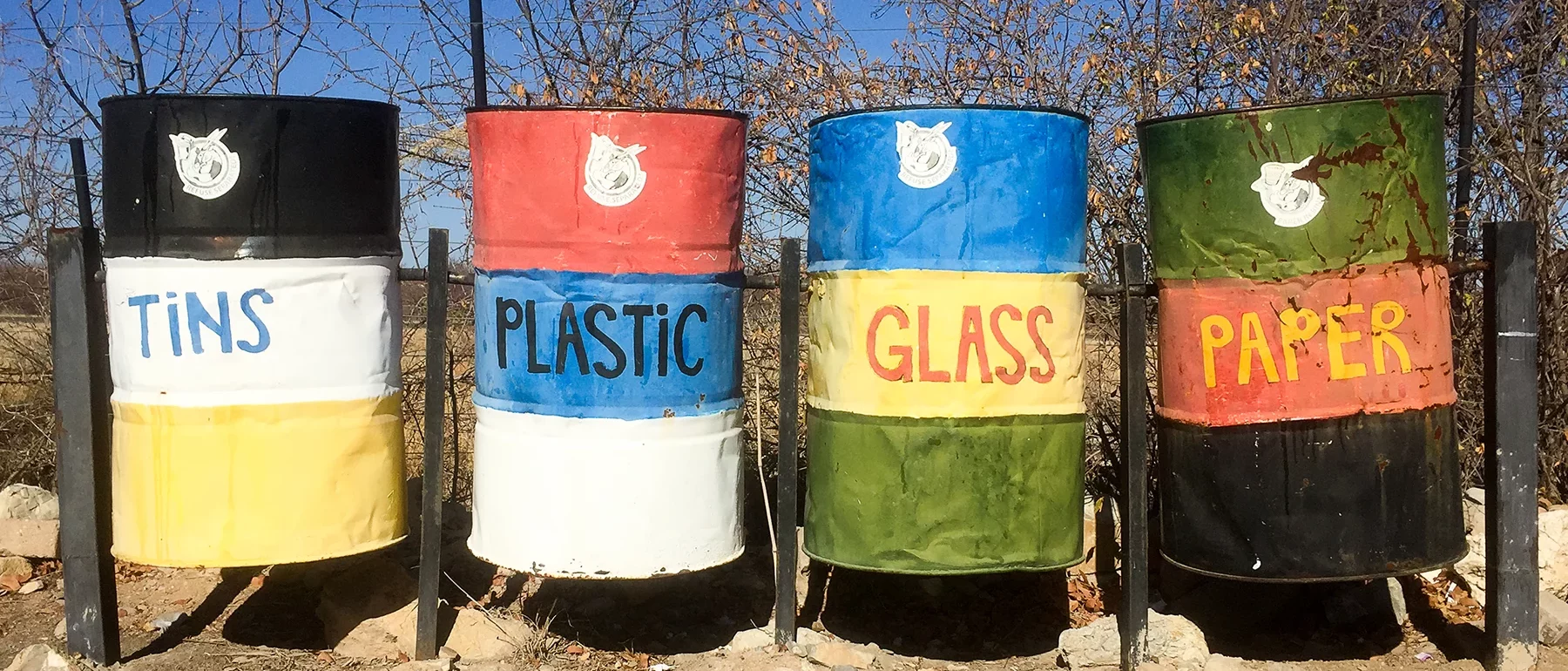
Many developing countries have developing recycling systems. Much of the recycling is done by informal systems, where processes are less automated, and many workers operate under unsafe conditions and earn low wages. I would recommend addressing these challenges by integrating their work into existing formal waste collection and recycling systems to boost national plastic recycling capacities. However, workers in the informal sector may not want to formalize, so it’s essential to engage them through a participatory process to find ways of improving their working conditions. At the same time, we need to reduce the volume of plastics produced by factories, as well as the waste coming from our homes and enterprises.
From a research perspective, what gaps exist in our understanding of the impact of plastics on human health and the environment?
There is currently limited evidence on the direct impact of microplastics on the human body. To truly understand how these particles affect human health – especially given their ability to travel through the bloodstream and even reach the placenta – we need to apply a stronger health and biological lens. This means deeper interdisciplinary research that bridges environmental science with toxicology, human physiology and public health.
What policy or regulatory interventions do you believe would have the most immediate impact on reducing plastic waste?
Governments need to phase out certain types of plastics that are hard to recycle. They include multi-layer plastics often used for food packaging and low-value plastics such as coloured PET bottles, which are harder to recycle and more likely to end up in landfills or water bodies. Regulatory authorities should also mandate manufacturers to clearly label the plastic types used in their products, enabling recyclers – particularly those in the informal sectors – to sort them more easily.
But the most important policy shift is to require manufacturers to adopt eco-friendly alternatives to conventional plastic packaging.
How can communities and individuals meaningfully contribute to ending plastic pollution beyond just recycling?
You’re right in the sense that individuals and communities do have a role to play in ending plastic pollution, but it’s a systemic issue that requires awareness creation and widespread behavioural change. At the household level, people can choose products with minimal plastic, avoid single-use plastics, or better still, use non-plastic materials. If plastic use is unavoidable, developing ways of sorting household plastic waste could ease the burden on waste pickers and recyclers, who are mostly in the informal sector.
What role can science and innovation play in creating sustainable alternatives to plastic, and how close are we to viable large-scale solutions?
The solution to plastic pollution lies in science and innovation. Through science and innovation, we understand the effects of plastics on the planet and develop tools, technologies, and systems to mitigate them. For example, biodegradable plastics have proven to be very effective in promoting environmental sustainability. In other sectors and industries, entrepreneurs have discovered that plastic waste such as bottles can be shredded, melted and utilized in manufacturing other materials.
While we still have a long way to go, efforts from both the private and public sectors are really commendable. Research is driving innovation, and many technologies are being developed as a result, and many counties like Kenya are in that transition period.
What interventions are being undertaken by SEI to address plastic pollution in Africa?
As a research institution involved in policy advocacy, SEI will continue to provide evidence to help inform policy and to build the capacity of stakeholders in the private and public sectors. One of the core priorities in our 2025–29 strategy is to deepen engagements with our policy networks, so we hope to connect more deeply with stakeholders in plastics and produce research to help understand and address the problem of plastic pollution.
SEI is doing research on different forms of marine pollution, and we are closely following the negotiations about a global plastics treaty, to resume in August 2025. At the recent UN Ocean Conference, SEI organized events and raised awareness of ways to improve pollution governance.
Read more:
SEI launches community of practice at the 2025 UN Ocean Conference | SEI
Feature / An additional 6 million metric tons of plastic waste was generated in 2021 compared to 2019. SEI's Toby Gardner says decisive government action is needed.
Feature / Analysis shows that a small handful of companies and banks are behind the production of most single-use plastics. SEI's Toby Gardner contributed to the report.
Other publication / This report focuses on how clay, one of the world's oldest construction materials, has the potential to drive a lower-carbon future for the cement industry.