Anderson Kehbila, SEI – Africa Research Associate was featured in an article published by The Conversation, where he spoke on the steps Kenya has taken to mitigate carbon emissions. Drawing from his research, he suggested effective strategies for the country to curtail emissions. He also put forward recommendations for actions that the Kenyan government should undertake to tackle the challenges the country faces in transitioning towards a low-carbon, climate-resilient economy.
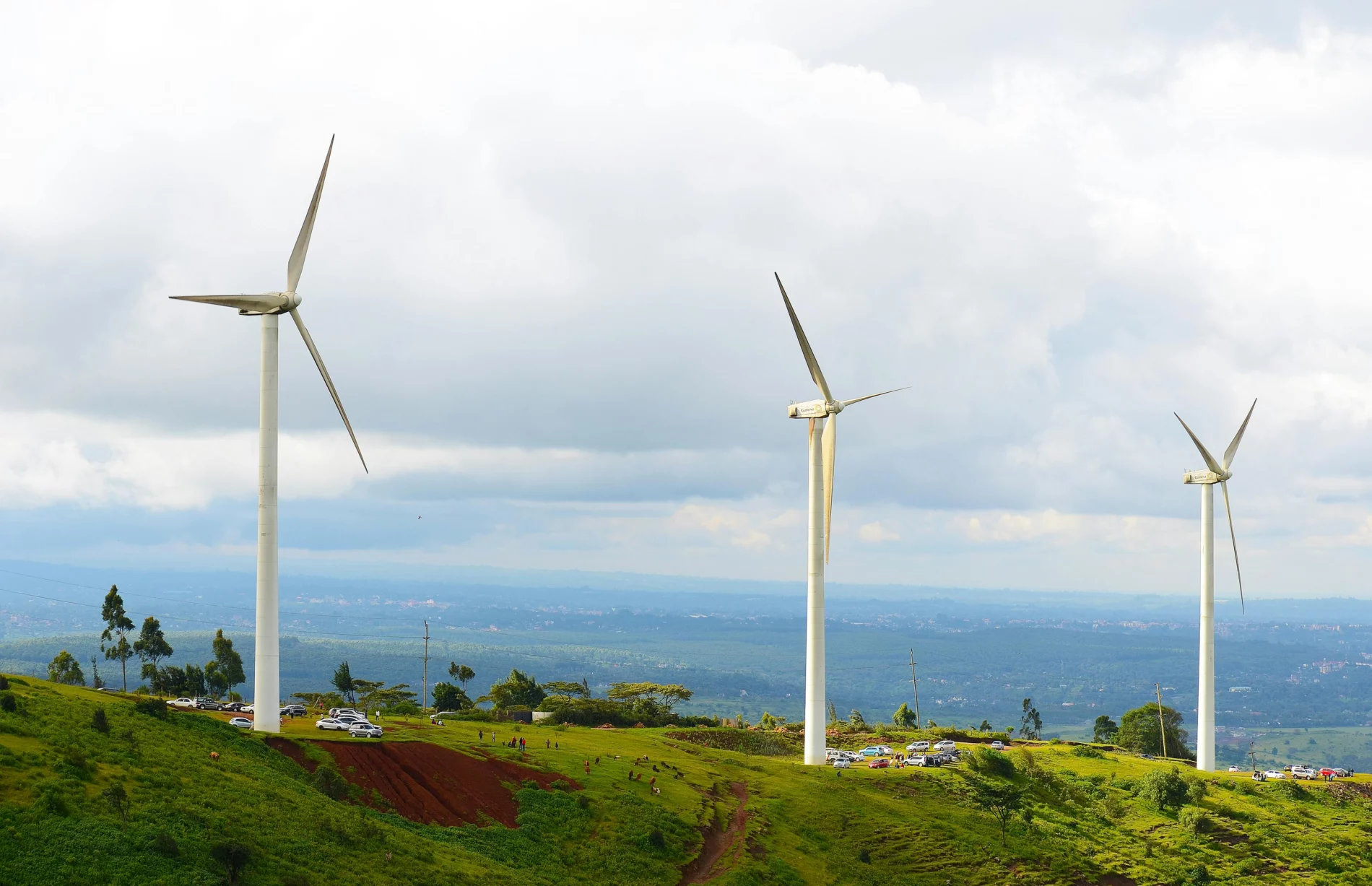
Wind turbines on Ngong hills, Kenya
Photo by Simon Brandintel/Pexels
Kenya has set ambitious targets to slash carbon emissions by a third by 2030 and achieve near-zero emissions by 2050, a bold move with major implications for its economic development. Over the past decade, the country has made notable progress by shifting toward renewable energy sources like geothermal, wind, and solar, which now supply 90% of its electricity. However, the path to a low-carbon future remains complex, especially as competing interests, such as stalled coal power projects, threaten to reverse these gains.
While Kenya’s power sector leads the way, other high-emission sectors like agriculture, transport, and residential cooking lag behind. To fully transition to a low-carbon, climate-resilient economy, the country must scale up green technologies, attract private-sector investment, and create supportive policies that make clean energy affordable and accessible. Achieving these goals will not only cut emissions but also unlock sustainable growth, green jobs, and greater resilience to climate impacts.
Read full article at The Conversation
SEI report / This report analyses the extent to which African policies and practice aid the value and trade of critical minerals for the continent's renewable energy future.
Other publication / This research highlights the need to treat social viability as a core part of renewable energy planning, investment and implementation.
Media coverage / SEI’s Maria Nkhonjera noted that reforming international credit ratings could allow energy projects in Africa to reach their potential.