“Nigeria’s journey toward low-carbon transport is both a massive challenge and a significant opportunity. The private sector is already showing that it is ready to innovate and invest. With the right support, through better training, inclusive designs, and easier access to finance, this momentum can lead to real results,” writes Jennifer Aghaji in Nigeria’s The Guardian newspaper.
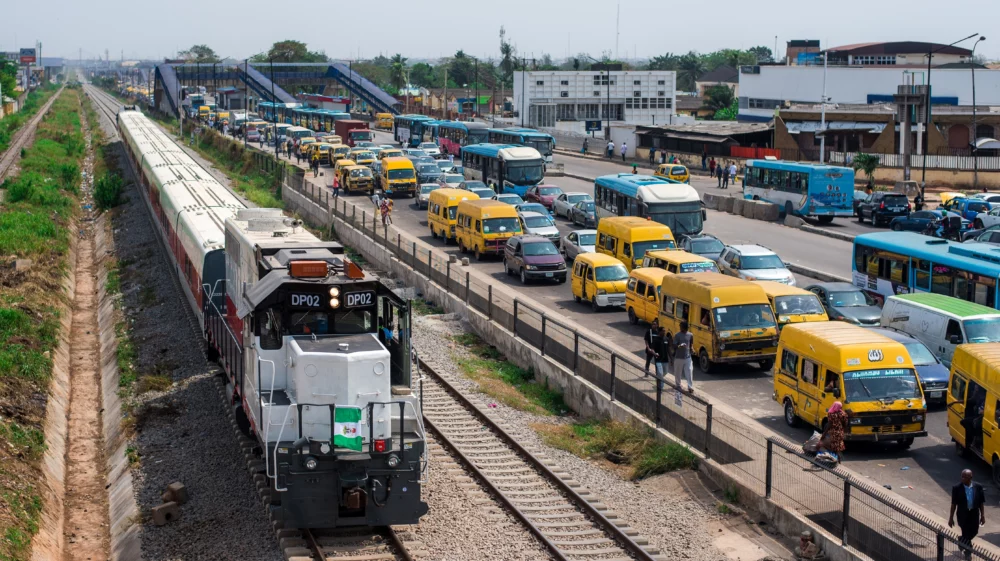
Nigeria’s transport sector is at a pivotal moment. The conversation has moved from policy discussions onto the pavement. For a commuter in Abuja watching petrol prices climb toward N1,300 per litre, or a logistics manager in Enugu trying to keep a fleet of delivery trucks moving, decarbonisation is a necessary survival strategy rather than an environmental buzzword.
As our cities expand, the cost of moving people and goods is driving inflation and choking our air. While the Presidential CNG Initiative and the National Land Transport Policy have set a bold stage, there is a missing link between national ambition and the local garage.
The question is no longer why we should transition, but how we pay for it.
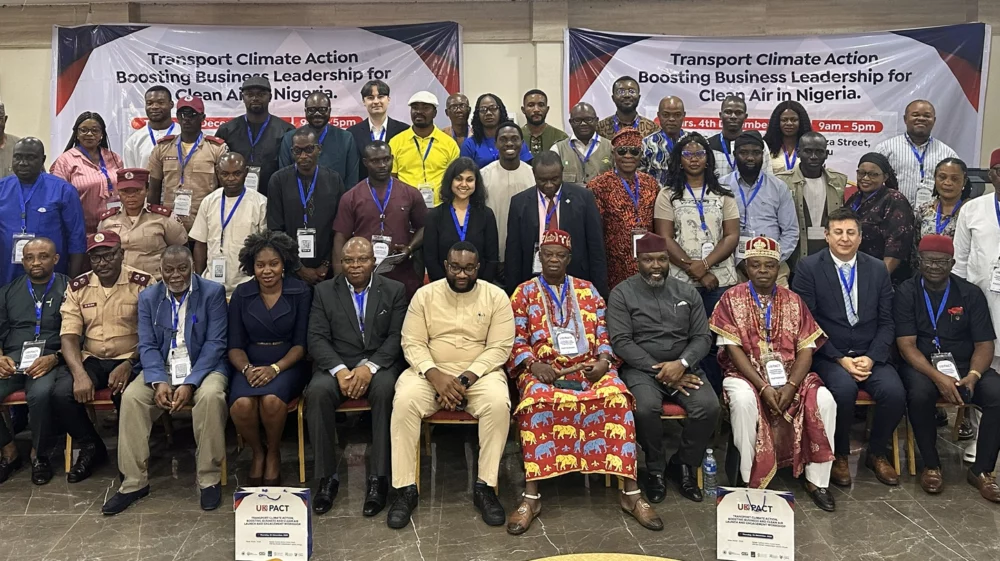
Recent meetings with business leaders in Abuja and Enugu, supported by the UK PACT project, show that the conversation has reached an important turning point. Discussions are no longer focused only on the urgency of climate action, but on how to deliver it in practical and inclusive ways that work for businesses of all sizes. The private sector is the engine of this change because transport underpins so much of the Nigerian economy. From logistics firms to companies that rely on daily deliveries, private actors are the ones shaping demand and innovation.
For this potential to be unlocked, businesses need the right conditions to succeed. This includes clearer direction from policymakers, stronger frameworks for putting those policies into action, and the kind of infrastructure that supports a long-term transition.
Strengthening the link between official policy and everyday practice is the only way to ensure that new solutions can grow effectively across the country.
While interest in green transport is growing, many businesses are still trying to build the technical and financial skills needed to access climate funding. This process involves creating detailed data on emissions and building strong business cases that meet international sustainability standards. During these discussions, one participant highlighted a major frustration by noting that “the list of requirements for bankable projects is too long”. This reflects a broader feeling that the complexity of modern financial expectations can feel like a significant hurdle for local projects.
There is a clear need to explore different types of funding beyond traditional models, especially for the small and medium-sized enterprises (SMEs) that are the backbone of Nigeria’s economy. Supporting these smaller businesses to track their emissions and improve their project designs is a critical step in making sure more people can participate in climate action.
One of the most profound shifts in our recent discussions is the integration of Gender Equality, Disability, and Social Inclusion (GEDSI). In the past, this was seen as a checkbox, but now it is increasingly recognised as a design necessity.
As one stakeholder noted: “It’s not just the right thing to do – it brings more people into the system.” A transport network that isn’t accessible to a parent with a pushchair or a trader with a physical disability is a network that is haemorrhaging potential customers. By designing for the “last mile” and the most vulnerable, we increase the total addressable market of our transport systems, making them more resilient.
Nigeria’s journey toward low-carbon transport is both a massive challenge and a significant opportunity. The private sector is already showing that it is ready to innovate and invest. With the right support through better training, inclusive designs, and easier access to finance, this momentum can lead to real results. Integrating social inclusion will ensure that progress is not only good for the planet but also meaningful for the economy. This transition from planning to action will define Nigeria’s future, creating a more practical and fair transport system from Abuja to Enugu and beyond.
This article was originally published on 6 April 2026 in Nigeria’s The Guardian newspaper.
Project / The project boosts public–private collaboration to deliver inclusive climate and clean air transport initiatives in Nigeria.
Feature / UK PACT is supporting Nigerian firms to measure emissions, access climate finance, and lead clean air action in the transport sector.
Perspective / Fossil fuel narratives in Colombia and Nigeria reveal tensions between climate goals and economic priorities.
SEI brief / The authors present a critical assessment of oil and gas production narratives in developing countries to highlight barriers to low-carbon transition.