part of The Paris Agreement 10 years later
Start readingKaren Brandon sets the scene for a series of perspectives – written by researchers from SEI’s seven global centres – marking the 10-year anniversary of the landmark Paris Agreement.
On that day 10 years ago, the atmosphere was electric. Even before Laurent Fabius, the President of the UN Climate Conference, brought down his gavel, the cheers and applause had begun. The hundreds of people in the room on 12 December 2015, rose to their feet, in effect giving a standing ovation to a document and all that it symbolized.
In that heady moment, the world had ratified hope, delivering it in the form of an international treaty called the Paris Agreement. The document was a globally historic instrument borne out of careful wordsmithing, deliberate power balancing, and diplomatic derring-do. The treaty without the words “climate change” in its name or “fossil fuels” in its content committed the world to pursue changes that had proved elusive for so long that even the ardent climate champion Christiana Figueres conceded that she had initially considered the task impossible. The 195 Parties aimed to hold global temperature rise to “well below 2°C” and to pursue efforts to limit the rise to 1.5°C. In short, the Paris Agreement set out in 25 pages how to change the world.
And now?
Change became the hallmark of the decade that followed. Technologies surged forward faster than had been expected – bringing down prices of renewable energy but also unleashing powers to create shockingly persuasive misinformation and disinformation campaigns. A global pandemic reminded the world that no nation stands alone; yet geopolitical upheaval – wars over territory, trade, resources, and technological and economic might – overtook international cooperation. Concerns over climate change grew, but climate action as a policy priority seemed to take a back seat as populism rose, political priorities shifted towards defence, and concerns grew among the public about other matters: immigration, the cost of living, and economic security. The green revolution, which had promised to be a driver for economic opportunity began to come across as one more economic burden. Fridays for Future riveted the world with youthful hope – and then seemed to vanish.
Analysis in the journal Nature has suggested that efforts to reduce carbon dioxide emissions over the decade led to a striking fall in carbon intensity (the carbon emissions per unit of GDP) but that emissions nonetheless rose because of economic growth. Meanwhile, over the 10 years since the Paris Agreement, global temperatures rose, as did the risks of breaching commitments to the 1.5 degree temperature limit. Record floods, record heat, record wildfires, prolonged droughts, rising sea levels all grimly underlined the consequences. Speaking in Belém, Brazil, last month, UN Secretary-General António Guterres observed, “No one can bargain with physics. But we can choose to lead – or be led to ruin.”
Against such a backdrop, what, if anything, has the historic Paris Agreement meant? And what will it mean going forward?
As the 10th anniversary loomed in December, SEI researchers parsed the legacy and future of this seminal agreement. Researchers from SEI centres around the globe offered their takes – examining whether and where the Paris Agreement has achieved successes, how and why it has fallen short, and what and when changes can and should come.
Individual perspectives on the Paris Agreement were published daily over two weeks through 12 December, the anniversary of the reaching of the accord. See the full series here.
Media advisory / SEI invites journalists to a media briefing where its leading experts will share their perspectives on the major themes shaping COP31.
Perspective / Asia’s next financial revolution must make climate adaptation finance accessible to vulnerable households and small businesses.
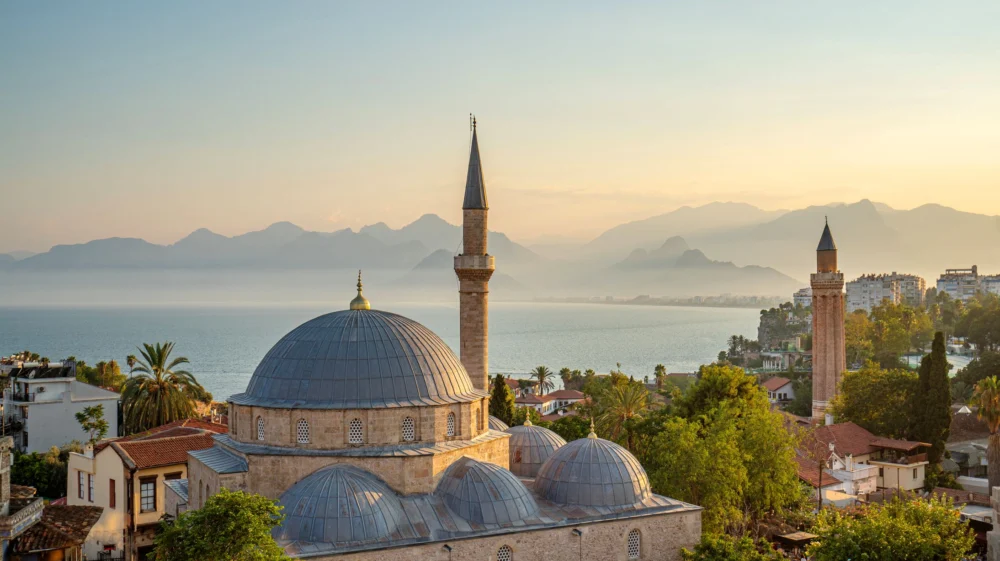
Event on 09 November – 20 November in Antalya / Discover how SEI is contributing to global climate action through collaboration, engagement and impact at this year’s COP in Antalya.