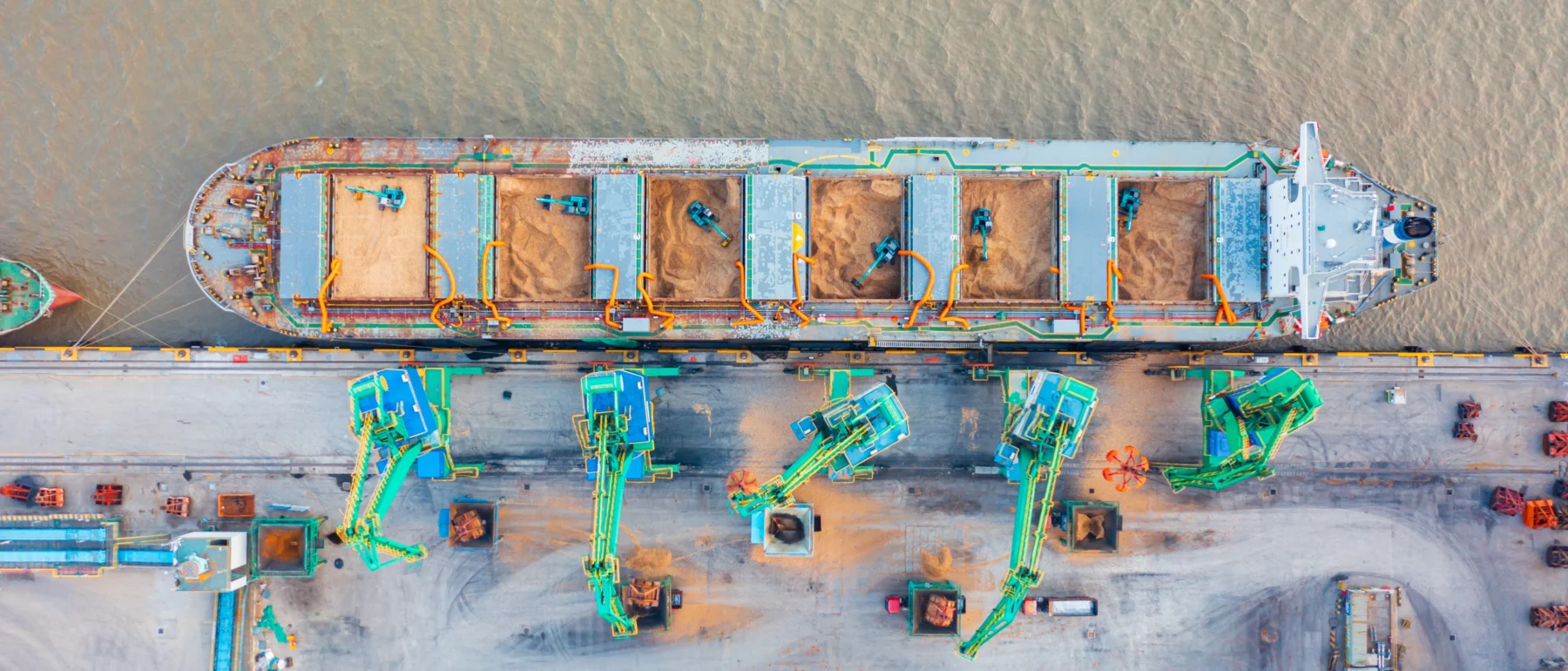
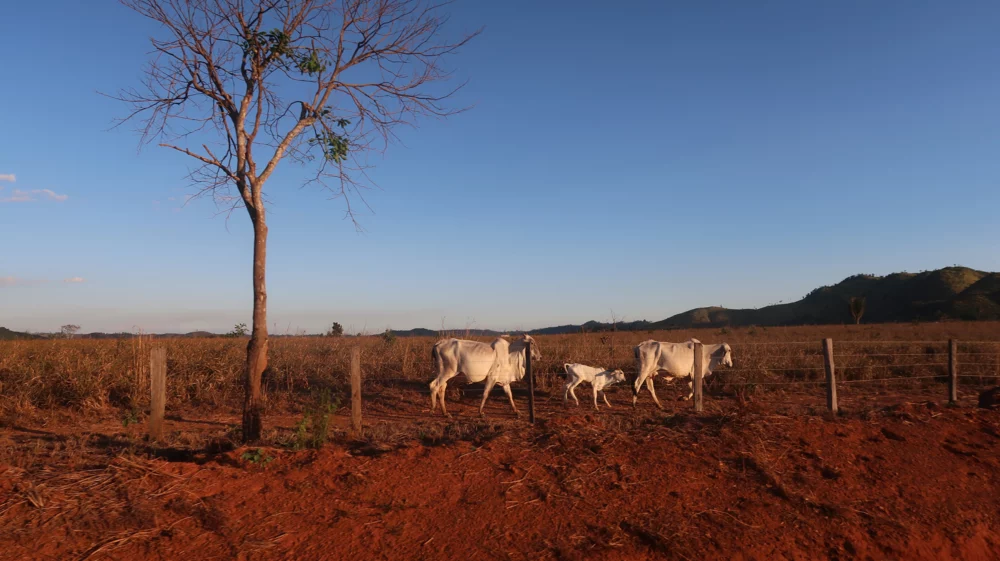
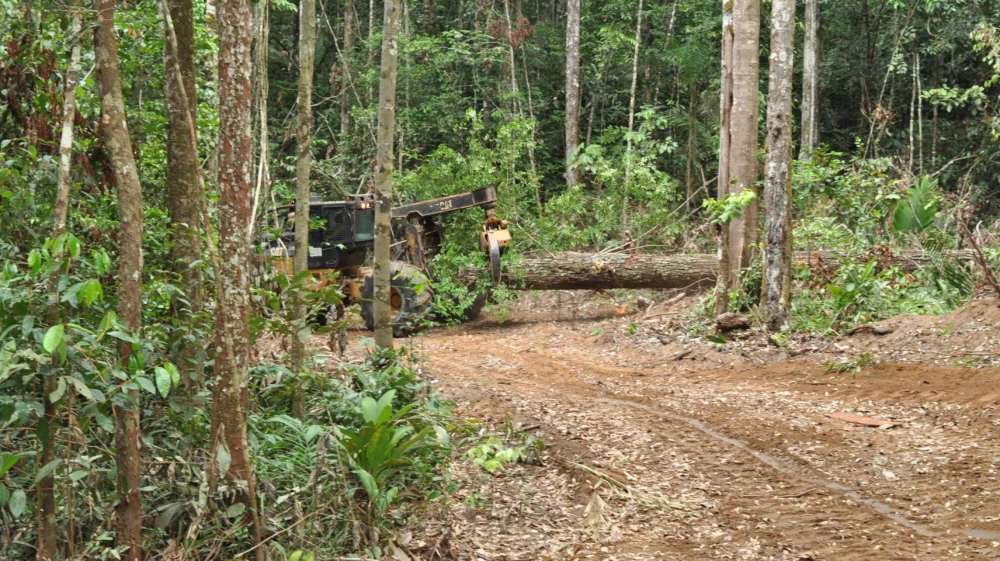
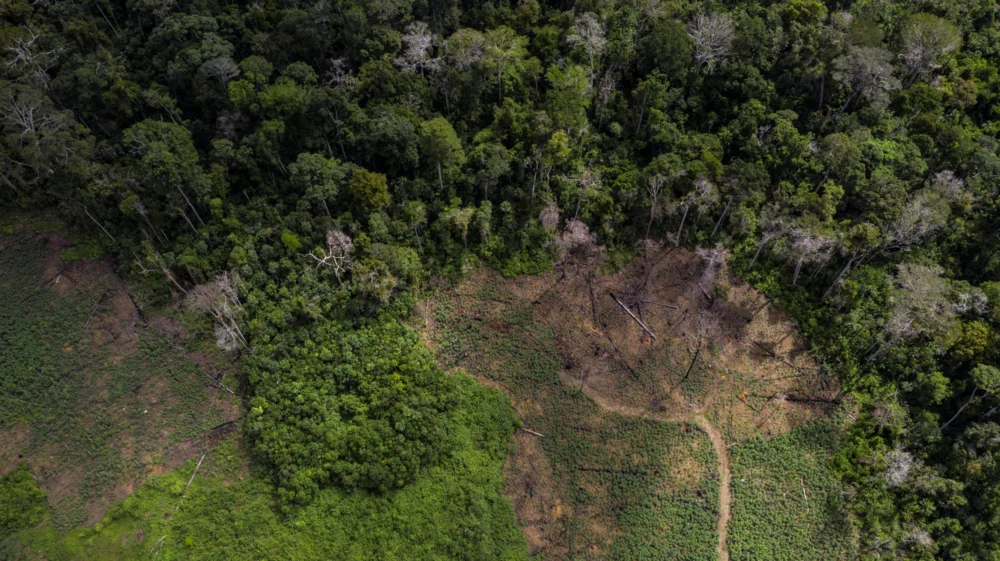
Brazil and China have the opportunity to use their powerful trade alliance to ensure future food security and economic stability by curbing deforestation and reducing climate change, according to a new report by Trase.
This report explores how Brazil and China can capitalise on the strength of their relationship to expand their joint leadership in the energy transition, as well as in forest protection and restoration within their own countries, to fundamentally reshape the sustainability of agricultural commodity trade.
As the world’s second-largest agricultural exporter, Brazil’s exposure to climate and deforestation risks has global implications, posing systemic threats to its economy as well as to the food security of import-dependent countries worldwide. With China as the world’s largest agricultural importer, there are no bilateral trading relationships more significant to the global food system than agricultural exports from Brazil to China.
The report demonstrates that China and Brazil have a truly unique partnership in the trade of agricultural commodities. This partnership forms a core part of the economies and food systems of both countries and is mutually beneficial. However, its resilience, and therefore the resilience of Brazil’s agricultural sector and China’s food security, is increasingly threatened by climate-driven yield losses in key crops such as soy.
Given the scale of this relationship, joint action has the potential to drive positive spillovers for the sustainability of commodity trade globally, creating what the authors term the “Beijing–Brasília effect”. By building on past successes in tackling major environmental challenges, Brazil and China can help reset the sustainability of commodity trade worldwide, protect their economies and accelerate progress on global goals.
The foundations for unlocking a Beijing–Brasília effect on sustainable commodity trade are already firmly in place: a proven record of environmental leadership, the significance of the bilateral trading partnership, and the central role of deforestation and low-carbon agriculture in ensuring supply chain resilience. Building on this, the report highlights the need for coordinated action, including knowledge exchange, unlocking finance, setting joint standards, tackling illegality and strengthening South–South cooperation, to turn this potential into a more sustainable global trade system.
Journal article / This research explores how cattle ranching shapes the transition from forest frontiers to large-scale agriculture in the Brazilian and Colombian Amazon.
Journal article / This research compares the biodiversity, carbon and cost-effectiveness of forest protection, disturbance avoidance and restoration in the Brazilian Amazon.
Press release / As El Niño intensifies across the Amazon, new research in Science highlights the urgent need to better protect the region’s remaining forests from disturbances.