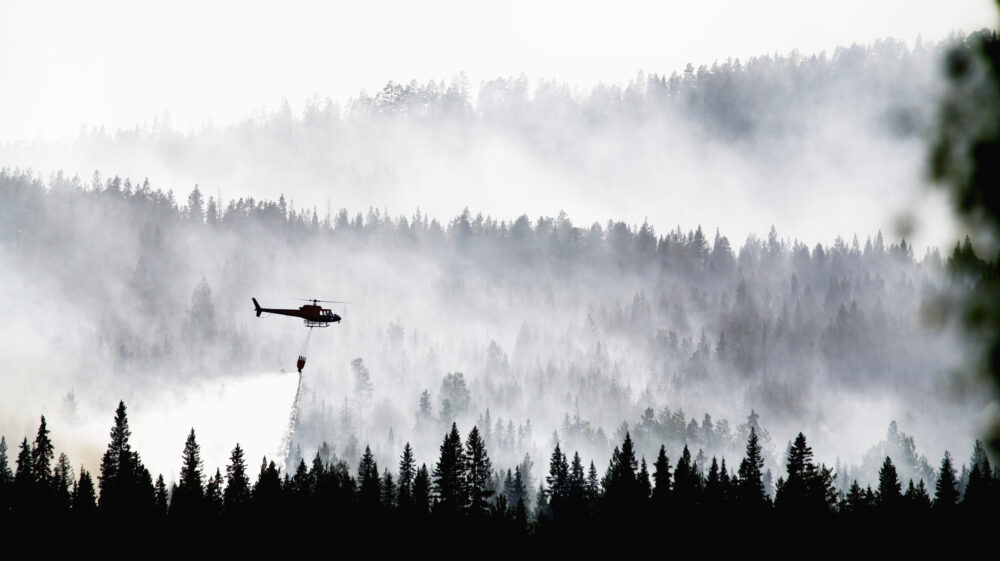
Climate change may lead to increased frequency and intensity of extreme natural events such as storms, floods, fires and heat waves. Despite major advances in climate model projections, climate impact studies, climate services and adaptation research related to the occurrence of natural hazards, use of this knowledge in societal planning is still limited.
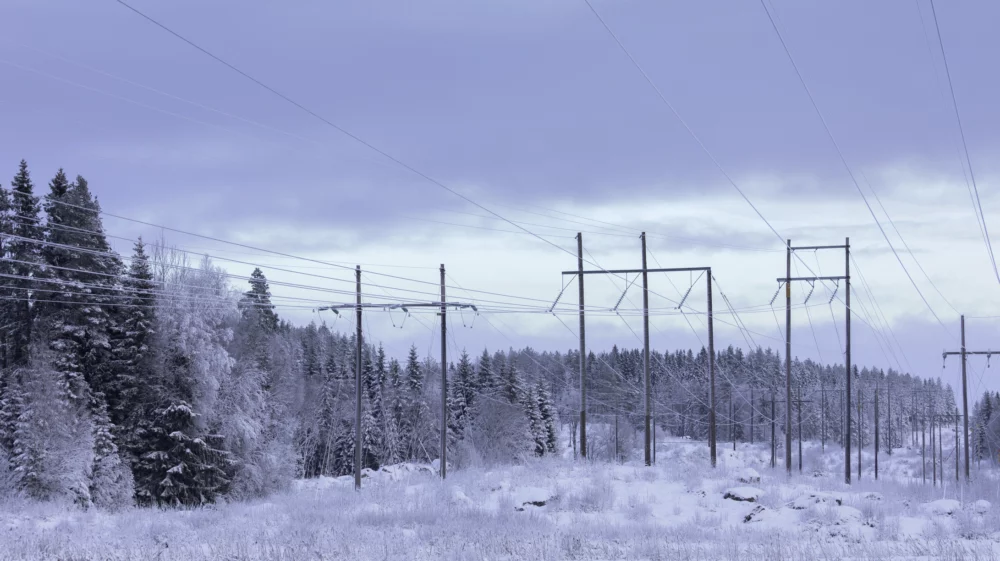
Photo: “Storm” by erik forsberg, CC BY-NC 2.0
The aim of HazardSupport was to develop a new method for decision-makers and climate experts to tailor information about the impacts of climate change on natural hazards for adaptation decisions in the Swedish context. The project had three overarching goals:
The project focused on three different natural hazards in three case studies: urban/riverine/lake flooding in Karlstad, heat waves in Stockholm, and storm surge induced coastal flooding on the Swedish west coast.
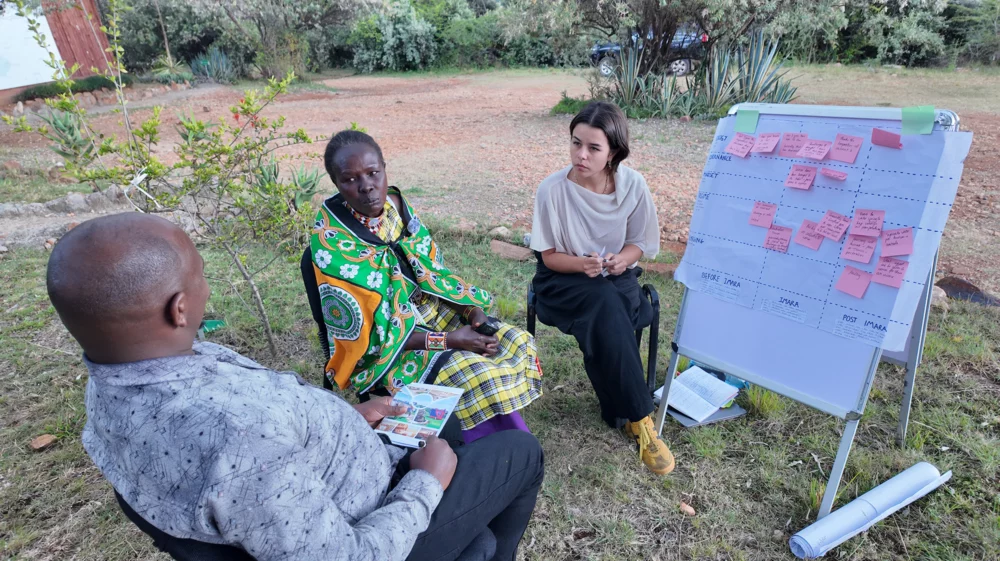
By employing participatory methods and identifying user needs and decision-making contexts, the project helped climate scientists in developing more usable and actionable climate information for adaptation in the face of natural hazards. The project also sought to understand drivers and barriers for using climate information and how existing decision-making processes can be supported.
Find articles, briefs, and the final project report under the publications tab.
The project was a collaboration between the Swedish Meteorological and Hydrological Institute (SMHI) and (SEI) and ran between September 2015 and December 2020. The project was funded by Swedish Civil Contingencies Agency (MSB).
Team Leader: Cities, Communities and Consumption; Senior Research Fellow
SEI Headquarters
Journal article / New research explores constraints faced by climate service producers in delivering actionable information for climate adaptation.
Press release / Berget AI releases an open-source method for calculating carbon emissions of every individual AI request, developed with SEI, WattTime and Klimatkollen.
Journal article / Using a simulated Swedish food supply network, this research explores how agricultural losses caused by drought affect food distribution and consumer demand.