The project combines design, data-driven production management and environmental impact assessment by creating an innovative information platform, developing an auditing and certification system, and supporting collaboration between brands and manufacturers.
The broader goal of the project is to strengthen collaboration between the research and business sectors, promote innovation, and provide practical solutions that help the textile industry become more environmentally friendly, transparent, and resource-efficient, while also meeting the European Union’s new regulatory requirements, including expectations for digital product passports. Additionally, the project contributes to the growth of Estonia’s research and development capabilities and the international adoption of the UPMADE system.
SEI Tallinn is responsible for assessing the environmental impact, developing data models, and contributing to the creation of audit criteria and systems. The team also supports the development of the training concept and gathers user feedback to improve the digital solution.
The project is funded by the Estonian Research Council under the Thematic Research and Development Programs (TemTA), with support from the European Union Cohesion and Internal Security Policy Funds.

Head of Unit, Senior Expert (Green and Circular Economic Transformations Unit)
SEI Tallinn
Feature / SEI Tallinn and partners are transferring value-added upcycling method UPMADE to support the deployment of circular solutions in textile production.
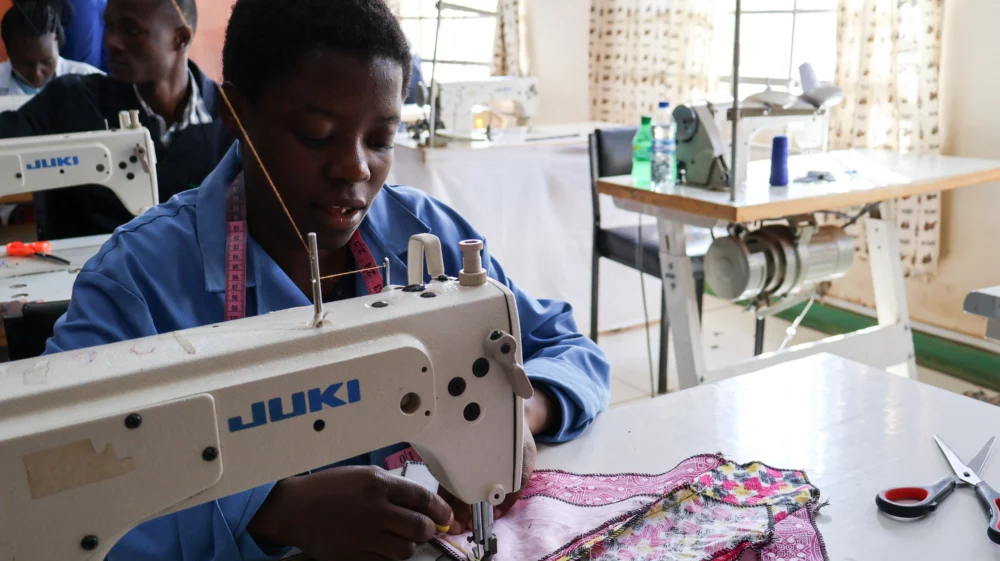
Project / The main objective of the project is to implement a value-added upcycling strategy within the Kenyan garment and textile industry.
Feature / What happens to old clothes and textiles in the Baltics? Are they recycled? Do they end up in the landfill or in the incinerator? Watch the video to learn more.