The WetSAT-ML project (Wetlands flooding extent and trends using SATellite observations and Machine Learning) addresses the urgent need for improved monitoring tools to support wetland conservation efforts. Wetlands are vital ecosystems that support biodiversity, water regulation, and climate resilience. However, monitoring their hydrological dynamics remains a significant challenge due to the lack of timely and actionable data, particularly for vegetated and intermittently flooded areas.
Building on SEI-Latin America’s prior experience and partnerships, WetSAT-ML aims to develop an open-source, machine learning-based tool that uses radar satellite data from the Sentinel-1 mission to map wetland inundation and generate time series on flood extent, water permanence, and hydrological trends. It is designed to overcome the limitations of traditional optical remote sensing by using radar signals, which can penetrate cloud cover and vegetation canopies.
The project focuses on algorithm development, validation in real-world wetland environments, and stakeholder engagement, with a clear roadmap for documentation, dissemination, and scaling. Collaborations with external institutions in Colombia, Peru, the United States, and Thailand provide reference datasets and use cases for testing the tool across diverse wetland types.
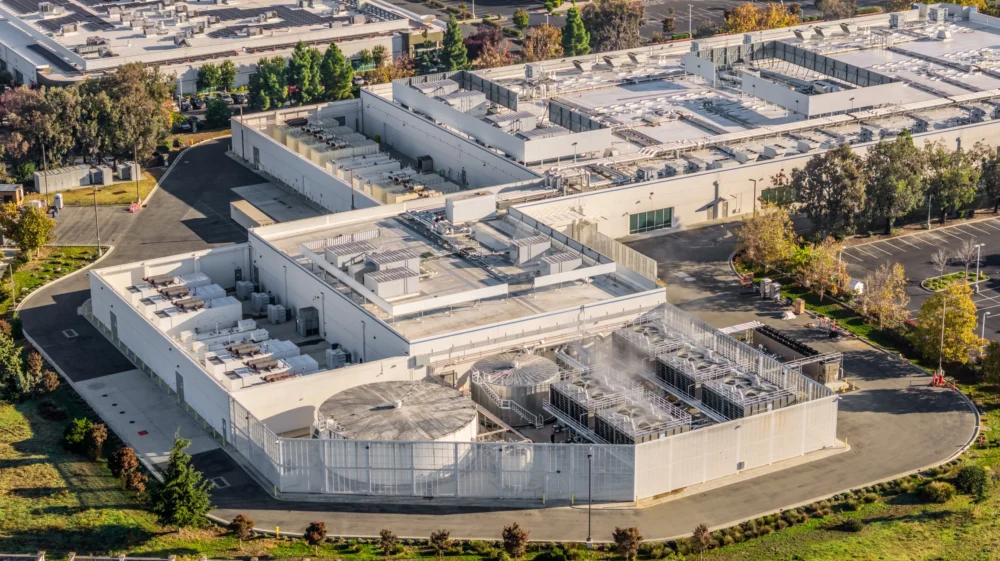
Project / This project uses geospatial analysis and public engagement to determine how data centre siting in California affects vulnerable communities' water security.
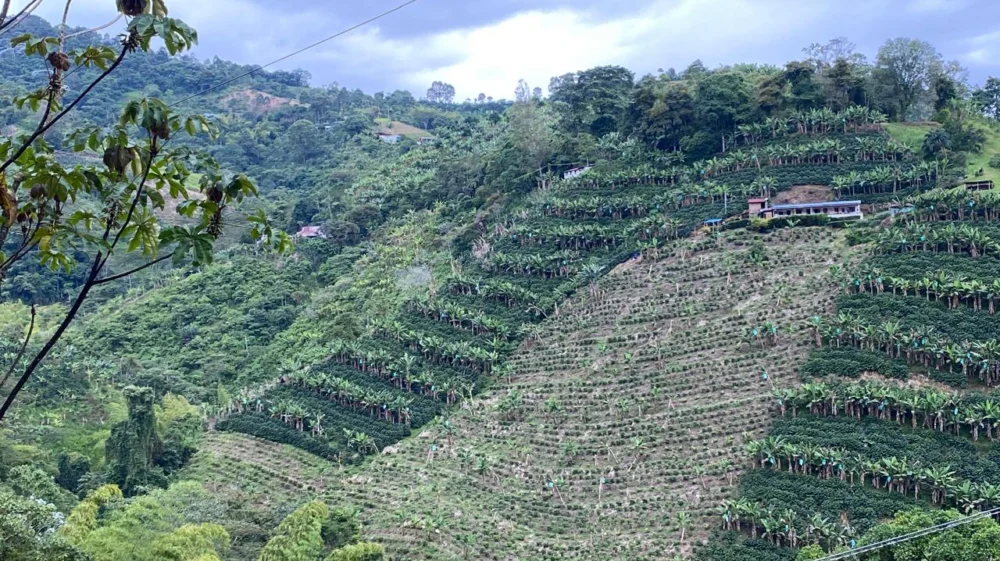
Feature / Coffee grower José María González Salazar is trying to preserve trees and crystal clear water through agroecology and multifunctional landscapes.
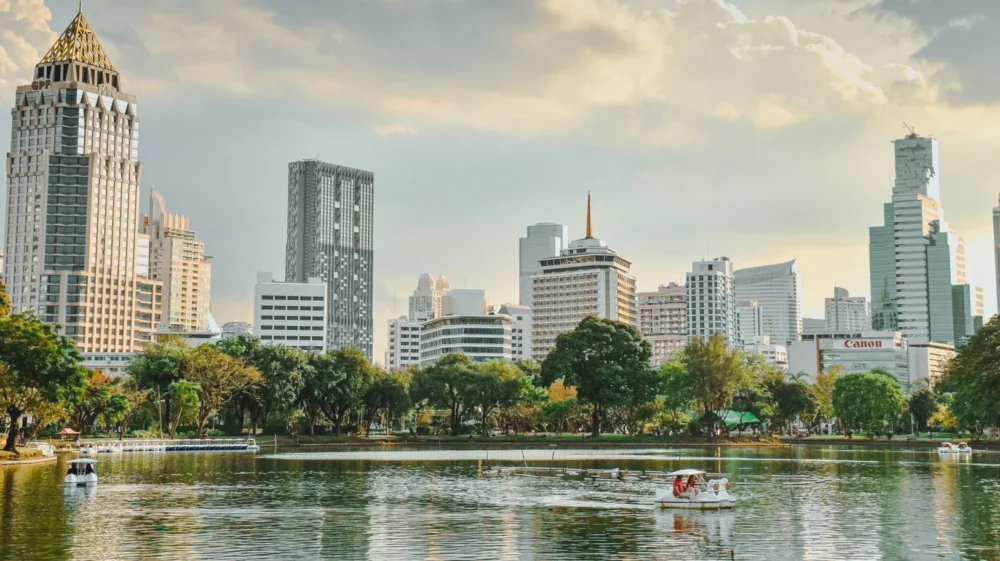
Feature / Key messages from the second Joint Steering Committee (JSC) meeting on water-related collaboration between ONWR and SEI Asia on 20 August 2026